‘This is my place of business’ — cakes and coffee in an age of rage

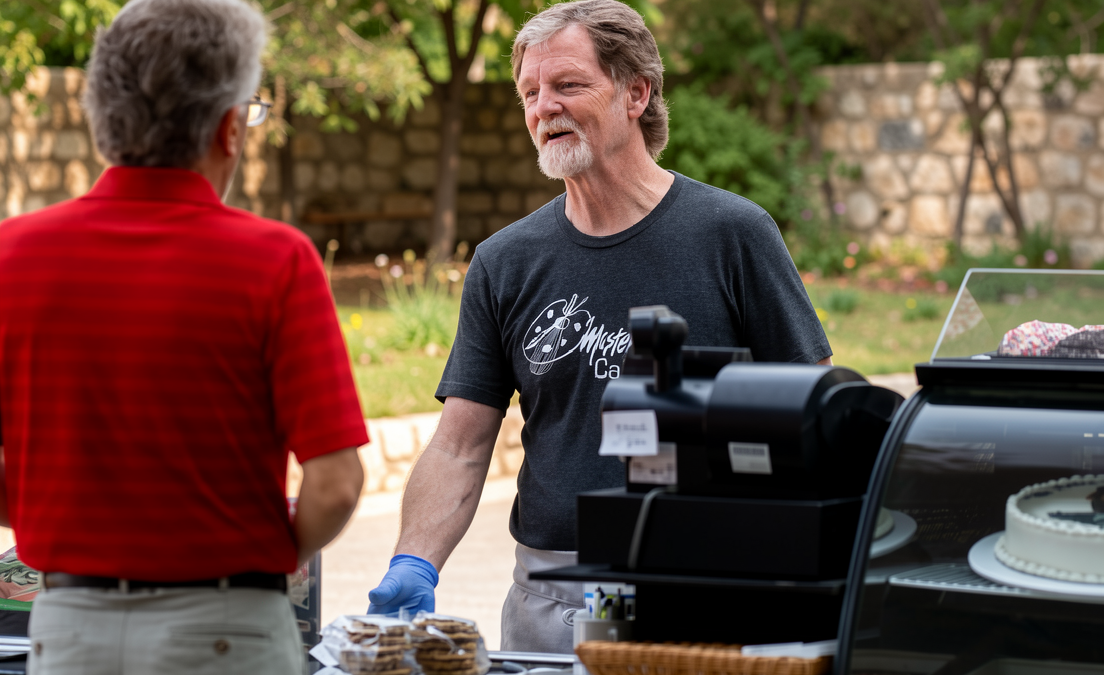
Table of Contents
Coffee, Cakes, and the New Front Lines of Commercial Free Speech
Provpnadvice.com – A small-town coffee shop in eastern Idaho and a hair salon in Alexandria, Virginia, found themselves at the center of the same national debate within the span of a single week: whether a private business owner may turn away a customer simply because that customer holds a political or religious position the owner finds objectionable. The answers, it turns out, depend on which side of the counter you sit on and which state’s statutes happen to apply.
The Driggs Incident
Jim Sheehan, who operates Wydaho Roasters in Driggs, Idaho, made headlines after ejecting a group of teenagers who had come into the shop to promote a pro-life cause. In the confrontation, Sheehan likened the young activists to a Ku Klux Klan gathering held inside his establishment — a comparison that drew swift and widespread condemnation and ultimately prompted an apology from the owner.
Sheehan’s justification was blunt and personal. He explained that he and his wife had spent considerable effort getting ballot measures passed in Idaho to secure women’s right to choose, and that they would not use their own business as a platform for the opposite position.
“This is my place of business. I did a lot of work to get people on the ballot so women would have the right to choose in the state of Idaho, and this is something I do not support, nor does my wife, and it’s our business. So we have that choice.”
What distinguishes the Wydaho episode from earlier disputes is the scope of the refusal. Sheehan was not asked to craft a bespoke latte that celebrated abortion rights; he was asked to allow a group to use his existing seating and counter space in the same way any other customer might. The teenagers were not requesting a custom product bearing a political slogan. They were simply present in the shop, advocating a cause. That distinction matters, because it places the incident closer to a blanket political boycott than to a narrow religious objection about expressive content.
The Salon in Alexandria
On the same week, a parallel confrontation unfolded in Virginia. Fatana Karimi, who runs the Karimi Salon in Alexandria, asked a customer to leave after learning the woman was Israeli. Jessica Walton documented the exchange, and a video of the encounter subsequently circulated on social media platforms.
In the footage, Karimi states that she had announced on Instagram she would not serve patrons who support Israel. She also notes that she obtained a signed release from Walton before the video was posted.
The legal question in Virginia is sharper than it first appears. The Virginia Human Rights Act prohibits unlawful discrimination in employment on the basis of race, color, religion, ethnic or national origin, sex, pregnancy, childbirth or related medical conditions, age, marital status, sexual orientation, gender identity, disability, or military status. Karimi is expected to argue that her refusal was grounded not in Walton’s religion or national origin but in her political stance toward Israel — a category the statute does not expressly enumerate.
Yet the language Karimi used in the video blurs that distinction considerably:
“Get out of my shop. I can’t provide service to an Israeli. It’s against my political beliefs. You need to leave immediately.”
The phrase “an Israeli” ties the refusal to national identity, while “political beliefs” frames it as ideological. Which characterization governs will determine whether the Virginia act applies at all.
The Legal Backdrop: From Cakes to Code
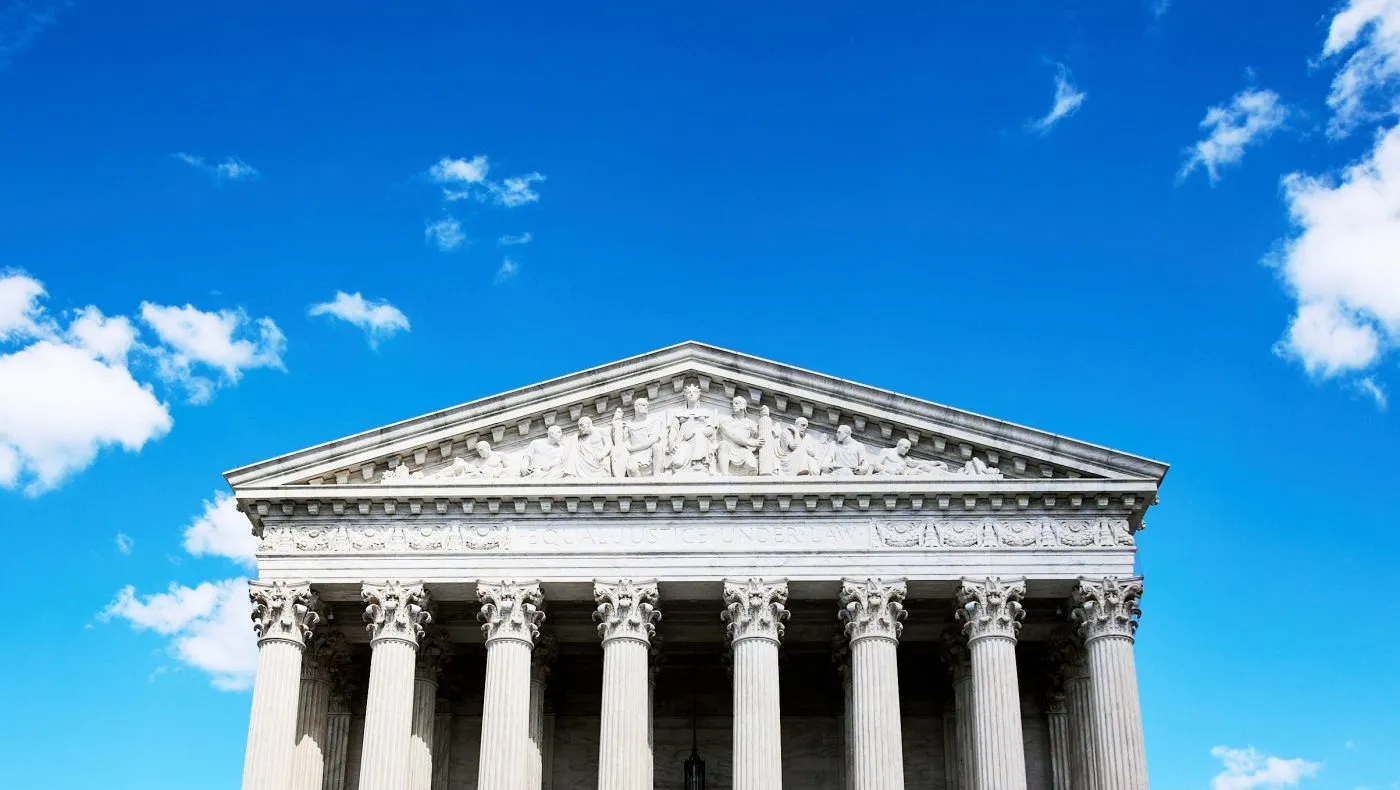
The modern conversation about commercial expression and compelled speech traces its sharpest edges back to Jack Phillips, a Colorado baker who objected to decorating cakes celebrating same-sex marriages on religious grounds. The case, Masterpiece Cakeshop v. Colorado Civil Rights Commission, reached the Supreme Court in 2018. The Court issued a narrow, fact-specific ruling that left the broader constitutional question unresolved — a result many observers found frustratingly incomplete.
For years, commentators had urged that such disputes be analyzed under the Free Speech Clause rather than the religion clauses of the First Amendment. Phillips himself had clarified that he would happily sell a cake to any couple, including a same-sex couple; his objection was limited to designing a cake that specifically celebrated the marriage. That narrowness made the religious-objection framing feel strained to many legal scholars.
The Supreme Court finally addressed the free-speech dimension in 2023 with 303 Creative v. Elenis. The Court held that Lorie Smith, a Christian website designer in Colorado, could decline to design websites for same-sex couples without violating state anti-discrimination law. Writing for the majority, Justice Neil Gorsuch grounded the decision in the original purpose of the First Amendment:
“The framers designed the Free Speech Clause of the First Amendment to protect the ‘freedom to think as you will and to speak as you think.’ … They did so because they saw the freedom of speech ‘both as an end and as a means.'”
The ruling opened the door for service providers to decline work that would compel them to express a message inconsistent with their beliefs. It did not, however, authorize a blanket refusal to serve any customer who happens to hold an opposing political view.
Where the Line Falls
The Wydaho and Karimi episodes test the outer boundary of that principle. Neither owner was asked to author a message; both were asked to extend ordinary, undifferentiated service. The teenagers wanted a table. The salon customer wanted a haircut. No bespoke expression was demanded.
A further parallel draws attention: Harvard Law School professor Alan Dershowitz was turned away from a pierogi stand on Martha’s Vineyard after his political views became known to the vendor. The incident, though less viral, followed the same pattern — a small commercial operator deciding that a customer’s ideology made the transaction intolerable.
The practical consequence for consumers and small-business owners alike is that the boundary between protected political speech, protected religious exercise, and ordinary commercial discrimination remains poorly mapped. State statutes vary. Federal precedent, while clarifying compelled-expression cases, has not spoken directly to the question of whether a shop may simply say “no” to a customer whose politics the owner dislikes. Until legislatures or courts draw that line with precision, every coffee counter and salon chair in America carries a small, unresolved constitutional question beneath its surface.
Related Reading
Frequently Asked Questions
What is This is my place of business?
This is my place of business is the main topic of this guide. The article explains the context, practical details, and next steps readers should understand.
Why does This is my place of business matter?
This is my place of business matters because readers are looking for a useful answer, not just a short summary. Good content should match search intent and help them decide what to do next.