Muslims in public office are not a threat to America. The attacks on them are.

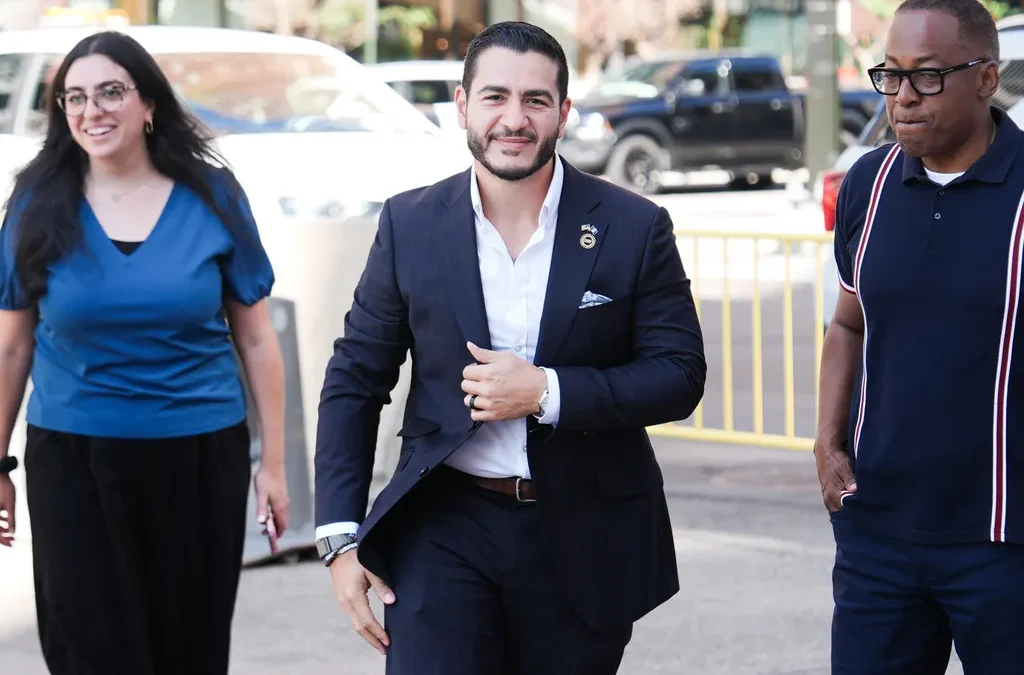
Table of Contents
Muslims in Public Office Are Not a Threat to America
Provpnadvice.com – Muslims in public office are not a threat to American democracy—rather, the political attacks against them are. A growing wave of rhetoric is targeting Muslim Americans, casting their faith as a disqualifying factor for public service. This trend threatens to undermine decades of progress in religious freedom and equal citizenship, as elected officials increasingly treat Muslim identity as a liability rather than a strength in American governance.
Escalating Attacks on Muslim Public Servants
Recent months have seen a sharp increase in inflammatory statements from prominent political figures. Rather than engaging with policy positions or legislative records, these leaders have focused on character attacks rooted in religious identity. The message is clear: Muslims in public office are not being judged on merit, but on their faith.
Sen. Tommy Tuberville (R-Ala.) recently called Michigan Senate candidate Abdul El-Sayed, a Muslim American who received his medical degree from Columbia University and is former public health official, a “terrorist.”
Rep. Nancy Mace (R-S.C.) expanded this narrative even further, declaring that “every single Muslim holding public office in America” represents a national security concern. President Donald Trump echoed similar sentiments, stating that “jihadists” are “being elected all over the place.”
These attacks are particularly troubling because they target individuals based on their names, ethnic backgrounds, and religious practices rather than any documented actions or policy positions. The pattern suggests a deliberate effort to marginalize Muslim voices in American governance.
Historical Parallels in American Politics
America has witnessed this phenomenon before. During the Reconstruction era, African Americans who gained political power were frequently characterized as “dangerous” and “unfit” for self-governance. Japanese Americans faced similar treatment during World War II, when they were branded as “potential saboteurs.” Catholics were once accused of treason and disloyalty to the United States.
While the specific circumstances and outcomes differed across these historical episodes, the underlying tactic remains remarkably consistent. Minority communities are portrayed as Trojan horses within American society, with their civic participation reframed as a potential threat rather than a democratic strength.
This strategy has proven effective in normalizing discrimination. When political leaders successfully repackage prejudice as patriotism, ordinary citizens begin to accept exclusionary attitudes as reasonable and justified. The result is an environment where Islamophobia gains legitimacy from the highest offices in the land.
Constitutional Foundations Under Threat
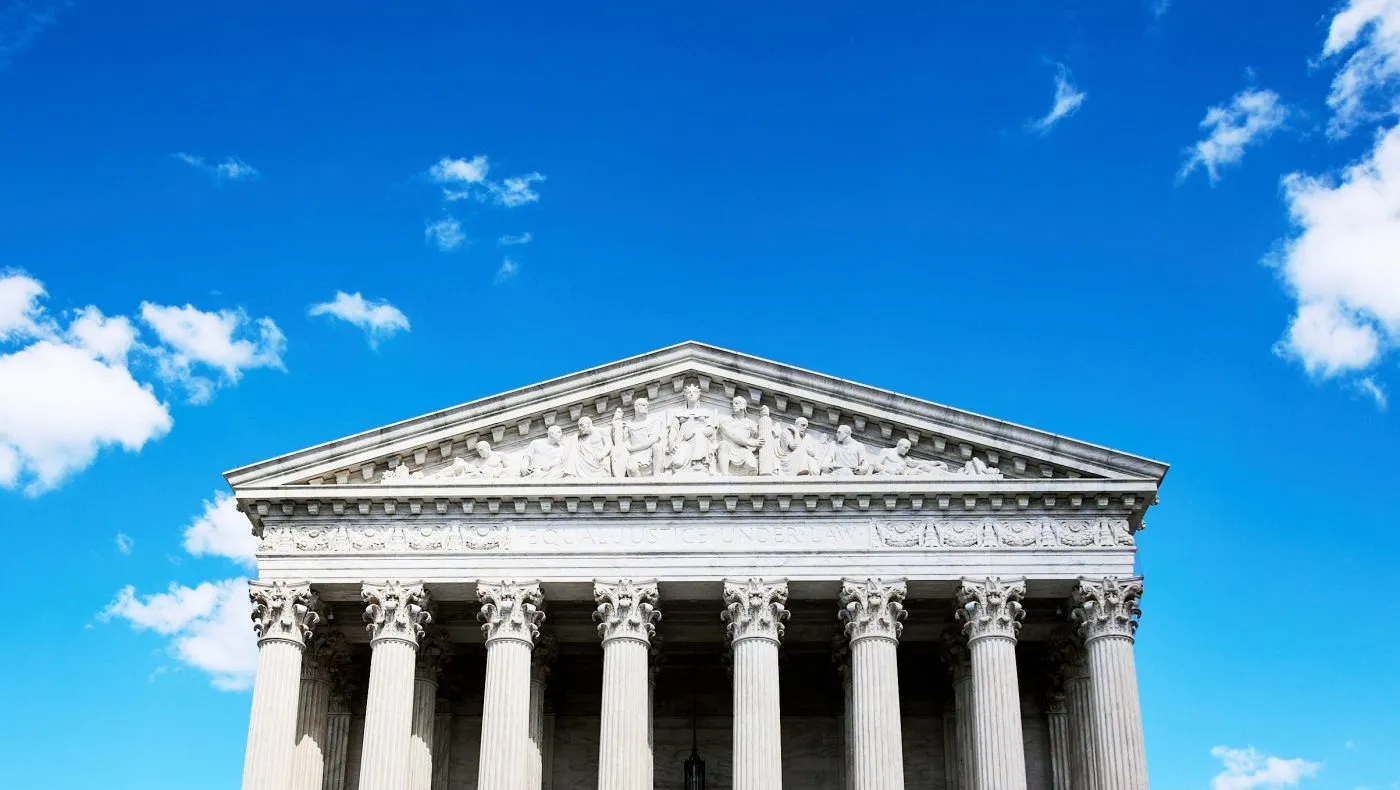
Article VI of the Constitution explicitly prohibits religious tests for public office, while the First Amendment guarantees religious freedom. Neither provision contains faith-based exceptions. Despite these clear protections, the current political climate suggests that religious identity is increasingly being treated as a disqualifying factor.
No American should be required to renounce their religious identity to serve in public office. Muslims in public office are not breaking any constitutional principles—they are exercising their rights by participating in elections, serving on school boards and city councils, and holding positions in state legislatures and Congress.
However, some political figures have demonstrated that they only welcome Muslim participation when it remains politically invisible. The implicit message is straightforward: cast your ballots, but don’t appear on them. Work in government, but don’t exercise meaningful influence. Embrace democracy, but don’t become too successful at practicing it.
Documenting the Rise in Anti-Muslim Discrimination
The Council on American-Islamic Relations, the nation’s largest Muslim civil rights and advocacy organization, continues to track unprecedented levels of anti-Muslim hostility. Their 2026 report documented a record 8,683 anti-Muslim discrimination complaints nationwide during 2025, marking the highest single-year total since tracking began in 1996.
These statistics reflect more than isolated incidents. Hate and discrimination fundamentally shape the daily lives of ordinary people, affecting where they live, how they worship, where they work, and how they send their children to school. The political rhetoric targeting Muslim Americans contributes directly to this hostile environment.
A Call for Civic Engagement and Accountability
Elected officials across the political spectrum must unequivocally condemn anti-Muslim rhetoric, including when it originates from members of their own party. Muslims in public office are not a threat—they are representatives of the diverse communities they serve. Their presence strengthens American democracy by ensuring that governance reflects the full spectrum of American society.
As citizens, we must hold our leaders accountable for the messages they send. We must recognize that attacks on Muslim Americans are not merely about one community—they are about the future of religious freedom and equal citizenship for all Americans. The Constitution does not distinguish between faiths, and neither should our political discourse.
Frequently Asked Questions
How many Muslim Americans currently hold public office?
While exact numbers fluctuate with elections, Muslim Americans serve at local, state, and federal levels across the country. Their representation has grown steadily over the past two decades, with notable figures serving in Congress, state legislatures, and municipal positions.
What does the Constitution say about religious tests for public office?
Article VI, Clause 3 of the U.S. Constitution states that “no religious Test shall ever be required as a Qualification to any Office or public Trust under the United States.” This provision ensures that no citizen can be excluded from public service based on their religious beliefs.
How has anti-Muslim discrimination changed in recent years?
According to CAIR’s 2026 report, anti-Muslim discrimination complaints reached a record 8,683 in 2025, the highest single-year total since tracking began in 1996. This increase coincides with heightened political rhetoric targeting Muslim Americans.
What role do Muslim Americans play in American democracy?
Muslim Americans participate in every aspect of civic life—voting, serving on juries, running for office, and engaging in community organizations. Their contributions span education, healthcare, business, and public service, enriching American society in numerous ways.