Hegseth ignored Centcom, cut program ahead of Iran school strike: Report

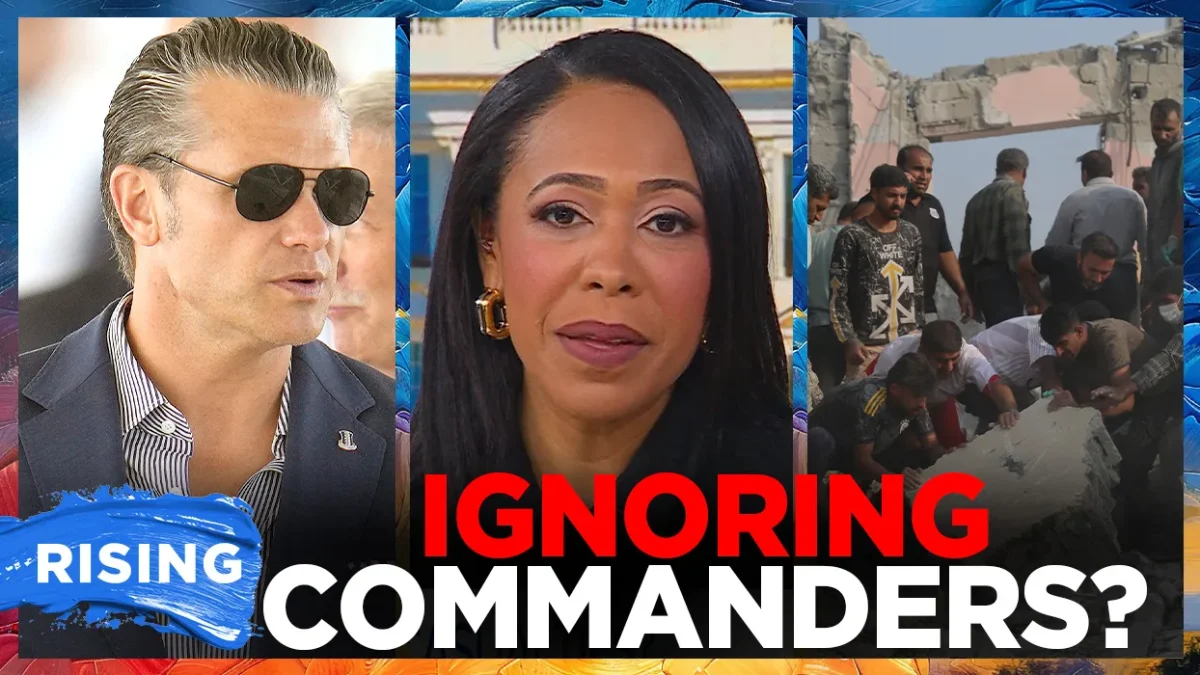
Table of Contents
Provpnadvice.com – When Defense Secretary Pete Hegseth ignored Centcom’s warning to cut the program meant to protect civilians during military operations, he made a decision that would haunt the nation. New reporting from ProPublica details how the secretary polled top military commanders about dismantling the Civilian Harm Mitigation and Response initiative — and then proceeded to gut it anyway, over their unanimous objections.
What the Report Reveals About the Decision
The Civilian Harm Mitigation and Response program was built to sharpen targeting, improve situational awareness on the battlefield, and reduce the likelihood of friendly-fire mistakes. Central Command, which oversees U.S. military operations across much of the Middle East, specifically cautioned that scaling back the effort could increase the risk of misidentifying targets and erode critical awareness among operators.
According to the ProPublica report, Hegseth viewed the civilian-harm mitigation work as part of a culture he considered too politically correct and incompatible with his vision for what he calls the Department of War. Despite the overwhelming preference of senior commanders to keep the program intact, he stripped it of almost all of its funding while the United States was actively launching new campaigns in Somalia, Yemen, and Iran.
The Minab School Strike and Congressional Backlash
The consequences of that decision became painfully visible early in the Iran conflict. A U.S. airstrike struck a school in Minab, a city near the Strait of Hormuz, killing more than 100 children and triggering a firestorm of national and international outrage. Hegseth was questioned about the strike before Congress and pledged to investigate. No public reports of that investigation have been released, though it has been reported that the department blamed the incident on outdated U.S. intelligence.
Members of Congress are now asking whether the decision to dismantle civilian-protection capabilities played a role in the Minab tragedy. In April of this year, eleven senators sent a letter to Hegseth stating, in part:
“The school strike, as well as other deadly attacks on civilians in Iran, reflected the administration’s broader disregard for the strategic, legal, and moral imperative to minimize civilian harm. This is a concerning pattern and raises questions about whether the administration is upholding international law and the laws of war.”
With the new ProPublica reporting in hand, that question deserves a full answer. Real leadership is not about being the loudest voice in the room. It is about knowing when to listen to the people who have spent their careers understanding the consequences of getting something wrong — especially when the stakes are human lives.
Frequently Asked Questions
What was the Civilian Harm Mitigation and Response program? It was a Department of Defense initiative designed to improve targeting accuracy, enhance battlefield situational awareness, and reduce civilian casualties during U.S. military operations.
Why did Hegseth cut the program despite commander objections? According to the ProPublica report, Hegseth considered the program part of a culture he viewed as overly politically correct and misaligned with his vision for the department. He proceeded to eliminate nearly all of its funding over the unanimous preference of senior commanders to retain it.
What role did Central Command play in the dispute? Central Command, which oversees operations across much of the Middle East, explicitly warned that scaling back the program could increase the risk of target misidentification and reduce operational awareness. Hegseth ignored that warning and moved forward with the cuts.
What happened at the Minab school strike? Early in the Iran conflict, a U.S. airstrike hit a school in Minab near the Strait of Hormuz, killing more than 100 children. The department later attributed the incident to outdated intelligence, though no formal investigation report has been made public.