White House eyes reopening oil refineries amid high gasoline prices

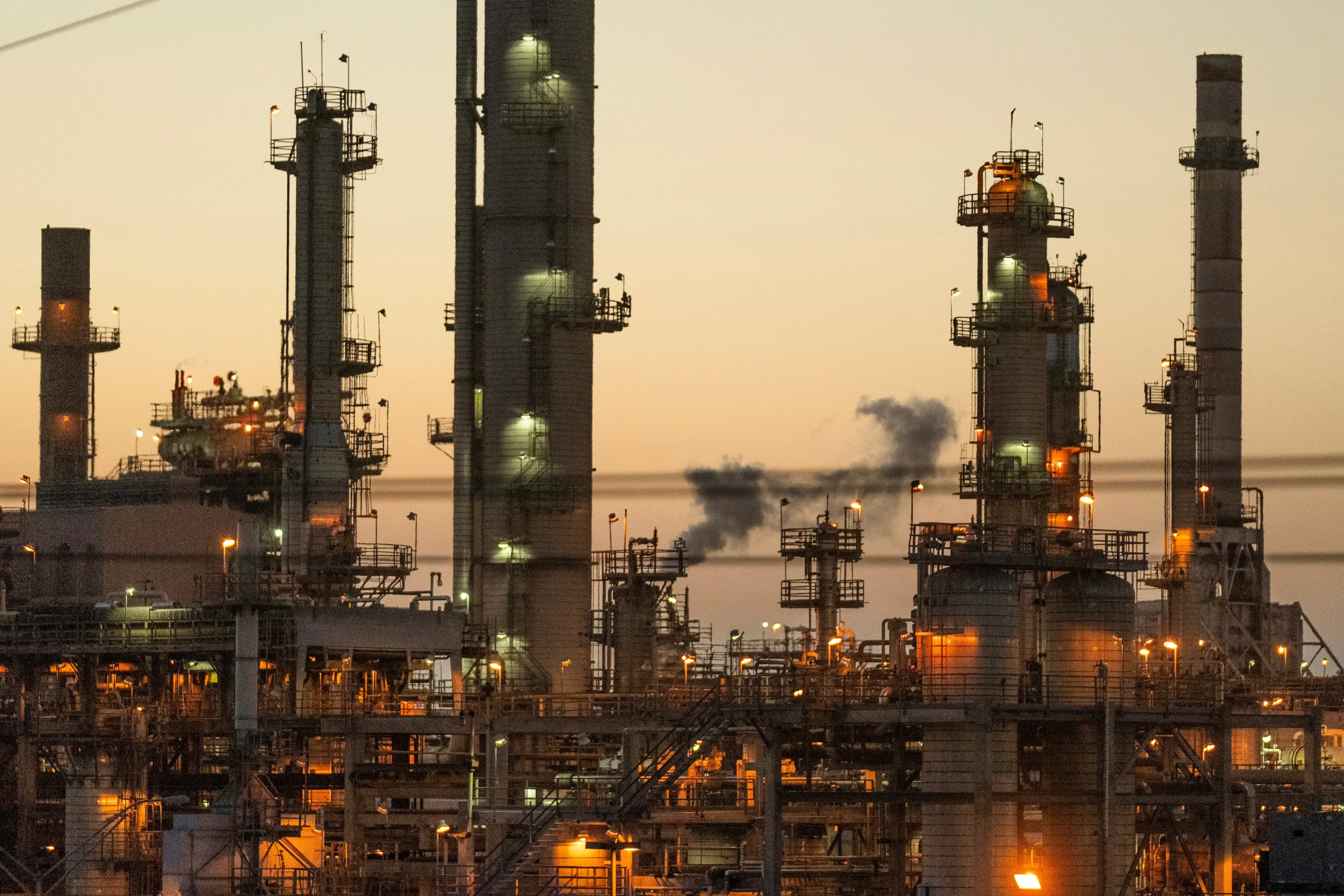
Table of Contents
Administration Pursues Refinery Revival as Fuel Costs Climb
Provpnadvice.com – With gasoline costs climbing due to ongoing tensions in the Middle East, the Trump administration is actively exploring options to bring dormant oil refineries back into operation. Among the facilities under consideration is a controversial plant located in the U.S. Virgin Islands that has faced significant challenges since its closure.
Strategic Interest in St. Croix Facility
A senior White House representative confirmed to reporters on Thursday that federal officials are eager to see multiple refineries resume operations nationwide, with particular emphasis on the St. Croix location. According to the official, this specific plant holds special significance for two primary reasons: it was originally designed to process crude oil from Venezuela, and its geographic positioning offers considerable strategic advantages for energy distribution.
Since April of 2025, various energy companies have reached out to federal authorities expressing enthusiasm about potentially acquiring the refinery. This wave of interest intensified considerably following the capture of Venezuelan President Nicolás Maduro and the subsequent American assumption of control over that nation’s critical infrastructure assets.
Broader Reopening Initiative
Initial reports of this refinery revival effort emerged through Politico, which featured insights from three industry leaders. These executives revealed that White House conversations have covered potential reopenings spanning from the Caribbean to the West Coast, indicating a comprehensive approach to restoring domestic refining capacity.
Taylor Rogers, a spokesperson for the White House, emphasized the connection between energy infrastructure and national strength.
“Energy security is national security, and America’s refining capacity is essential to ensuring the United States has continuous access to secure, affordable, and reliable energy,”
Rogers stated in an official declaration.
The spokesperson further noted that the President’s National Energy Dominance Council would maintain its commitment to facilitating both the restart of closed facilities and the development of new refineries. This dual strategy aims to reduce consumer costs while simultaneously bolstering the nation’s security posture.
Market Conditions and Historical Context
The current push to restore refinery operations arrives at a critical moment for American consumers. Gasoline prices have remained elevated throughout the conflict with Iran. By Thursday, the national average for fuel stood at approximately $4.10 per gallon according to AAA data. This represents an increase of more than one dollar compared to prices at the onset of hostilities earlier in the year.
The St. Croix refinery in question had ceased operations indefinitely in 2021. This decision followed directives from the Environmental Protection Agency, which mandated a sixty-day shutdown period. Federal regulators determined that the facility’s oil releases and air pollution levels presented what they described as an “imminent risk to public health.” The plant’s history of environmental concerns has made its potential reopening a subject of ongoing debate among stakeholders.
The Refining Process and Price Dynamics
Understanding the importance of these facilities requires examining how crude oil transforms into the gasoline that powers American vehicles. Refineries serve as the crucial intermediate step in this process, converting raw petroleum into usable fuel products. While the global price of crude oil typically represents the most significant variable affecting consumer gasoline costs, the operational status of domestic refineries also plays a meaningful role in determining final pump prices.
When refineries operate at full capacity, they can help stabilize fuel costs even when international oil prices fluctuate. Conversely, closures or reduced operations can exacerbate price volatility, particularly during periods of geopolitical instability or supply disruptions. The current administration’s focus on reopening shuttered plants reflects an understanding that domestic refining capability remains a vital component of energy independence and economic stability.
The timing of this initiative also coincides with broader shifts in global energy markets. The American takeover of Venezuelan infrastructure has created new opportunities for utilizing facilities designed to process that nation’s heavy crude. Industry analysts suggest that bringing these specialized refineries back online could help diversify supply sources and reduce dependence on foreign oil imports during a period of heightened international tensions.
As discussions continue between federal officials and private sector representatives, the outcome of these efforts could significantly impact both consumer fuel costs and the nation’s long-term energy security strategy. The combination of high gas prices, geopolitical uncertainty, and available domestic infrastructure has created a compelling case for accelerated action on refinery reopenings.
Related Reading
Frequently Asked Questions
What is White House eyes reopening oil refineries?
White House eyes reopening oil refineries is the main topic of this guide. The article explains the context, practical details, and next steps readers should understand.
Why does White House eyes reopening oil refineries matter?
White House eyes reopening oil refineries matters because readers are looking for a useful answer, not just a short summary. Good content should match search intent and help them decide what to do next.