Federal judge delays a mifepristone lawsuit until after midterms

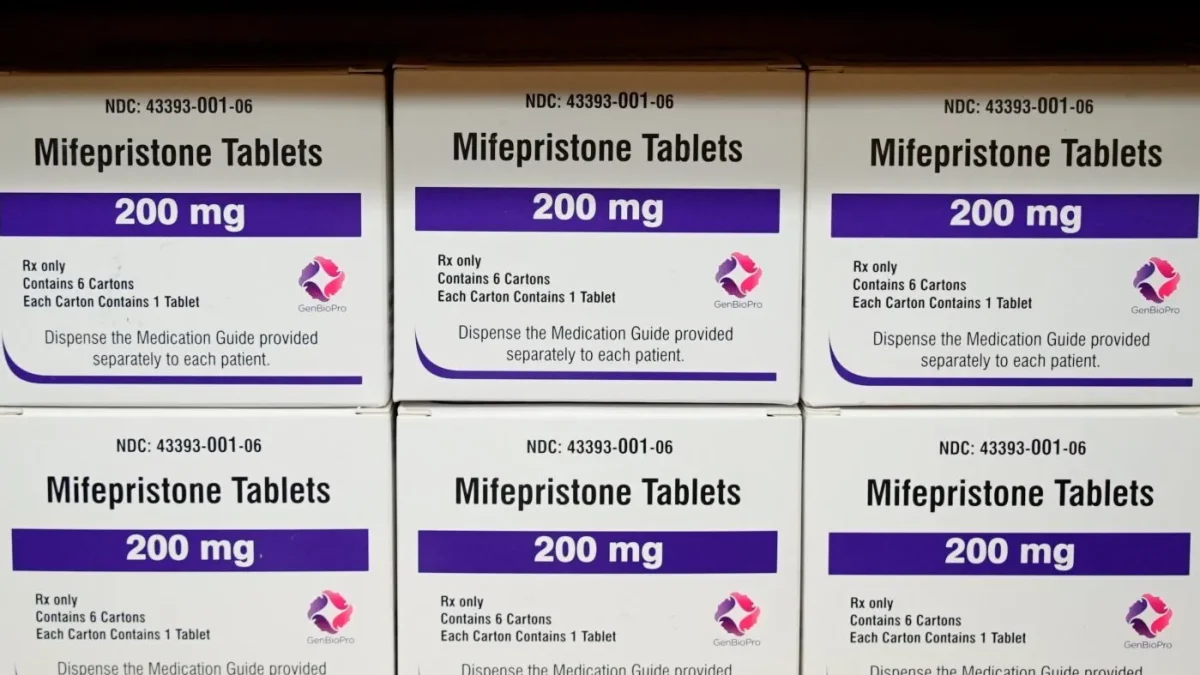
Table of Contents
Mifepristone Approval Faces Prolonged Legal Limbo as Judge Orders Post-Midterm Pause
Provpnadvice.com – The fight over whether Americans can continue accessing the most widely used medication for ending a pregnancy has entered a holding pattern. On Sunday, a federal judge in Texas granted a request from the Department of Justice to suspend a high-stakes lawsuit that would strip the Food and Drug Administration of its authority over mifepristone, the drug at the center of medication abortion, until after the November midterm elections. The stay pushes the next major procedural milestone to no earlier than December 1, or to the conclusion of the FDA’s ongoing retrospective safety review of the drug, whichever comes first.
The decision came from Judge Reed O’Connor of the U.S. District Court for the Northern District of Texas, a jurist appointed by former President George W. Bush. The case was brought by the attorneys general of Texas and Florida, who are asking the court to void the FDA’s original 2000 approval of mifepristone entirely. Their legal theory contends that the agency failed to conduct an adequate evaluation of the drug’s safety profile and therapeutic effectiveness when it first cleared the medication for use. The complaint also leans on the federal Comstock Act, a 1873 anti-obscenity statute that has lain largely dormant for over a century but which conservative legal advocates have sought to revive as a vehicle for blocking mail-order distribution of abortion pills and related medical instruments.
Should the court ultimately side with the two states, the practical consequence would be a nationwide contraction in access to mifepristone, since the drug’s federal approval would be unwound rather than merely regulated. For now, however, the stay means that the patchwork of state-by-state access rules currently in effect will remain undisturbed.
Generic Manufacturers Fight to Stay in the Case
In the same opinion, O’Connor turned down a motion filed by GenBioPro, a manufacturer of generic mifepristone, and Danco Labs, its distributor, which had asked the court to dismiss the case outright. GenBioPro’s chief executive, Evan Masingill, responded with a statement emphasizing the company’s confidence in the product’s regulatory standing.
“We expect the FDA’s review of mifepristone to not contradict the decision they made in 2023 that reaffirmed our product is safe and effective,” Masingill said. “GenBioPro will continue to use all legal and regulatory tools available to ensure Americans’ access to reproductive care.”
The generic version of mifepristone did not exist before 2016, when the FDA approved a lower-cost alternative to the branded formulation. Its availability has been a significant factor in keeping medication abortion within reach for patients who might otherwise face prohibitive costs.
Three Suits, Three Different Theories
The Texas-Florida action is one of three federal lawsuits currently pending that would alter how Americans obtain mifepristone. It is the only one that seeks to invalidate the drug’s approval outright. The other two target specific regulatory conditions rather than the approval itself.
The U.S. Court of Appeals for the Fifth Circuit is scheduled to hear oral arguments on September 9 in a case brought by Louisiana challenging an FDA rule that permits mifepristone to be prescribed via telehealth visits, dispensed at pharmacies, and shipped through the mail. A third suit, filed in the Eastern District of Missouri by the attorneys general of Missouri, Kansas, and Idaho, asks the court to restore the pre-2016 restrictions on the drug’s use.
Before 2016, mifepristone was approved only for pregnancies up to seven weeks’ gestation and required three separate in-person office visits. No generic version existed at that time. Those constraints were relaxed in stages over the following years as the FDA gathered additional safety data and concluded that the drug could be safely administered under less intensive supervision.
A Drug With Two Decades of Use
More than 7.5 million people in the United States have used mifepristone for medication abortion or miscarriage management since the FDA first approved it over two decades ago. The agency has repeatedly concluded that the drug is safe and that a regimen combining mifepristone with a second medication, misoprostol, constitutes a safe and effective alternative to surgical abortion.
Medication abortion is now the most common method of pregnancy termination in the country. Mail-order pharmacies, working alongside so-called “shield laws” enacted in blue states to protect clinicians from out-of-state prosecution, have helped sustain access even as a growing number of conservative states have banned or sharply curtailed clinic-based abortion services. As a result, overall abortion counts have risen even though the constitutional right recognized in Roe v. Wade no longer exists.
Political Pressure and the Ongoing Safety Review
Despite the agency’s repeated safety findings, the FDA has been conducting a retrospective safety review of mifepristone under sustained pressure from anti-abortion lawmakers and advocacy groups. An administration official told reporters in June that the full data analysis is likely to require roughly six months to complete, though preliminary results could be released sooner.
The current administration inherited the Biden-era regulatory framework that, in 2023, permanently eliminated the requirement that mifepristone be dispensed in person. Those rules remain in force, a posture that keeps the issue out of the immediate political spotlight while simultaneously provoking frustration among anti-abortion legislators and advocates who view the continued availability of mail-order medication abortion as an overreach of federal authority.
The net effect of the stay is to buy time. For patients, clinicians, and manufacturers, the next several months will be defined not by a courtroom verdict but by the pace of an FDA data review and the political arithmetic of a post-midterm Congress.
Related Reading
Frequently Asked Questions
What is Federal judge delays a mifepristone lawsuit?
Federal judge delays a mifepristone lawsuit is the main topic of this guide. The article explains the context, practical details, and next steps readers should understand.
Why does Federal judge delays a mifepristone lawsuit matter?
Federal judge delays a mifepristone lawsuit matters because readers are looking for a useful answer, not just a short summary. Good content should match search intent and help them decide what to do next.