Bessent on trade war with Canada: Carney ‘chose to walk away’ from a deal

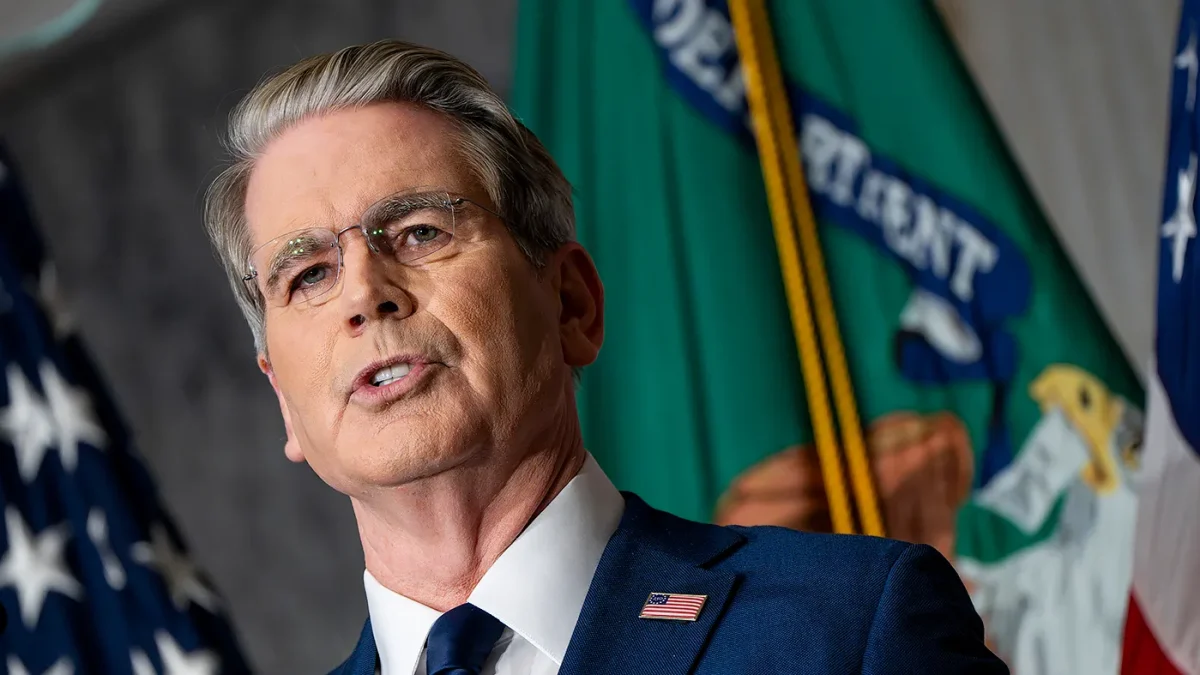
Table of Contents
U.S. Treasury Chief Blasts Canadian PM for Scrapping Trade Agreement as Tariff War Intensifies
Provpnadvice.com – The trans-Pacific trade relationship between Washington and Ottawa has entered its most volatile chapter in years, with Treasury Secretary Scott Bessent publicly accusing Prime Minister Mark Carney of deliberately abandoning a negotiated trade framework at the eleventh hour. Speaking on CNBC’s “Squawk on the Street” program on Monday, Bessent framed the breakdown not as a policy disagreement but as a calculated political maneuver by Carney, one that he argued prioritizes domestic party survival over the economic welfare of ordinary Canadians.
“And then he started this. And it’s unfortunate that he’s not doing what’s best for the Canadian people. He’s doing best, what is best for the Liberal Party, what’s best for Mark Carney. And in the long run, the other Canadian people are going to see through that.”
The Treasury secretary went further, asserting that Canada had been presented with what he described as the most favorable bilateral trade arrangement extended to any nation on Earth. In his telling, Carney rejected that offer at the final moment, setting in motion the cascade of retaliatory tariffs that now define the August trade standoff.
The Escalation Timeline
Throughout the second half of August, both governments moved to impose significant tariff measures on each other’s imports, transforming what had been a relatively stable trading corridor into a contested economic front. The United States and Canada, neighbors sharing the longest international land border in the world and historically among each other’s largest trading partners, found themselves locked in a tit-for-tat exchange of duties that has rattled supply chains on both sides of the 49th parallel.
President Donald Trump amplified the confrontation on Sunday with a post on Truth Social in which he declared that American firms should no longer be importing Canadian products. He credited his tariff regime with having “revived, and indeed saved” the domestic automobile sector, pointing to reported profit gains at Ford, General Motors, and other U.S. auto manufacturers during his second term as evidence that the policy is delivering tangible industrial results.
“They’ve been ripping us off for decades, and it’s going to stop. This should have happened long ago with other Presidents, just as stopping Iran should have happened long ago.”
Trump also labeled Canada “one of the worst abusers” in international commerce, a characterization that followed the activation of 50 percent import duties on roughly $27.6 billion worth of Canadian goods earlier in the month. That figure represents a substantial slice of bilateral merchandise flow and touches sectors ranging from agriculture to heavy industry.
What the Tariffs Actually Cover
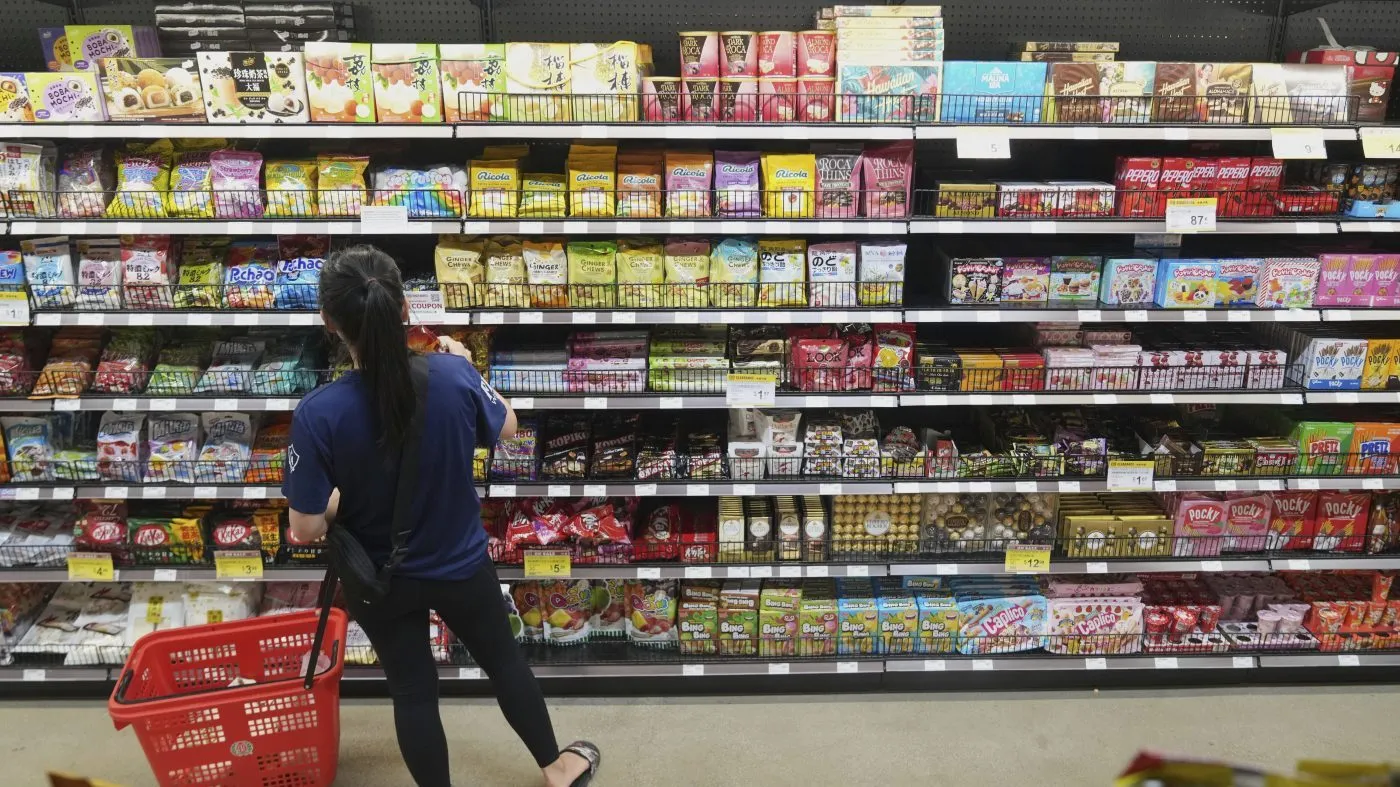
The American duties imposed on Canadian-origin products span an unusually eclectic list of goods. Among the items now subject to the elevated tariff rates are wine, hockey sticks, cement, natural honey, and wallpaper. The breadth of the product list underscores that the measures are not narrowly targeted at a single industrial sector but are designed to apply pressure across multiple categories of Canadian export, from consumer goods to construction materials.
For Canadian producers and exporters, the implications are immediate. Small-batch wineries in British Columbia, maple-syrup and honey operations in Quebec and Ontario, and manufacturers of sporting equipment face either a sudden collapse in their U.S. market or the need to absorb the cost differential, squeezing margins that many of these firms operate on at razor-thin levels.
Bessent Dismisses the Dispute as Political Theater
While the tariff numbers dominate headlines, Bessent sought to reframe the entire episode as a domestic political stunt rather than a genuine trade-policy disagreement. On the same CNBC appearance, he mocked the idea that two neighboring democracies could be said to be in a state of conflict, invoking an image of Canadian submarines being dispatched from a shopping mall in Edmonton.
“I think this is very unfortunate that Prime Minister Carney has turned this into the — a political shouting match. I mean, we’re not at war with Canada. How are we going to be at war with Canada? They’re going to take their two submarines from the Edmonton mall and sic them on us?”
The remark was pointed at Carney’s public posture, which has emphasized national sovereignty and pushed back against what Ottawa frames as unilateral American economic coercion. By characterizing the Canadian response as a “shouting match,” Bessent positioned the U.S. administration as the rational party offering a deal, while casting Carney as a leader who preferred electoral optics to economic pragmatism.
Broader Context and Reader Implications
The U.S.-Canada trade relationship carries weight far beyond the two nations. Canada is consistently among the top three trading partners for the United States, and the two economies are deeply integrated through North American supply chains, particularly in automotive manufacturing, energy, and agricultural processing. A prolonged tariff standoff therefore carries spillover effects for third-country suppliers, logistics operators, and consumers on both sides who face higher prices for everyday goods.
For Canadian voters, the dispute lands amid a period of domestic political uncertainty. Carney, who assumed the premiership in early 2025, faces the challenge of defending what he presents as a principled stand on national economic sovereignty while managing the short-term pain that tariffs inflict on exporters and import-dependent industries. Bessent’s public framing — that Carney is acting for the Liberal Party rather than for Canadians — is designed to sharpen that domestic dilemma and potentially influence the political calculus in Ottawa.
Whether the two governments can return to a negotiating table, or whether the tariff architecture becomes a more permanent feature of the bilateral relationship, remains the central question heading into the autumn. What is clear from Monday’s remarks is that the U.S. Treasury intends to keep public pressure on Carney high, framing every subsequent Canadian policy choice as either acceptance of the American terms or continued political posturing at the expense of ordinary citizens.
Related Reading
Frequently Asked Questions
What is Bessent on trade war with Canada?
Bessent on trade war with Canada is the main topic of this guide. The article explains the context, practical details, and next steps readers should understand.
Why does Bessent on trade war with Canada matter?
Bessent on trade war with Canada matters because readers are looking for a useful answer, not just a short summary. Good content should match search intent and help them decide what to do next.