Trump to meet with oil refiners amid stubborn gas prices

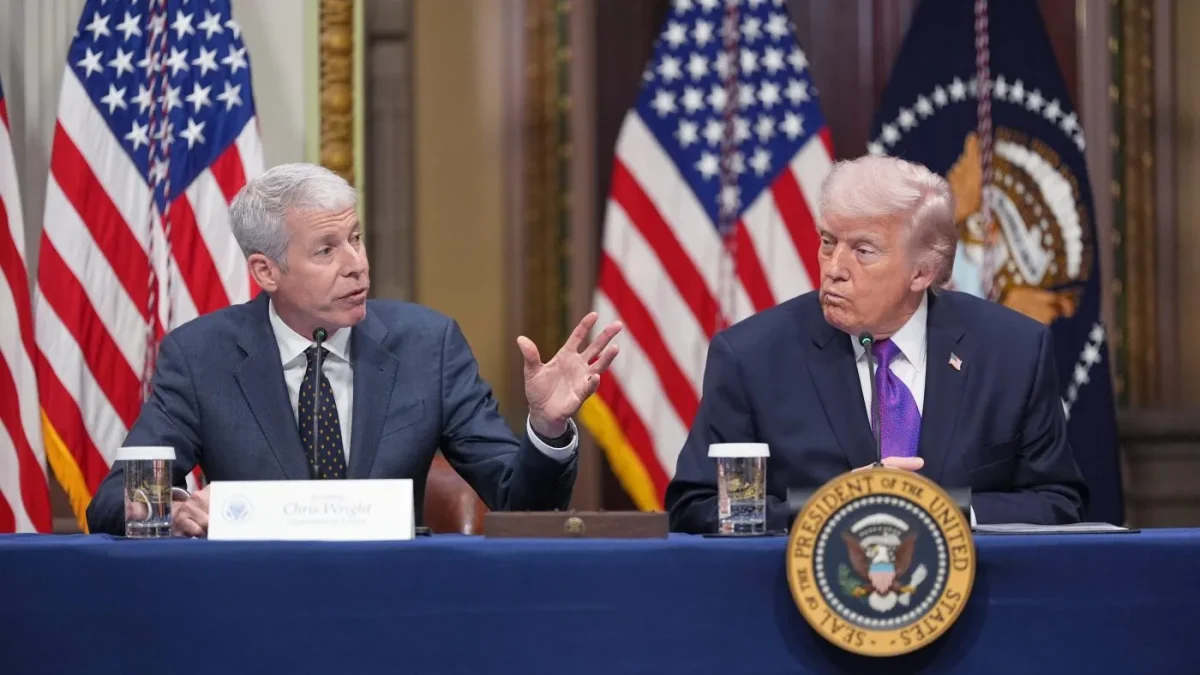
Table of Contents
White House Convenes Refining Sector as Pump Prices Defy Political Pressure
Provpnadvice.com – Average pump prices across the United States sat near $4.08 per gallon on Monday, roughly 90 cents above the level drivers paid at the same point twelve months ago. That gap, tracked by the American Automobile Association, has turned the cost of filling a tank into one of the most politically charged numbers in American life heading into the midterm elections. With voters already feeling the pinch at the checkout lane, the White House moved quickly to signal that it intends to intervene directly in how fuel reaches the consumer.
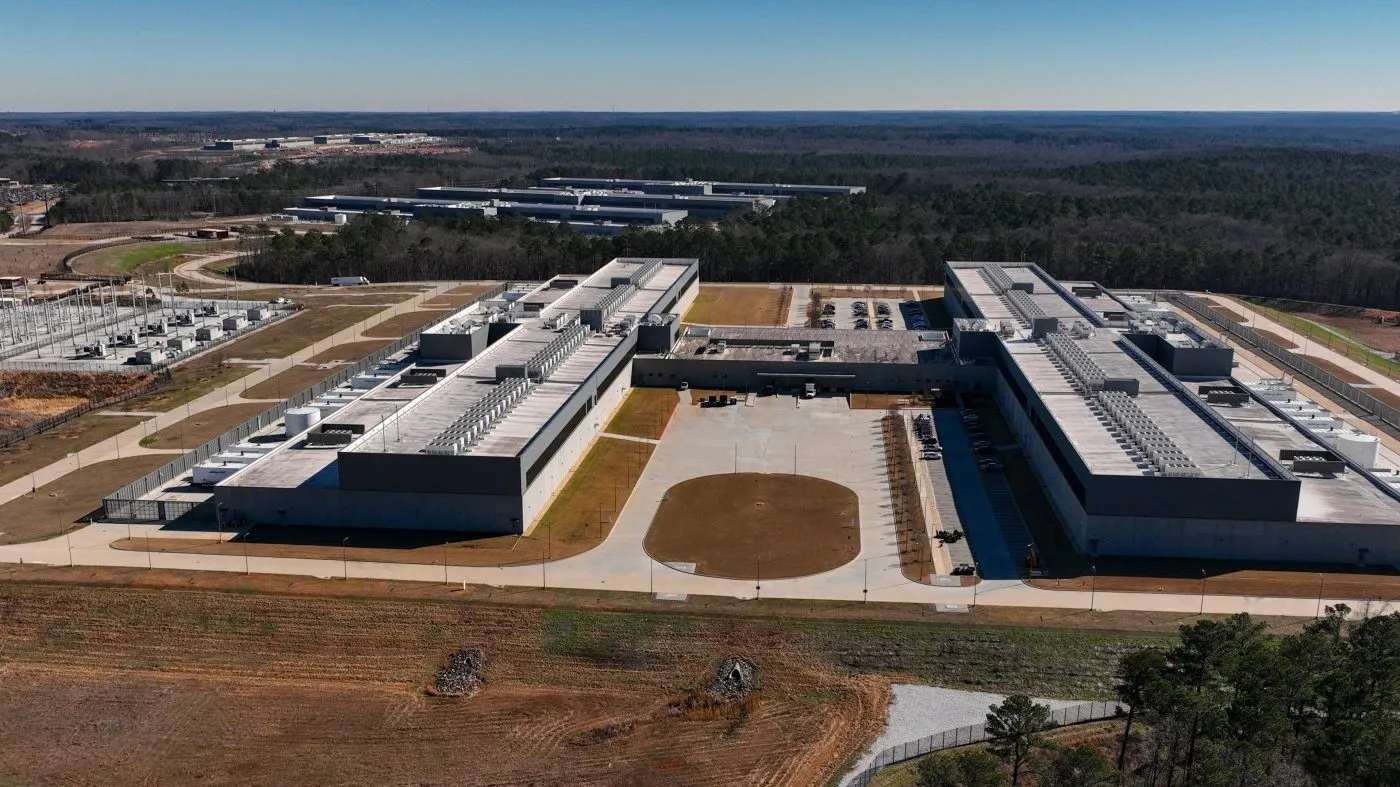
President Donald Trump is set to sit down Tuesday with representatives from fuel refineries of every scale — small, medium, and large — alongside major distributors. The stated objective of the session is straightforward: explore ways to expand domestic refining throughput so that more crude oil can be converted into finished gasoline domestically, thereby easing the price pressure that has persisted since the spring.
Who Is in the Room
The administration has assembled a senior cabinet-level delegation for the discussion. Interior Secretary Doug Burgum, Energy Secretary Chris Wright, and Jarrod Agen, who serves as executive director of the National Energy Dominance Council, are all expected to take part. Their presence underscores that the White House views the refining question not as a routine industry briefing but as a matter of national energy policy with direct electoral consequences.
The administration has not released a full roster of invited participants. What has drawn attention, however, is who was conspicuously left out. ExxonMobil, which ranks as the third-largest refiner in the country, did not receive an invitation. A company spokesperson did not immediately respond to a request for comment. The omission is unlikely to be accidental, given the public friction between the president and the oil major earlier this year.
The Exxon Friction
The tension dates back to remarks made by Exxon’s chief executive earlier in the year, who described Venezuela as currently “uninvestible.” Trump took public issue with that characterization, criticizing the company for what he framed as a failure to embrace a major opportunity in a country where U.S. investment could reshape the global supply picture. The exclusion from Tuesday’s meeting reads as a continuation of that public disagreement, signaling that the administration expects its invited partners to align with its policy direction rather than voice reservations.
Why Prices Stayed High
The sustained elevation in pump prices traces back to the U.S.-Iran conflict that disrupted global energy logistics earlier this year. Shipping lanes, refinery schedules, and hedging positions were all thrown into disarray, and the downstream effect has been a persistent premium on finished products. Even as some of the acute supply shocks have eased, the structural tightness in available refining margin — the gap between crude input and finished fuel output — has kept retail prices well above their pre-conflict trajectory.
For consumers, the arithmetic is unforgiving. A family driving an average commuter distance now spends roughly $36 to $40 more per month on fuel than it did a year ago. That incremental cost, multiplied across millions of households, is precisely the kind of economic pain that reshapes voter behavior in a midterm cycle. Polling consistently shows that gas prices rank among the top concerns for swing-state voters, and the administration appears to recognize that the issue will dominate the fall campaign narrative unless prices move meaningfully.
The Political Calculus
Trump has not limited himself to rhetorical pressure. He has repeatedly called on energy companies to cut prices, accused major firms of gouging consumers, and directed the Department of Justice to open an investigation into pricing practices at the retail level. Tuesday’s meeting extends that pressure from the courtroom and the podium into the boardroom, placing executives in a room where the president’s expectations are stated face-to-face.
The policy lever the administration is most likely to press is capacity expansion: adding barrels-per-day of refining throughput so that more of the crude already flowing through U.S. pipelines and ports gets converted into gasoline rather than exported as intermediate products. Critics of that approach note that new refinery capacity takes years to design, permit, and build, and that near-term relief is more likely to come from existing plants running at higher utilization rates or from strategic petroleum reserve releases. Supporters counter that the signal of government commitment to expanding capacity can itself shift market expectations and reduce speculative premiums embedded in futures prices.
What Comes Next
The outcome of Tuesday’s session will be watched closely by both markets and voters. If the administration announces concrete steps — whether accelerated permitting for new units, incentives for existing refineries to maximize gasoline yield, or further regulatory action against perceived price manipulation — the message to consumers will be that the government is treating the pump as a policy problem, not merely a market outcome. If the meeting produces only generalities, the political risk for the administration in the months ahead grows substantially, particularly as the midterm calendar tightens and every dollar at the register becomes a campaign issue.
For now, the number that matters most remains the one printed on the price board outside every gas station in the country: $4.08 and climbing. The White House believes it can move that number. Whether Tuesday’s conversation produces anything beyond a photo opportunity will be the question the next few weeks answer.
Related Reading
Frequently Asked Questions
What is Trump to meet with oil refiners?
Trump to meet with oil refiners is the main topic of this guide. The article explains the context, practical details, and next steps readers should understand.
Why does Trump to meet with oil refiners matter?
Trump to meet with oil refiners matters because readers are looking for a useful answer, not just a short summary. Good content should match search intent and help them decide what to do next.