Federal court pauses Trump changes to Teen Pregnancy Prevention program

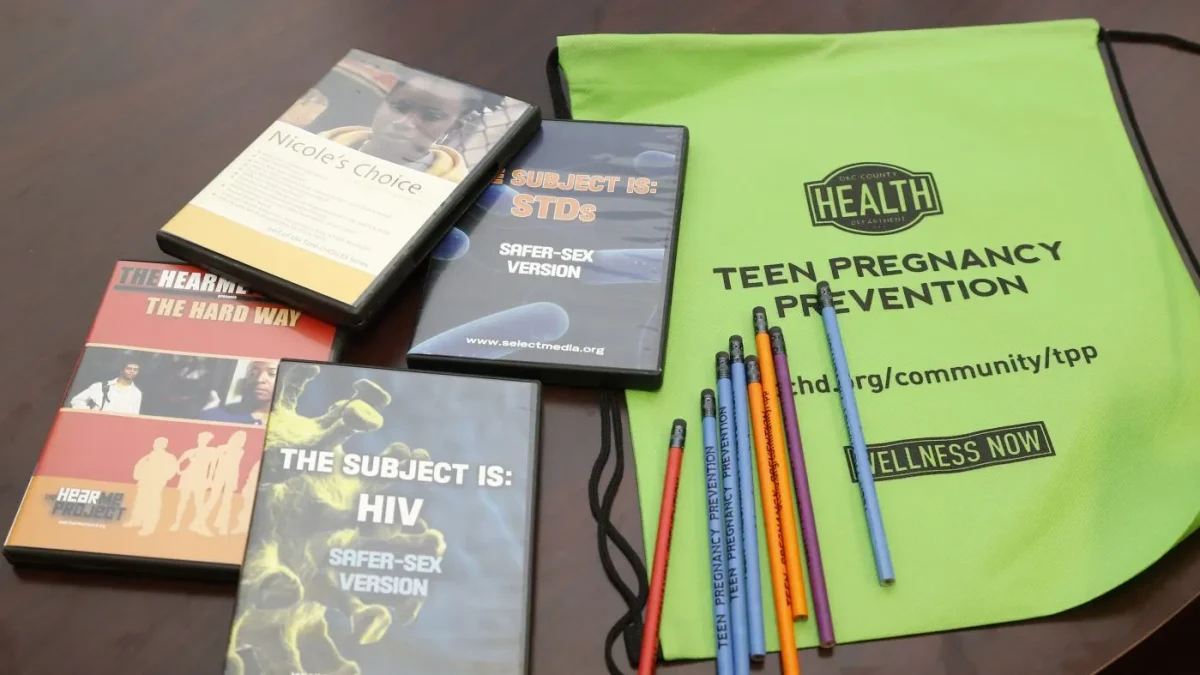
Table of Contents
Federal Judge Halts Overhaul of Teen Pregnancy Prevention Funding
Provpnadvice.com – A Washington, D.C. federal court issued a temporary restraining order Wednesday that freezes the Trump administration’s sweeping restructuring of the Teen Pregnancy Prevention (TPP) program, a federal initiative designed to fund evidence-based education for adolescents. The ruling stops the government from enforcing new funding rules that had already triggered the cancellation of tens of millions of dollars in active grants within a matter of days.
The order came from U.S. District Judge Christopher Cooper, a judicial appointee of former President Barack Obama. Cooper’s decision pauses the administration’s attempt to redirect the TPP program away from congressionally authorized, research-backed curricula and toward what plaintiffs describe as an abstinence-only framework. The judge found sufficient grounds in the preliminary record to block the new policy while the underlying lawsuit moves forward.
What Triggered the Lawsuit
The TPP program, administered by the Department of Health and Human Services (HHS), has long funded community organizations that teach young people how to make informed decisions about sexual health, reduce risk behaviors, and lower rates of sexually transmitted infections and unintended pregnancy. Congress established the program with the explicit expectation that funded activities would be grounded in scientific evidence.
In June, HHS abruptly terminated 53 active grants totaling roughly $67 million. The affected organizations had been delivering programming aimed at helping adolescents navigate sexual health decisions. The department told recipients they no longer matched agency priorities. Within 72 hours of issuing revised funding criteria, the vast majority of ongoing TPP awards were canceled.
The replacement guidance directed programs to emphasize abstinence and a concept the department termed “body literacy.” Plaintiffs contended this represented a fundamental departure from the evidence-based mandate Congress embedded in the program’s authorizing statute, substituting instead an ideologically driven curriculum.
The Plaintiffs’ Case
The lawsuit was filed earlier this summer by a coalition that includes a Midwest chapter of Planned Parenthood, the nonprofit Sexuality Information and Education Council of the United States, Hennepin County in Minnesota, and King County in Washington. Together, they argued that the administration’s pivot from science-informed education to abstinence-only instruction violated the Administrative Procedure Act (APA), which constrains agencies from imposing conditions on grant recipients that Congress did not authorize or that lack reasoned explanation.
Judge Cooper’s Reasoning
Cooper acknowledged the department’s broad latitude in shaping public-health policy. In his written order, he noted:
“The Department of Health and Human Services (HHS) ‘is perfectly entitled to formulate its own views about how to stem teen pregnancy—or even whether it is worth preventing at all—and to pursue policy initiatives consistent with its viewpoint.'”‘
However, the judge drew a firm line at the APA’s requirements. He wrote:
“But it is not at liberty, under the Administrative Procedure Act (‘APA’), to impose conditions on grant recipients that Congress did not intend or that are unreasonable or unexplained. The preliminary record suggests that HHS has done just that.”
Cooper took particular issue with the new curricular requirements. He observed that an educational program instructing teenagers to avoid pregnancy while omitting discussion of unprotected intercourse and contraceptive alternatives would conflict with established medical knowledge and everyday reality:
“An educational initiative that counsels teens on how to avoid pregnancy without discussing the realities of unprotected intercourse and its alternatives would seem to defy social reality, common sense, and scientific evidence alike. Yet HHS seeks to impose these and other unexplained criteria on all TPP grantees moving forward.”
The judge also scrutinized the department’s “body literacy” requirement, describing it as a “nebulous concept that appears to elevate fertility and marital procreation over contraception and pregnancy prevention.” He concluded the program changes were likely “arbitrary and capricious” within the meaning of the APA.
Scope of the Order
The court’s ruling blocks enforcement of the administration’s revised TPP policy for the duration of the litigation. Cooper additionally indicated he believed he possessed the authority to reinstate the grants already canceled in June, though the order does not compel immediate restoration. HHS did not immediately respond to a request for comment on the ruling.
Reaction and Broader Implications
Skye Perryman, president and CEO of Democracy Forward, which represented several of the plaintiff organizations, welcomed the decision in a public statement:
“This ruling is a positive step for young people across the country to be able to receive honest, medically accurate information to empower their health and their futures – not politically motivated messages.”
She added:
“The court recognized what we’ve argued: this administration cannot override Congress’s clear demand that this program be guided by evidence, not ideology. We will continue fighting to make sure that directive is honored and look forward to the next steps in the case.”
The case underscores a recurring tension in federal grantmaking: how far an executive department may reshape the substance of congressionally funded programs before crossing into unauthorized policy-making. For the roughly 53 organizations whose funding was severed in June, the temporary order offers a narrow window to continue operations while the courts weigh whether the canceled awards must be restored in full. The outcome will shape how future administrations interact with evidence-based public-health funding streams and whether ideological reorientation of congressionally mandated programs can survive judicial review.
Related Reading
Frequently Asked Questions
What is Federal court pauses Trump changes to Teen?
Federal court pauses Trump changes to Teen is the main topic of this guide. The article explains the context, practical details, and next steps readers should understand.
Why does Federal court pauses Trump changes to Teen matter?
Federal court pauses Trump changes to Teen matters because readers are looking for a useful answer, not just a short summary. Good content should match search intent and help them decide what to do next.