Gasoline prices stick at $4 per gallon as war drags on

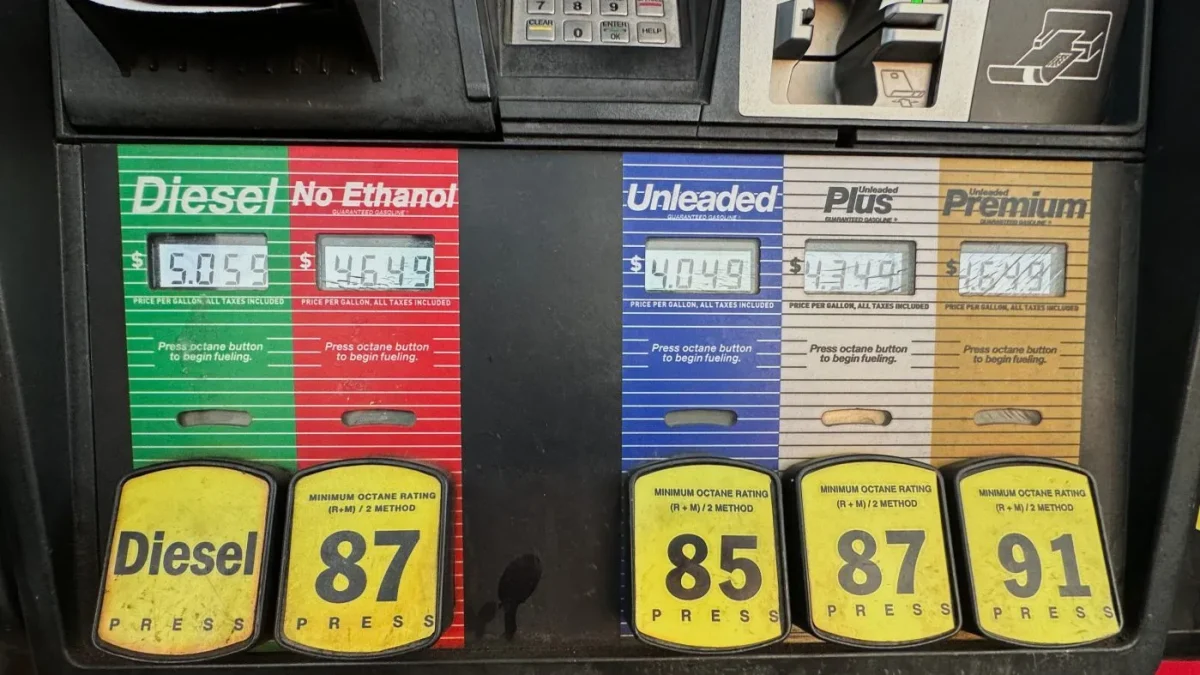
Table of Contents
Summer Fuel Costs Hold Firm Near Four-Dollar Mark Amid Global Tensions
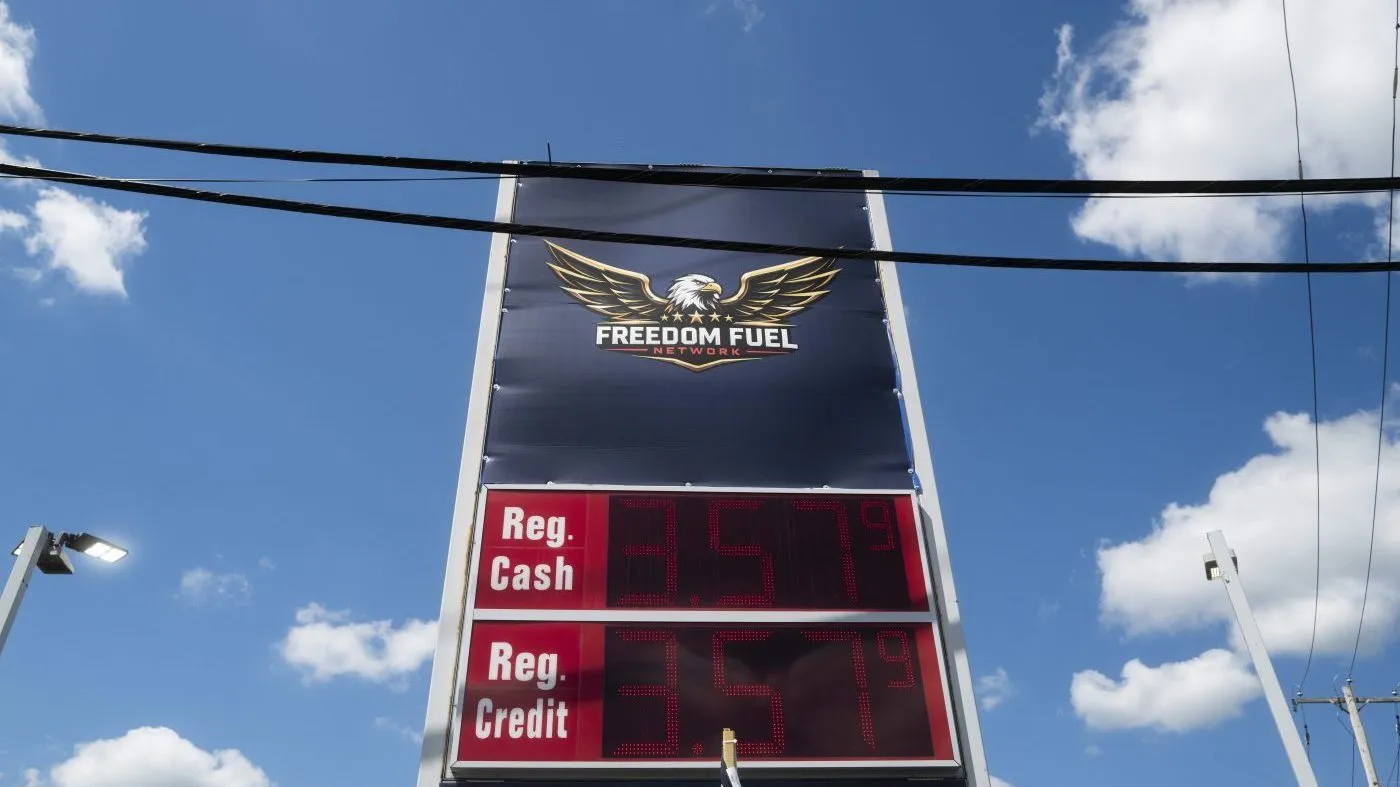
Provpnadvice.com – Motorists filling their tanks across the United States are encountering a persistent pricing reality that has become increasingly difficult to shake. The national average for gasoline has remained stubbornly positioned near the four-dollar-per-gallon threshold, representing an unusually elevated cost for this point in the seasonal cycle. This pricing environment coincides with an ongoing geopolitical conflict involving Iran that continues to create uncertainty regarding future energy markets and supply chains.
Seasonal Patterns and Current Anomalies
Historical trends typically show petroleum costs climbing during summer months when American drivers hit the road in greater numbers for vacations and daily commutes. As autumn approaches, prices generally retreat alongside reduced travel demand and the lifting of heat-related restrictions on fuel blending volumes. This year’s pattern has followed that trajectory but at a notably higher baseline.
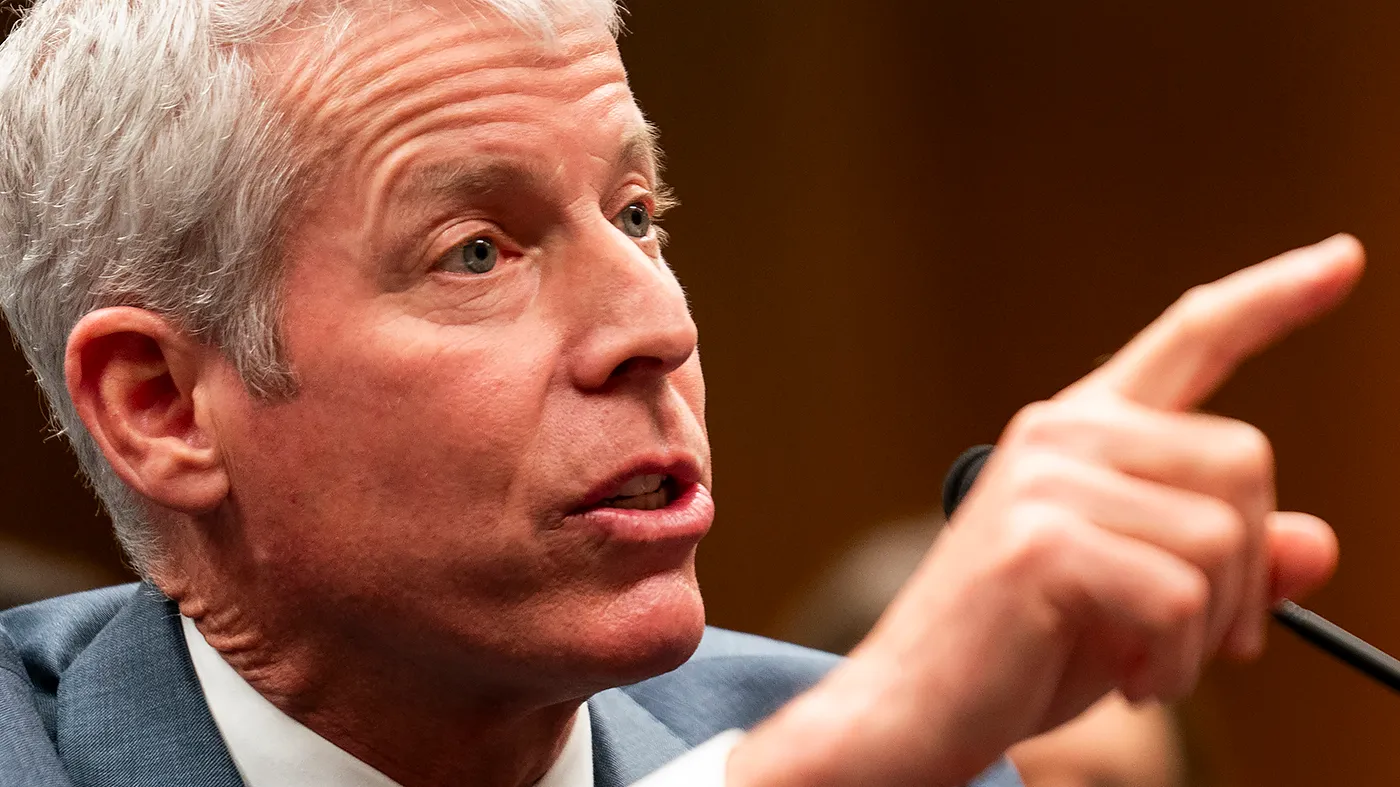
Tom Kloza, who serves as the chief oil analyst at Gulf Oil, emphasized the unusual nature of current pricing. He noted that consumers are experiencing costs exceeding any previous year’s figures for this specific period. The August timeframe has proven particularly expensive, with the average U.S. gasoline price reaching approximately $4.04 as of midweek. This figure represents an increase of roughly ninety cents compared to the same period twelve months prior.
“We’re paying more than we’ve ever paid this time of year,” Kloza stated. “For August, this is pretty high.”
Geopolitical Disruptions and Supply Chain Effects
The ongoing conflict involving Iran has created ripple effects throughout global energy markets. Reduced maritime traffic through the Strait of Hormuz—a critical shipping corridor for petroleum exports—has contributed to price volatility. This bottleneck has forced alternative routing and increased transportation costs that ultimately transfer to consumers at the pump.
David Doherty, who leads natural resources analysis at BloombergNEF, explained how these disruptions have reshaped international trade patterns. Nations that traditionally import crude oil from Middle Eastern sources and process it domestically now face challenges. Consequently, these markets have turned toward American-produced gasoline to fill supply gaps, increasing demand for U.S. exports.
“Certain markets buy crude from the Middle East and then they process that … and some of them can’t do that now,” Doherty explained. “The U.S. is basically sending a bunch of different oil products to Europe to fill some of the gap.”
Historical Comparisons and Future Outlook
Recent history provides useful context for understanding current pricing levels. The most significant price surge occurred during 2022 when Russia’s conflict with Ukraine pushed average gasoline costs above five dollars per gallon at their peak. By August of that year, however, prices had moderated to an average of $4.09 per gallon. Historical AAA records indicate that by August 12, 2022, the national average had declined to $3.99 per gallon.
The following year saw even lower August averages, with prices settling around $3.95 per gallon. Current levels therefore represent a meaningful increase from both recent benchmarks.
Industry analysts project that elevated pricing could persist for several additional weeks. Kloza anticipates costs remaining firm for the next four to five weeks, while Jim Mitchell, director of oil trading analytics at Wood Mackenzie, expects similar conditions for four to six weeks before potential relief emerges.
“With winter gasoline, you’re blending in way cheaper components, so, once we get by probably the next four to six weeks, we’ll see much upward price pressure on gasoline,” Mitchell said.
Broader Economic Implications
The timing of these pricing trends carries particular significance for American voters. With midterm elections approaching, fuel affordability has emerged as a central concern for households across the political spectrum. Kloza expressed confidence that prices would not reach catastrophic levels within the next ninety days, though he acknowledged they could remain at historically high levels for this season.
Barring major weather disruptions such as significant hurricanes, Kloza suggested average prices might eventually settle in the $3.50 to $3.75 range. However, the current elevated environment extends beyond gasoline to affect broader consumer costs.
Kloza highlighted that diesel fuel, which powers commercial trucks transporting goods nationwide, has also experienced substantial price increases. This creates a cascading effect through the economy as transportation costs feed into retail pricing for everyday products.
“The biggest problem with the CPI [consumer price index] going forward, will arrive via the additional costs related to freight and movement that are tied to high diesel prices,” Kloza warned.
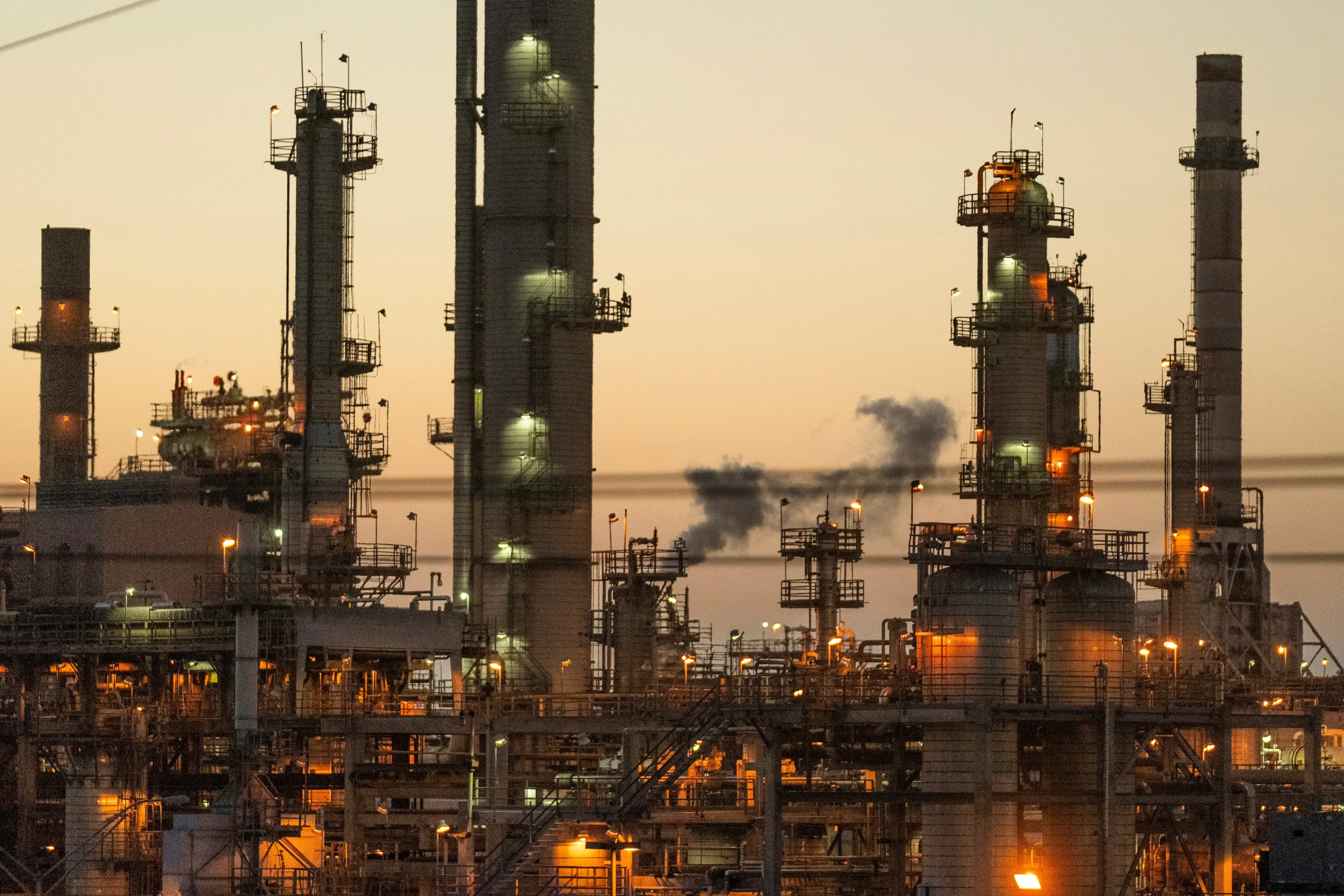
Furthermore, Kloza characterized the current situation as fundamentally different from previous energy crises. Rather than a shortage of crude oil production, the economy faces challenges in refining capacity. Drone strikes affecting facilities in both Russia and the Middle East have reduced global refining capabilities, creating what he described as a refined products production crisis rather than a raw materials shortage.
These interconnected factors—geopolitical conflict, supply chain disruptions, seasonal demand patterns, and infrastructure challenges—combine to create a complex pricing environment that consumers must navigate. While analysts see potential for gradual improvement, the road to more affordable fuel remains uncertain as global tensions persist and seasonal transitions approach.
Related Reading
Frequently Asked Questions
What is Gasoline prices stick at 4 per gallon?
Gasoline prices stick at 4 per gallon is the main topic of this guide. The article explains the context, practical details, and next steps readers should understand.
Why does Gasoline prices stick at 4 per gallon matter?
Gasoline prices stick at 4 per gallon matters because readers are looking for a useful answer, not just a short summary. Good content should match search intent and help them decide what to do next.