Bolton warns Trump actions in Iran could spark nuclear arms race

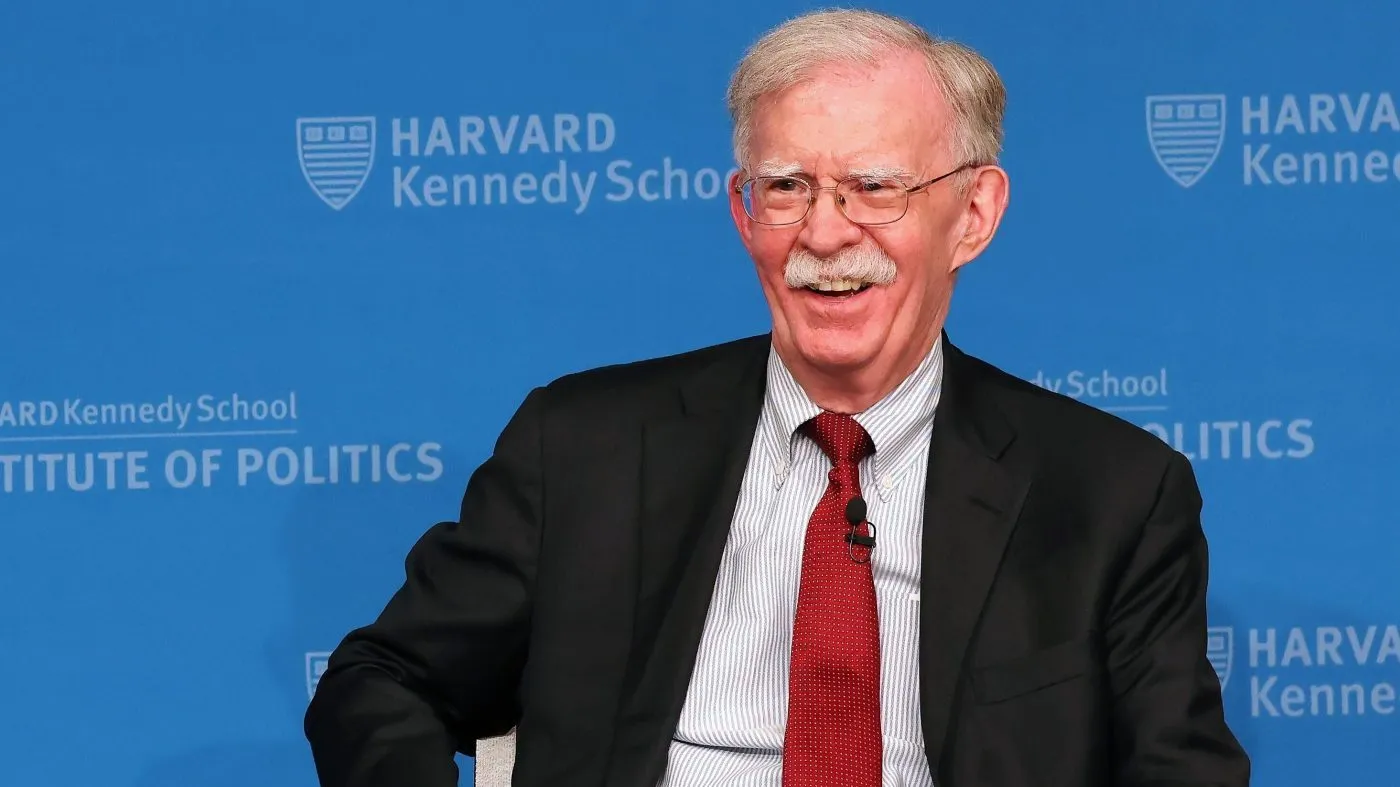
Bolton Warns Trump’s Actions in Iran Could Spark Nuclear Arms Race
Provpnadvice.com – On Sunday, former National Security Adviser John Bolton issued a stark warning about the potential consequences of President Trump’s decisions in the ongoing conflict with Iran. In an opinion piece published by *The Wall Street Journal*, Bolton argued that the U.S. approach to the war could unintentionally catalyze a nuclear arms race in the Middle East, exacerbating regional tensions and global security risks.
The Iranian Conflict and Its Global Impact
The war with Iran, which has already lasted three months, has disrupted alliances and strained the global economy. Recent polls suggest a growing number of Americans are concerned about the prolonged engagement, with many questioning the effectiveness of U.S. strategy in the region. Bolton emphasized that the inconsistency in Trump’s policies has created an environment ripe for further nuclear proliferation, particularly as Iran continues to assert its influence through military and diplomatic means.
“Regardless of the agreement Trump reaches with Iran, his inconsistent decision-making throughout the conflict may set the stage for increased nuclear proliferation across the Middle East,” Bolton wrote in his piece titled “A Bad Iran Deal Could Spark a Nuclear Arms Race.”
During a recent interview with NBC’s Kristen Welker, Trump defended his administration’s approach, stating that Iran had not yet conceded to ending the war because of its “strength” and “pride.” He acknowledged the necessity of a deal but framed Iran’s resistance as a reflection of its geopolitical resolve. “They’re strong, they’re proud, there are things they never thought they’d be doing that they’re going to have to do,” Trump said, highlighting the challenges of negotiating with a nation that views itself as a regional power.
Missile Attack and Strategic Concerns
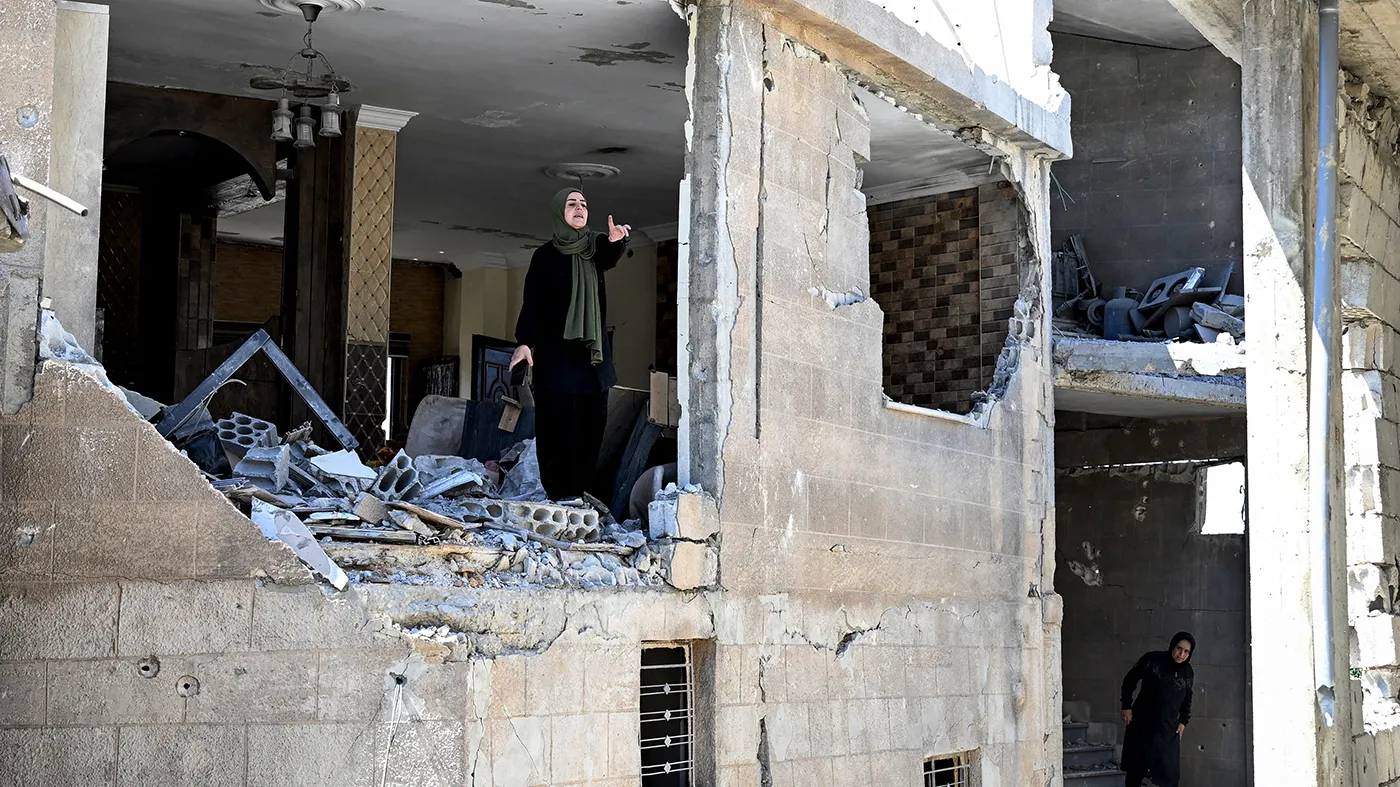
Iran’s recent military action—firing missiles at Israel—added urgency to Bolton’s warnings. A U.S. official confirmed that Trump had been briefed on the incident, underscoring the direct link between Iran’s aggressive behavior and the potential for wider escalation. The attack not only demonstrated Iran’s capability to strike beyond its borders but also raised fears about the stability of the region and the role of U.S. deterrence in preventing further conflicts.
“Mr. Trump and Iran’s internal opposition must remove or gravely weaken the principal threat to regional peace: Tehran’s regime,” Bolton asserted, critiquing the administration’s failure to address Iran’s nuclear ambitions effectively.
Bolton’s piece delved deeper into the strategic implications of the conflict, noting that Gulf Arab states and other regional allies have begun reassessing their reliance on U.S. military support. These nations, once confident in Washington’s ability to provide security, now fear that a weakened American presence could leave them vulnerable to Iranian threats. “If America’s conventional deterrent is deemed unreliable, fears about the extended nuclear deterrent are even greater,” he wrote, stressing that the perception of U.S. instability might prompt regional states to pursue their own nuclear programs.
The Strait of Hormuz and Proliferation Risks
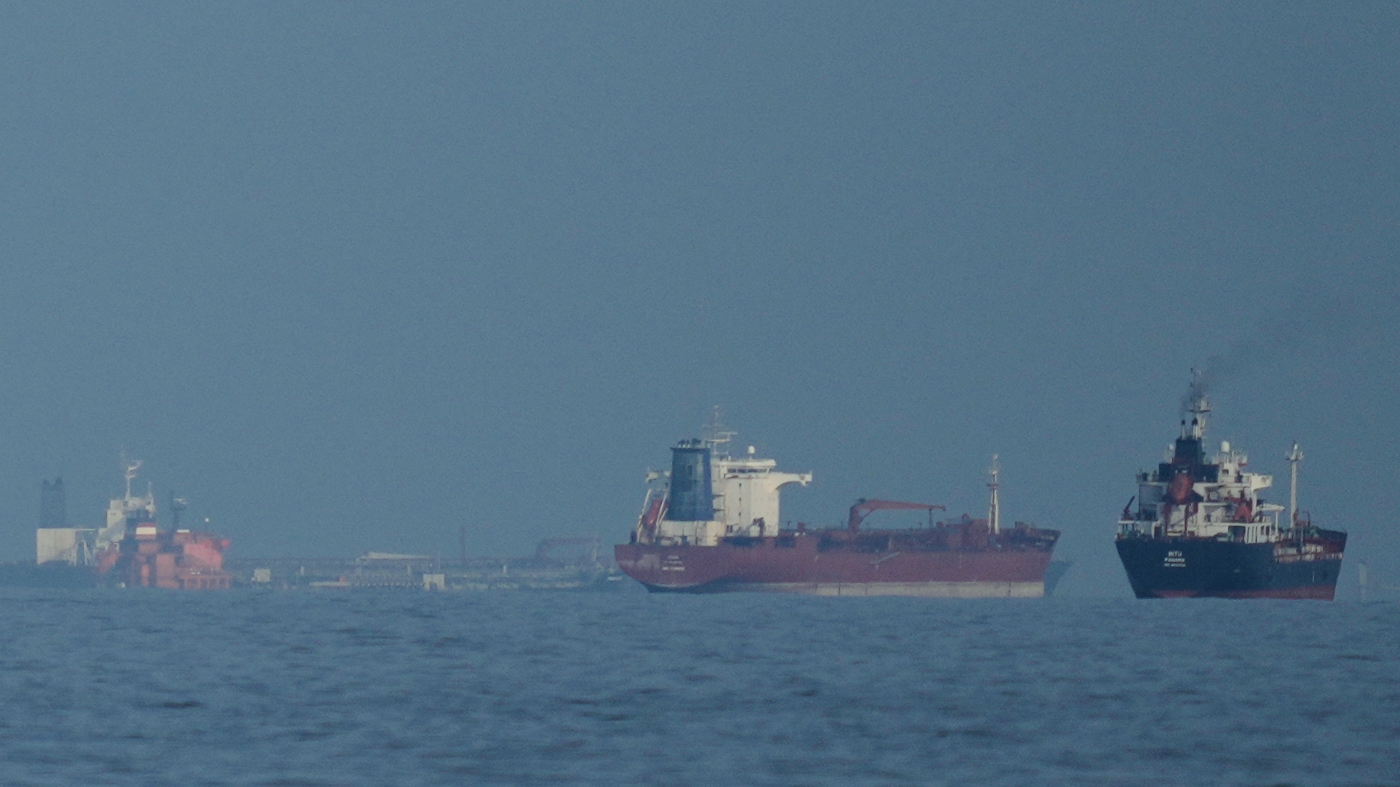
Trump’s focus on the Strait of Hormuz as a strategic priority has intensified the pressure on Iran, but Bolton warned that this approach might not be sufficient to prevent a larger arms race. The strait, a critical artery for global oil shipments, has become a flashpoint in the conflict, with U.S. actions aimed at controlling it seen as a direct challenge to Iranian sovereignty. However, Bolton argued that such moves could be interpreted as a provocation, encouraging other nations to develop nuclear capabilities to counter perceived threats.
“The race for nuclear weapons widens and accelerates, the region will become more unstable, heightening risks for the entire world,” Bolton added, linking the conflict to broader implications for international security.
Bolton’s analysis drew attention to the historical context of the Iran nuclear deal, which Trump has sought to renegotiate or abandon. He contended that the current approach risks undermining the agreement’s success, allowing Iran to expand its nuclear infrastructure without sufficient constraints. “The deal’s collapse could embolden Tehran to pursue a more aggressive nuclear posture, creating a domino effect across the Middle East,” he argued, a point that resonates with analysts who fear the consequences of a fragmented international coalition.
Reactions from Regional Allies
Regional allies, including Gulf states, have expressed growing apprehension about the U.S. role in the conflict. Some have begun to shift their strategic focus, prioritizing self-reliance in defense over dependence on Washington’s military guarantees. This change in mindset reflects a broader concern that the U.S. might not be able to maintain its commitments in the face of economic and political pressures. “Gulf Arabs and other regional states have long contemplated whether to acquire nuclear capabilities to hedge against a fickle Washington,” Bolton wrote, suggesting that the current crisis could accelerate their decision-making.
The conflict’s impact extends beyond immediate military confrontations, influencing diplomatic relations and economic stability. The U.S. has faced criticism for its fluctuating policies, which have left allies uncertain about the long-term implications of their alliances. Meanwhile, Iran has used the war to assert its position as a key player in the region, leveraging its nuclear program as a tool of power and deterrence.
Broader Implications for Global Security
Bolton’s warning highlights the delicate balance between containment and escalation in the Iran conflict. While the U.S. aims to curb Iran’s nuclear ambitions, its actions could inadvertently create a new dynamic where regional actors feel compelled to arm themselves. This scenario would not only destabilize the Middle East but also force the international community to confront the challenges of managing a nuclear arms race. “The threat of nuclear proliferation is not limited to Iran—it could ripple across the region and beyond,” Bolton concluded, urging a more cohesive strategy to prevent such outcomes.
As the conflict continues, the interplay between Trump’s policies and the broader geopolitical landscape remains a focal point. Bolton’s critique serves as a reminder that the decisions made in the Iran conflict have far-reaching consequences, shaping the future of regional security and global diplomacy. The path forward will require careful navigation, with the potential for both cooperation and confrontation shaping the next chapter of this complex struggle.