3 Indian sailors confirmed dead in US strike on oil tanker

3 Indian sailors confirmed dead in US strike on oil tanker
Provpnadvice.com – A US military strike on an oil tanker has resulted in the deaths of three Indian sailors, officials in New Delhi confirmed. The incident occurred earlier this week when the US forces targeted the vessel, which was reportedly violating Washington’s blockade on the Strait of Hormuz.
Indian minister details tragic loss
Indian Ports, Shipping and Waterways Minister Sarbananda Sonowal stated that the three mariners were killed in a “tragic incident” aboard the Palau-flagged MT Settebello. He added that the sailors were initially reported missing but were later identified and located, prompting the official confirmation of their deaths.
“The continuing incidents of attacks on shipping in the region are deeply worrisome and a direct result of the ongoing conflict in the region,” the Indian foreign ministry said in a statement, referring to the U.S.-Israeli war against Iran.
The US military had previously announced that it had disabled two vessels, the MT Marivex and the MT Settebello, both carrying Indian crew members. According to Centcom, the US Central Command overseeing American operations in the Middle East, the MT Settebello was accused of “violating the ongoing blockade by attempting to transport oil from Iran.”
Centcom claimed that precision munitions were fired into the boats’ engine room on Tuesday, disrupting their movement. This action sparked immediate condemnation from India, which highlighted the presence of 24 Indian crew members on board. The Indian government emphasized its concerns about the escalating conflict and the impact on maritime safety in the region.
India also summoned the US deputy chief of mission to the country, as reported by Reuters. The diplomatic move underscored the nation’s frustration with the US military’s actions. Separately, a third incident was reported off the coast of Shinas Port in Oman, where another vessel was involved in the conflict.
The US military has been redirecting at least 134 ships away from Iranian ports since the Trump administration imposed a naval blockade on the Strait of Hormuz in April. This measure has intensified the region’s volatility, particularly after the Iranian military shot down an Army helicopter near the strait at the start of the week.
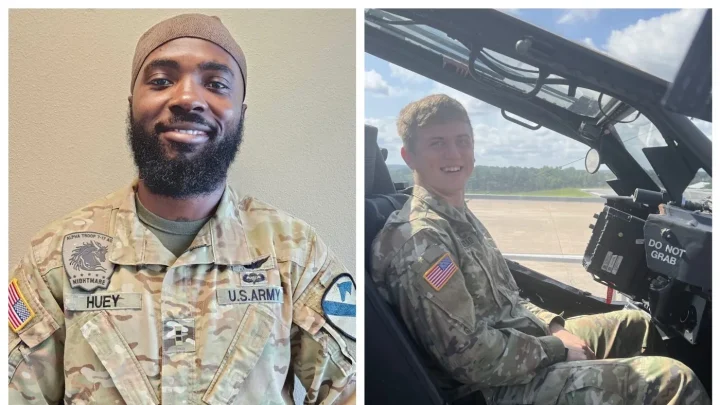
Two American service members from the Apache crew were rescued and are in stable condition following the incident. However, the attack has triggered a tit-for-tat response, with the US conducting a second round of “self-defense strikes” on Iranian military targets, including surveillance systems, communication networks, and air defense installations, according to Centcom.
President vows further action against Iran
“The United States will be hitting Iran (Whose Navy, Air Force, Radar, Anti Aircraft, and all other forms of Defense, together with most of its offensive capability, are GONE!), VERY HARD TONIGHT,” President Trump wrote in a Truth Social post on Thursday.
Trump’s statement reflects the administration’s determination to escalate pressure on Iran, which has been a central focus of the conflict. The US has been accused of targeting Iranian vessels and infrastructure to disrupt their ability to move oil through the critical waterway.
India’s response to the US strikes has been multifaceted, combining diplomatic pressure with calls for de-escalation. The foreign ministry reiterated its demand for immediate efforts to reduce tensions and finalize diplomatic talks aimed at restoring stability in the region.
As the situation continues to evolve, the incident has raised questions about the broader implications of military actions on international shipping and the potential for further confrontations. The combination of the US blockade, attacks on vessels, and the ongoing war in the region has created a volatile environment for maritime traffic.
Officials are now assessing the long-term effects of these strikes, particularly on India’s strategic interests. The MT Settebello, which was hit by US forces, represents a significant loss for the Indian maritime industry, with the crew’s fate serving as a stark reminder of the risks involved in the region’s escalating conflict.
With the US military reinforcing its presence in the Strait of Hormuz and Iran responding with its own retaliatory measures, the international community is closely monitoring the situation. The incident has not only impacted the immediate parties involved but has also highlighted the complex dynamics between regional powers and their global allies.