US military disables first tanker in Arabian Sea since blockade was reimposed

US Military Disables First Tanker in Arabian Sea After Blockade Reimposition
Strategic Strike Targets Non-Compliant Vessel
Provpnadvice.com – The US military disables first tanker in the Arabian Sea, marking a significant escalation in maritime enforcement operations. American forces successfully neutralized an empty oil tanker on Wednesday that was attempting to reach Iranian waters despite the recently reimposed naval blockade. This pivotal moment represents the initial instance of U.S. military action against a commercial vessel since President Donald Trump authorized the restoration of the critical Strait of Hormuz blockade earlier this week.
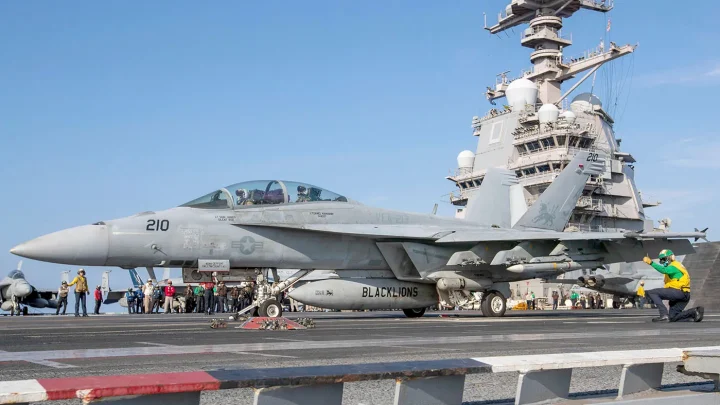
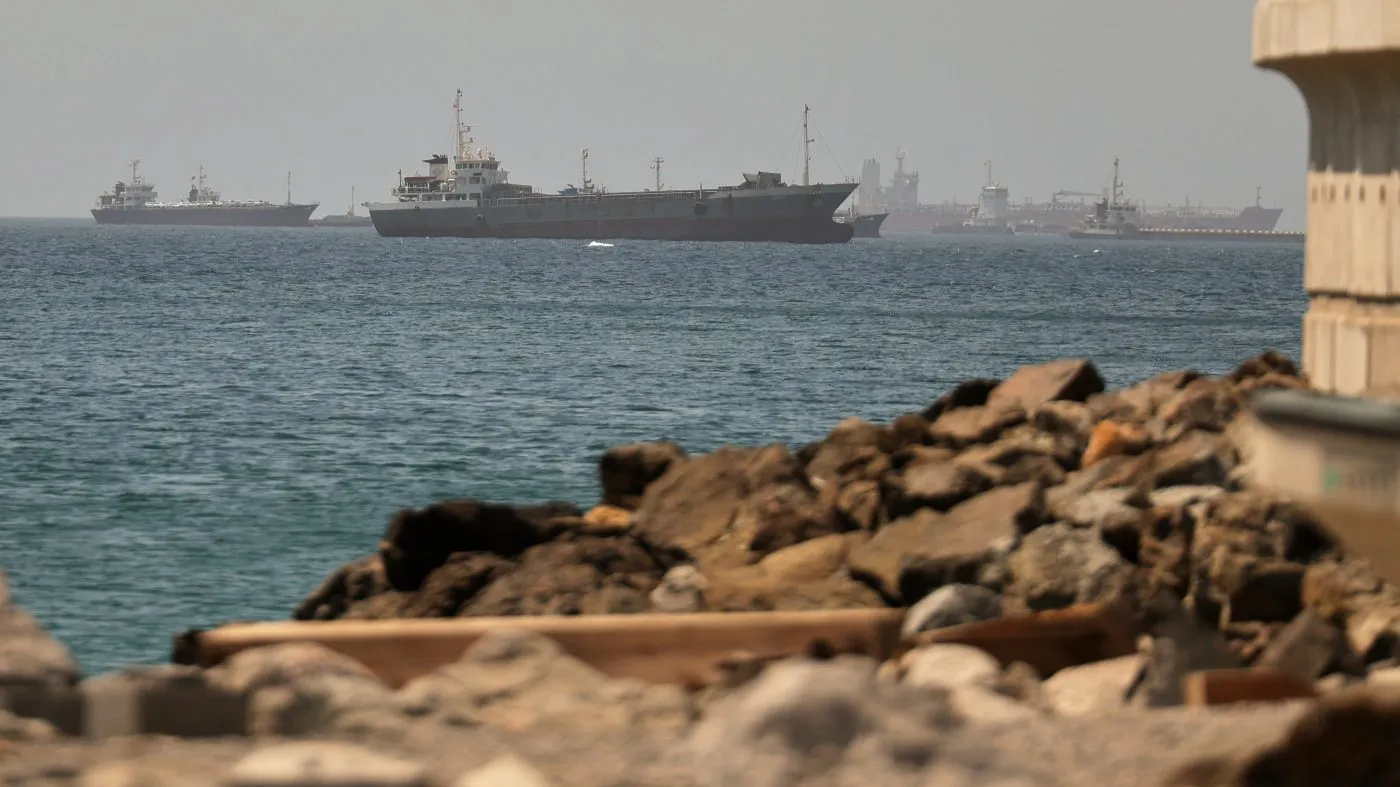
U.S. Central Command confirmed that a fighter jet launched a Hellfire missile directly into the smokestack of M/T Belma, a Curacao-flagged tanker spanning approximately 1,100 feet in length and 200 feet in width. The precise strike effectively disabled the vessel, which had ignored multiple warnings while traveling through international waters toward Kharg Island, Iran’s primary oil export terminal.
Blockade Restoration and Early Results
The naval restriction, temporarily suspended during the previous month, was officially reinstated on Tuesday evening. Within the first twenty-four hours following the blockade’s restoration, American military authorities documented redirecting two commercial vessels that complied with the updated maritime directives.
During the original blockade period spanning April through June 18, U.S. forces achieved remarkable operational success. More than 140 compliant ships were redirected from their intended Iranian destinations, while nine vessels faced disabling strikes for non-compliance. Commercial vessels offering humanitarian assistance received special permission to continue navigating through the restricted maritime zone.
The economic consequences for Iran during this initial phase proved substantial. Pentagon assessments, as documented by The Hill, revealed that the first blockade iteration cost Iran approximately $4.8 billion in lost oil revenue by May 1. This significant financial pressure underscored the blockade’s effectiveness in constraining Iranian export capabilities and demonstrating American maritime dominance.
Ongoing Military Operations and Regional Impact
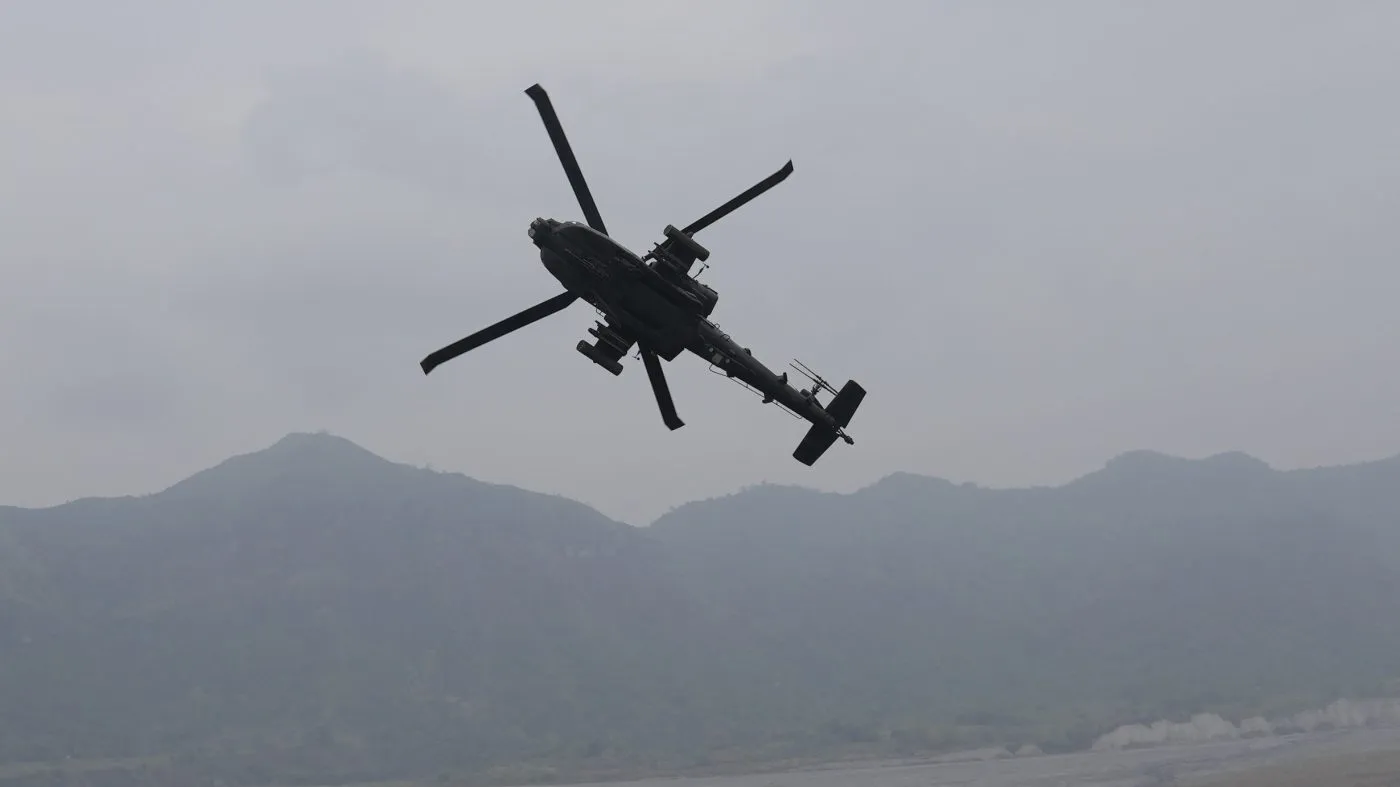
Under President Trump’s direct orders, the U.S. military has resumed comprehensive strike operations targeting Iranian positions. These aerial campaigns have engaged hundreds of locations along the coastal regions surrounding the Strait of Hormuz, establishing a robust multi-layered defensive posture designed to protect international shipping interests.
The kinetic actions persisted through Wednesday with American forces executing two separate attack sequences against Iranian military positions. U.S. officials described these operations as preventive measures aimed at protecting commercial shipping vessels attempting to navigate the critical waterway without interference from Iranian forces.
The Strait of Hormuz represents one of the world’s most important maritime chokepoints, through which approximately 20 percent of global oil consumption passes daily. This strategic waterway remains essential for international energy security and economic stability.
The American military’s renewed presence in this region signals unwavering commitment to maintaining freedom of navigation while simultaneously applying sustained economic pressure on Iranian maritime activities. As the situation continues to develop, military observers anticipate that the blockade will evolve based on Iranian responses and the behavior of commercial vessels operating in the region.
The combination of direct strikes, vessel redirections, and economic sanctions creates a comprehensive approach to addressing regional security concerns while protecting international shipping interests. The US military disables first tanker operation demonstrates the effectiveness of this multi-faceted strategy in achieving American objectives in the Middle East.