Judge, nominated by Trump, rules against him in key Minnesota case


Minnesota Sanctuary Laws Upheld as Trump-Nominated Judge Rules Against Administration
A Landmark Decision in Federal-State Immigration Tensions
Provpnadvice.com – In a significant development for local immigration policy, a federal judge appointed by Donald Trump has issued a ruling that goes against the current administration’s position. The case, which has been closely watched by legal experts and immigration advocates alike, centers on Minnesota’s sanctuary laws and whether they conflict with federal authority. According to a filing submitted on Monday, the Trump administration had argued that these state-level protections violate the Supremacy Clause of the U.S. Constitution, a foundational principle establishing that federal law takes precedence over state and local legislation.
The administration’s legal team sought to have the Minnesota sanctuary laws and related policies declared unconstitutional. Furthermore, they requested that the court issue an injunction to prevent these laws from being enforced. However, U.S. District Judge Eric C. Tostrud, who was nominated to the bench by President Trump, ultimately dismissed the case in his Monday decision. In his written opinion, Judge Tostrud explained that the challenged provisions do not single the federal government out for less favorable treatment, at least not in any sense that shows an intergovernmental immunity violation.
Minnesota at the Center of National Immigration Debate
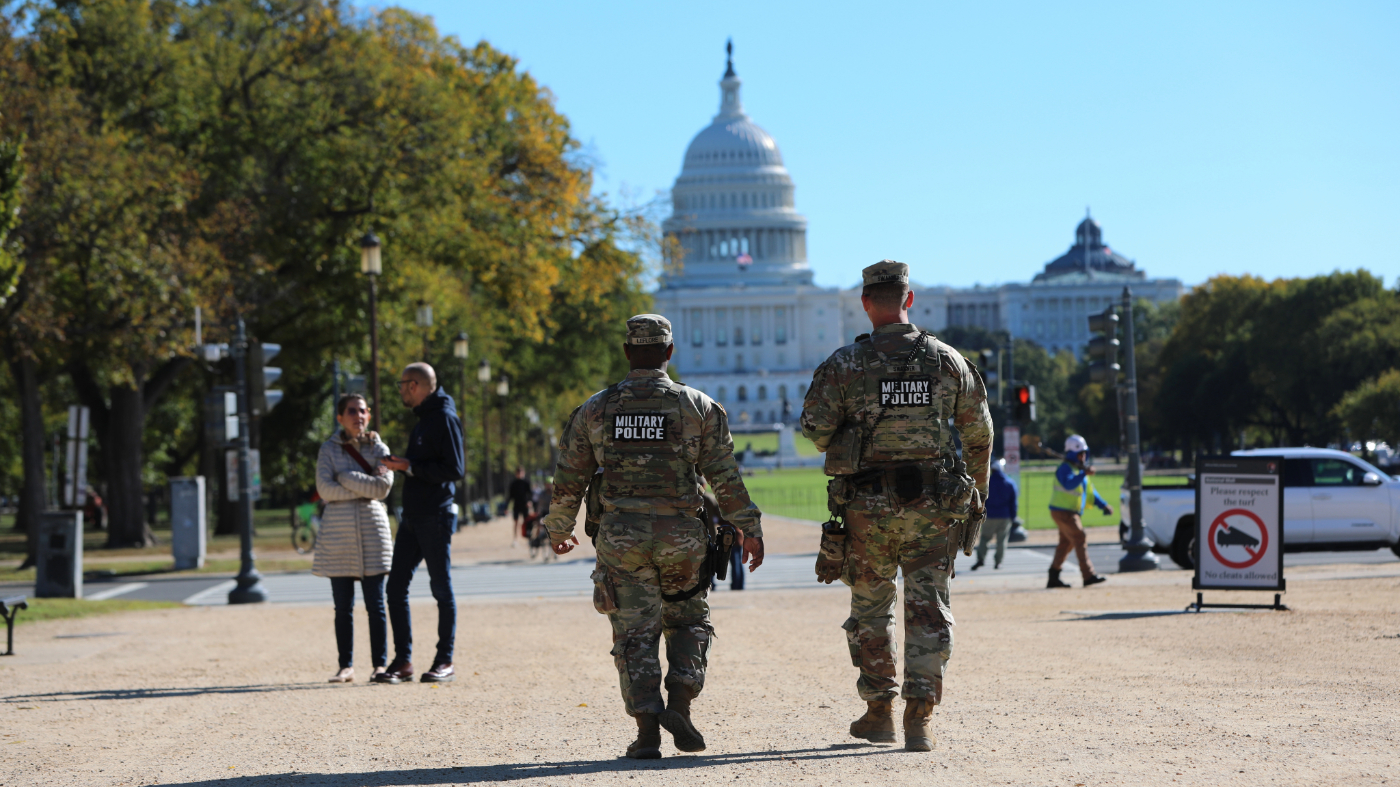
Earlier this year, Minnesota found itself at the epicenter of a national controversy surrounding the Trump administration’s aggressive immigration crackdown. At one point, the state hosted over 3,000 federal immigration personnel, creating an unprecedented presence of federal enforcement agents in the region. This massive deployment was part of a broader effort to strengthen immigration enforcement in states that had adopted sanctuary policies.
The situation in Minnesota became particularly emotional following the tragic deaths of two U.S. citizens, Alex Pretti and Renee Good. Both individuals were killed in Minneapolis by federal immigration authorities in January, sparking mass outrage across the country. Their deaths highlighted the human cost of the administration’s enforcement strategies and intensified scrutiny of federal operations in sanctuary cities.
Broader Pattern of Federal Immigration Enforcement
The Minnesota case did not occur in isolation. ICE officers have also fatally shot multiple people in recent weeks, with two notable cases occurring in Texas and Maine. These incidents, combined with the events in Minnesota, have raised questions about the consistency and accountability of federal immigration enforcement across different jurisdictions.
Additionally, Judge Tostrud has been involved in another significant immigration-related case. In February, he held the Department of Homeland Security (DHS) in civil contempt over violating a court order when it took a detainee to a facility in Texas the month prior. Tostrud ordered the federal government to compensate the detainee for a return flight to Minnesota, demonstrating his willingness to hold federal agencies accountable for their actions.
The Fernando Case: A Precedent for Federal Accountability
Tostrud noted that the detainee, who is a Mexican citizen named Fernando, had been released from the Texas detainment facility in late January without his belongings. The judge argued that federal officials had yet to properly explain their actions, emphasizing the importance of transparency in federal operations. This case has set an important precedent for how federal agencies must handle detainees and communicate with the courts.
“The challenged provisions do not single the federal government out for less favorable treatment, at least not in any sense that shows an intergovernmental immunity violation.”
The Hill has reached out to the Justice Department for comment on these developments. As the legal battles over sanctuary laws continue, this ruling may have far-reaching implications for the balance of power between federal and state governments in the realm of immigration policy.