Iran threatens wider war if US strikes persist: ‘No political border’ will be safe

Escalation Looms: Iran Warns of Broader Conflict Amid Sustained U.S. Military Campaign
Threats of Expanded Hostilities
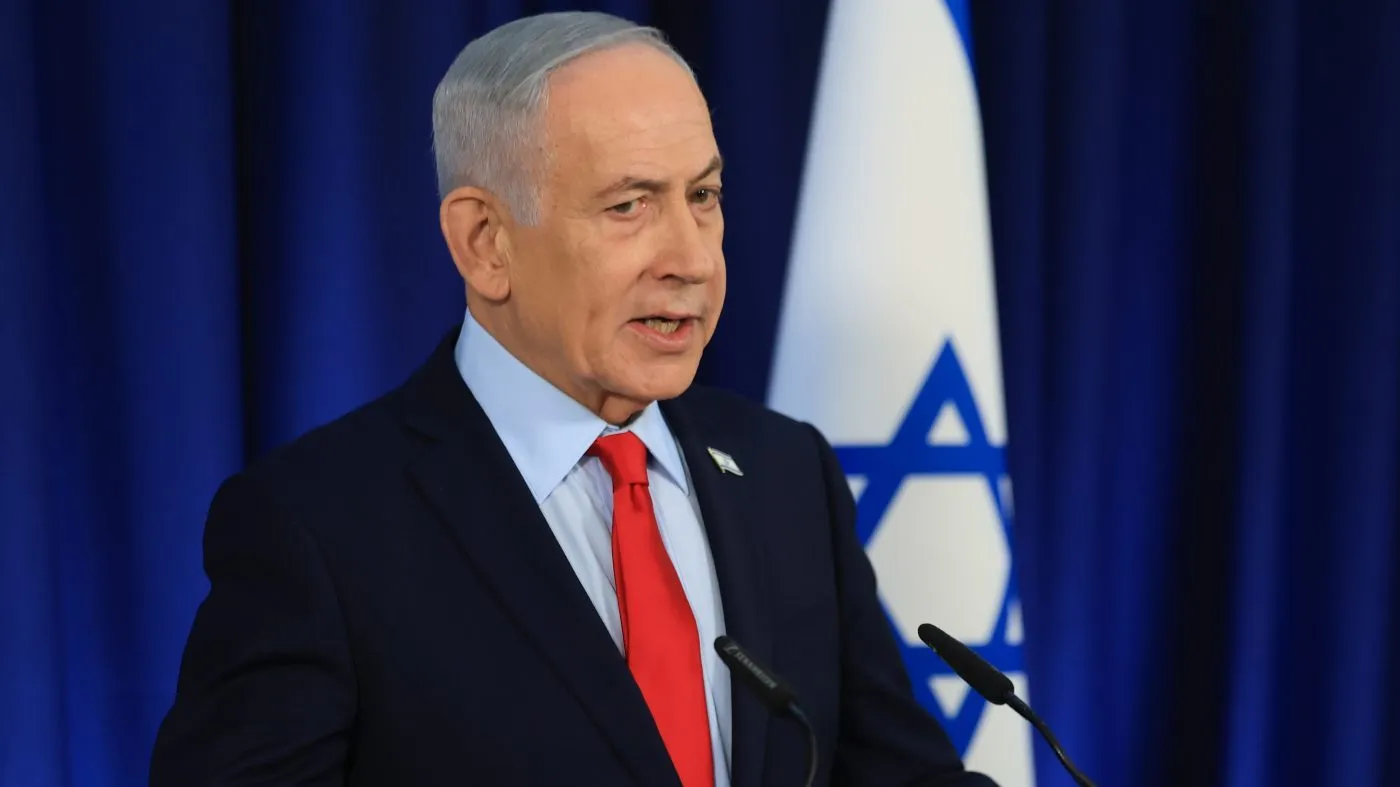
Provpnadvice.com – A prominent Iranian official issued a stark warning on Friday, signaling that the region could face a significantly larger conflict if American military operations continue unchecked. Following several days of intense combat, Major-General Mohsen Rezaei cautioned that comprehensive offensive actions might restart unless Washington halts its aerial bombardments.
Speaking to multiple news organizations while referencing the Iranian state television network IRIB, Rezaei emphasized that Tehran is abandoning its previous restraint. The senior adviser to Supreme Leader Mojtaba Khamenei made it clear that the Islamic Republic would no longer confine its reactions to proportional measures.
Iran will no longer limit itself to retaliatory, like-for-like responses…and no political border will be safe.
U.S. Strikes Intensify Across Multiple Targets
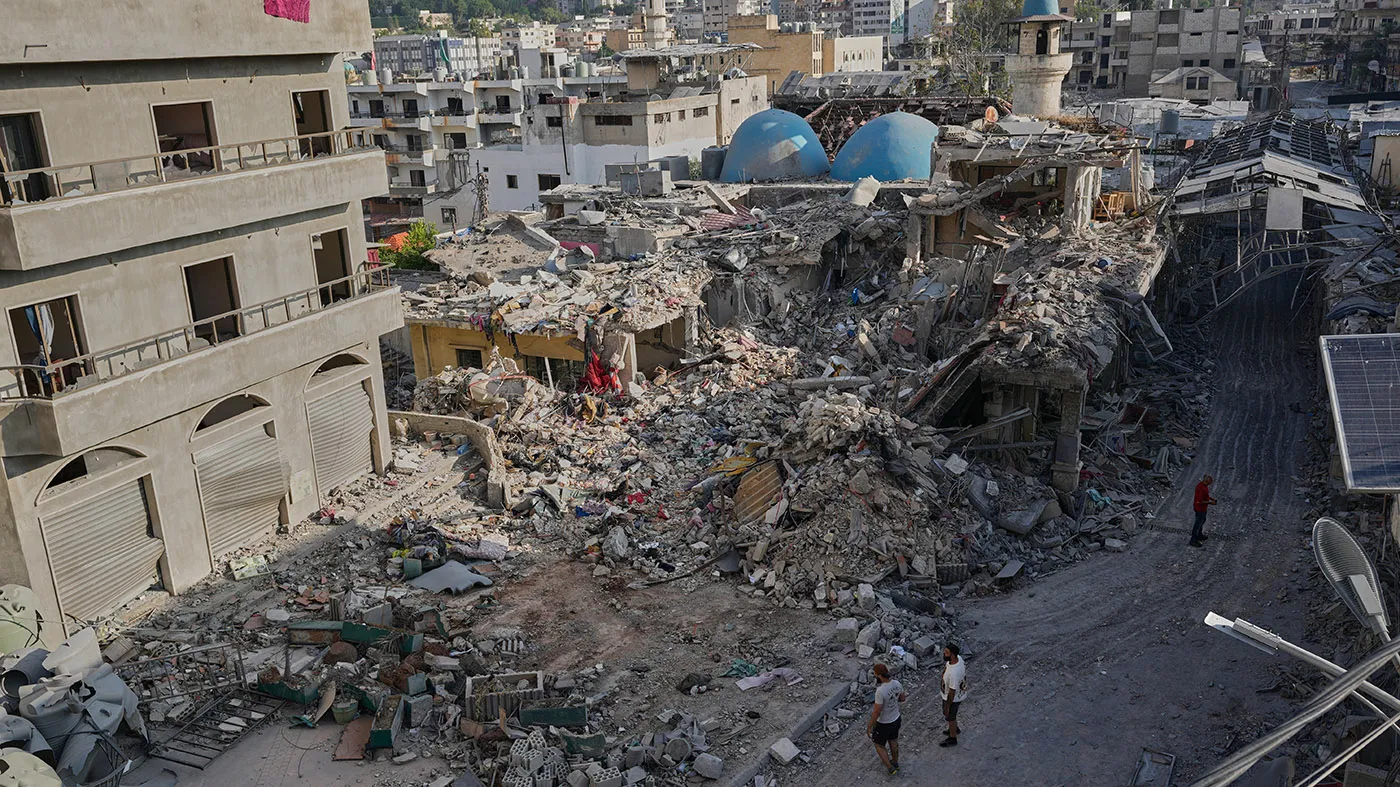
American military forces conducted their seventh straight evening of bombardments on Friday, focusing heavily on strategic infrastructure in the Persian Gulf region. The port city of Bandar Abbas, which serves as the headquarters for the Iranian Navy, became a primary target with several bridges reportedly damaged during the campaign.
According to U.S. Central Command, the operations concluded near 9:30 p.m. Eastern Daylight Time. The comprehensive assault encompassed surveillance installations, military supply networks, subterranean munitions depots, and maritime defense capabilities. CENTCOM released a statement on the social media platform X confirming that American forces remain committed to maintaining pressure on Tehran.
CENTCOM continues to hold Iran accountable at the Commander in Chief’s direction while fully enforcing a naval blockade against Iranian ports.
The military command further noted that over fifty thousand American service members stationed throughout the region remain prepared for any contingency, describing them as both vigilant and lethal.
Regional Fallout and Iranian Retaliation
Iranian state television broadcast footage depicting what appeared to be the structural failure of one of five bridges that had been hit near Bandar Abbas. Simultaneously, the Tasnim News Agency, which operates under the auspices of the Islamic Revolutionary Guards Corps, documented audible explosions in both Sirik and Qeshm Island, two southern Iranian locations positioned close to the critical Strait of Hormuz waterway.
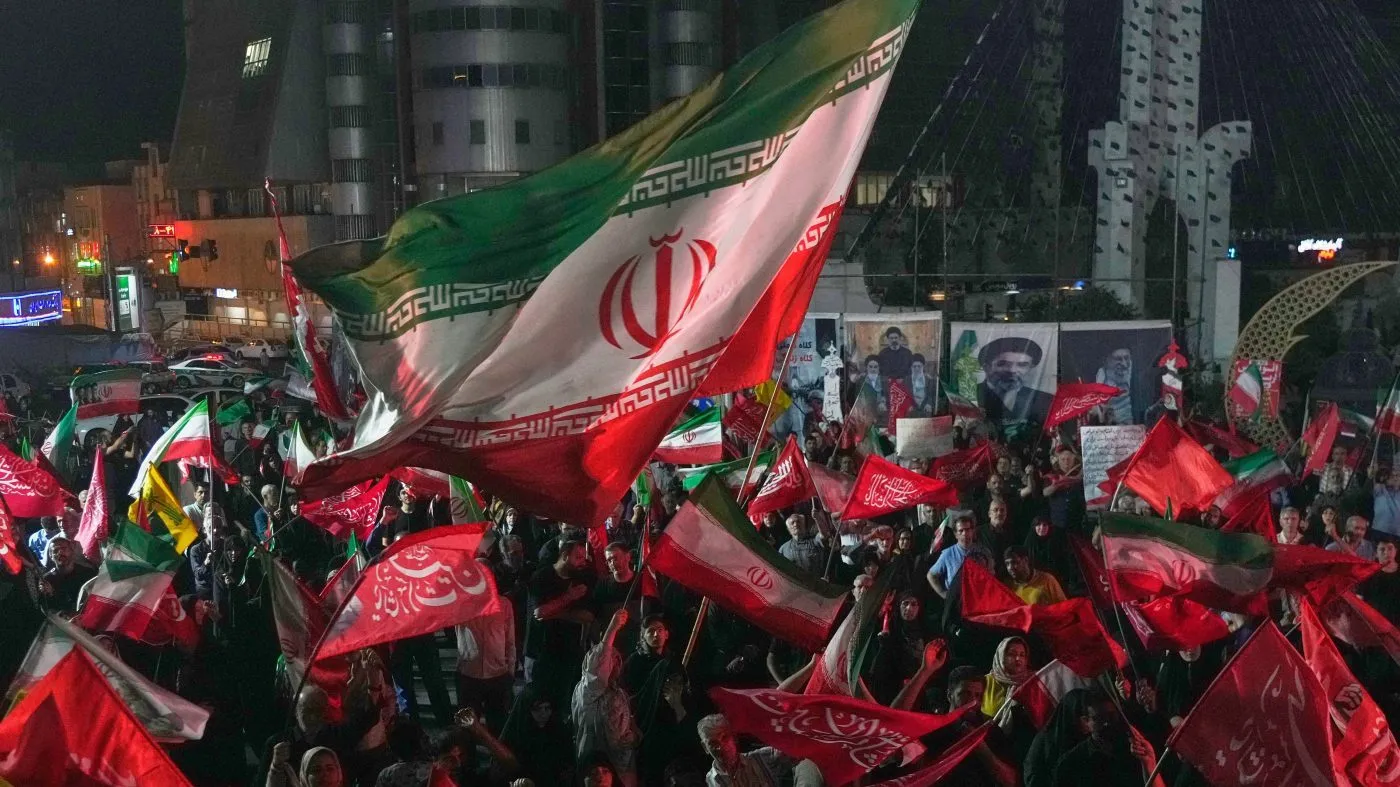
In response to the American offensive, Tehran deployed missiles and unmanned aerial vehicles against American installations in neighboring Gulf nations. The Iranian military announced via Tasnim on Saturday that its naval units had struck a U.S. fleet fuel support pier at Kuwait’s Mina Al Ahmadi Port alongside a communications facility within Kuwait. Additionally, Iranian forces targeted the Sheikh Isa air base and an intelligence data center located in southern Bahrain.
Jordanian air defense systems successfully intercepted and destroyed ten Iranian missiles that penetrated Jordanian airspace during the early hours of Saturday. Officials reported no injuries or structural damage resulting from these interceptions.
However, CBS News revealed on Friday that multiple American soldiers sustained injuries during Iranian attacks on at least two Jordanian military bases earlier in the week. The Pentagon has yet to officially verify these reports.
Diplomatic Relations Deteriorate Further
The escalating military exchanges occurred shortly after President Trump announced that the sixty-day ceasefire, which had commenced only a month prior, was officially concluded. The president also expressed diminished enthusiasm for continued negotiations with Tehran.
They want to make a deal, but every time they make a deal, they break it.
Iranian officials have similarly accused Washington of breaching the terms of their mutual understanding. Deputy Foreign Minister Kazem Gharibabadi stated on Saturday that Tehran has suspended its obligations under the agreement because of what he characterized as American aggressive behavior.
The United States has effectively trampled all of its commitments and suspended them.
Gharibabadi elaborated in remarks featured by Iran International that Tehran has reciprocated by suspending its own commitments under the Islamabad memorandum of understanding and is no longer implementing those provisions.
The situation continues to evolve as both nations position themselves for potential further escalation, with military operations and diplomatic tensions running parallel to one another in the Persian Gulf region.