Federal appeals court blocks CFPB job cuts

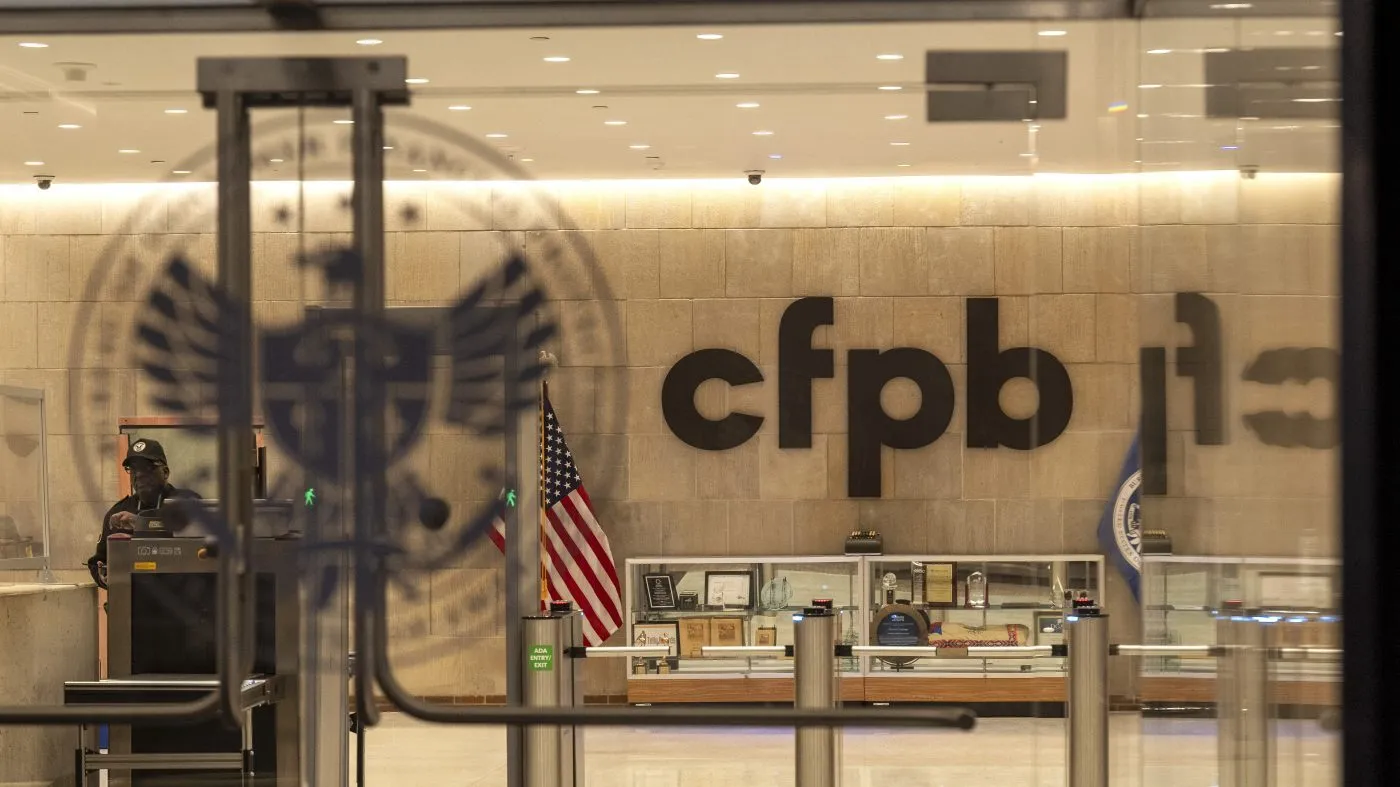
Trump Administration’s CFPB Workforce Reductions Stalled by Appeals Court
Provpnadvice.com – In a decisive ruling, a federal appeals court on Friday halted the Trump administration’s immediate plans to reduce the Consumer Financial Protection Bureau’s (CFPB) workforce. The decision, issued by the U.S. Court of Appeals for the District of Columbia Circuit, addressed the administration’s attempt to fast-track staff cuts while keeping the legal battle alive. The court agreed to return the case to the District Court but stopped short of allowing the White House to proceed with the reductions without further review.
Court Orders Reinstatement of CFPB’s Legal Challenge
The D.C. Circuit Court of Appeals granted the administration’s motion to transfer the case back to the District Court, acknowledging the need for a lower court to reassess the injunction it had previously issued. This injunction, imposed in 2024, temporarily blocked the mass layoffs of CFPB employees and contractors. However, the court rejected the administration’s request to resume the workforce reductions or impose a 45-day deadline on the district judge to make a final determination. The ruling underscores the judicial system’s role in balancing executive authority with regulatory oversight.
The administration had argued that the District Court’s injunction was overly restrictive and should be lifted to allow for expedited cuts. By returning the case, the appeals court signaled its intent to let the lower court reevaluate the legality of the workforce reductions. The decision also highlights the potential for extended litigation, as the case now moves back to the District Court for further proceedings.
Background on the CFPB’s Leadership Changes
Shortly after reassuming the presidency, Donald Trump appointed Russell Vought as the acting head of the CFPB. Vought, who previously served as the director of the White House Office of Management and Budget, initiated a rapid shift in the agency’s operations. Within days of taking over, he directed staff and contractors to halt all routine tasks, effectively putting the bureau on pause. This move was part of a broader strategy to dismantle the CFPB’s regulatory framework and reduce its operational footprint.
Vought’s leadership marked a significant departure from the CFPB’s previous direction. Under his guidance, the bureau began implementing a series of measures aimed at streamlining its processes and cutting costs. These included reassigning responsibilities, reducing the number of open cases, and targeting specific programs for scrutiny. The administration’s argument centered on the belief that the CFPB’s regulations imposed excessive burdens on small businesses, a claim that has been a recurring theme in its efforts to reshape the agency.
CFPB’s Role and Impact on Consumer Protections
The CFPB, established in 2010 under the Dodd-Frank Wall Street Reform and Consumer Protection Act, is one of the youngest federal agencies tasked with enforcing consumer financial laws. Its mission is to protect consumers from deceptive and unfair practices in the financial sector, including predatory lending, hidden fees, and misleading advertising. As of January 2025, the bureau reported $19.7 billion in consumer relief and $5 billion in civil penalties imposed on entities that violated federal regulations. These figures reflect the agency’s significant influence in holding corporations accountable and safeguarding individual rights.
Despite its achievements, the Trump administration has sought to undermine the CFPB’s effectiveness. The rationale for workforce cuts was based on the claim that the bureau’s regulatory approach stifled economic growth by creating compliance challenges for businesses. Critics, however, argue that the reductions threaten the agency’s ability to investigate misconduct and enforce protections for millions of consumers. The appeals court’s intervention ensures that the agency’s operations remain intact until a final determination is made on the legality of the cuts.
Key Figures in the CFPB Leadership Transition
President Trump’s recent nomination of Brian Johnson to serve as the full-time director of the CFPB adds a new dimension to the agency’s leadership. Johnson, a former deputy director during the first Trump administration, brings extensive experience in consumer finance regulations. Prior to his current role as vice president overseeing U.S. card compliance at Capital One, he held positions as a managing director at Patomak Global Partners and a partner at the law firm Alston & Bird. His background suggests a focus on aligning regulatory practices with market dynamics, a priority for the administration.
Johnson’s nomination is poised to face scrutiny in the Senate Banking Committee, where Sen. Elizabeth Warren (D-Mass.) serves as the ranking member. Warren, a long-time advocate for consumer rights, has consistently criticized the administration’s efforts to weaken the CFPB. Her public statements highlight the tension between regulatory enforcement and executive control, a theme that has defined the agency’s legal battles over the past few years. The Senate’s role in confirming the new director will be critical in determining the CFPB’s future direction.
Implications of the Legal Ruling
The appeals court’s decision to block immediate cuts has created a temporary reprieve for the CFPB, allowing it to continue its operations without disruption. This pause in workforce reductions may provide the agency with the opportunity to defend its regulatory framework more effectively. At the same time, it prolongs the legal conflict, giving the administration time to reframe its arguments and seek alternative strategies.
While the ruling prevents an immediate assault on the CFPB’s staffing, it does not resolve the underlying debate over the agency’s role in the economy. The administration maintains that the CFPB’s regulations are outdated and overly complex, hindering innovation and economic growth. In contrast, supporters of the bureau argue that its presence is essential to protect vulnerable consumers and ensure fair practices across the financial industry. The ongoing litigation reflects this ideological divide, with the court serving as a battleground for competing visions of regulatory oversight.
Consumer Advocacy and Legislative Oversight
Sen. Elizabeth Warren’s advocacy for the CFPB dates back to her time as a professor at Harvard Law School, where she championed consumer protections as a key policy priority. Her leadership in the Senate Banking Committee positions her to play a pivotal role in shaping the future of the bureau. The administration’s actions have drawn sharp criticism from Warren, who has repeatedly emphasized the importance of maintaining the CFPB’s independence and authority.
As the nomination of Brian Johnson moves forward, the Senate Banking Committee will have to weigh the merits of his qualifications against the administration’s broader agenda. This process may also become a focal point for debates on the balance between regulatory rigor and executive flexibility. The court’s decision ensures that the CFPB’s current workforce can continue to operate while the legal challenges play out, but the long-term implications for the agency’s structure and mission remain uncertain.
The case has already drawn attention to the CFPB’s evolving role in the financial landscape. While the administration seeks to shrink the bureau, its critics argue that the agency is a vital check on corporate power. The appeals court’s ruling, though a setback for the Trump administration, reaffirms the importance of judicial review in preserving the integrity of federal agencies. As the litigation progresses, the outcome will have far-reaching consequences for consumer protections and the regulatory environment in the United States.
“The CFPB has been a cornerstone of consumer advocacy, and its work has benefited millions of Americans. The administration’s push to cut its staff is not just about budgeting—it’s about weakening the voice of everyday consumers in the marketplace,” Sen. Elizabeth Warren stated in a recent speech.
The legal battle over the CFPB’s workforce cuts exemplifies the broader struggle between executive power and independent regulatory bodies. While the appeals court has temporarily stalled the administration’s plans, the fight over the bureau’s future is far from over. The decision to return the case to the District Court sets the stage for a more detailed examination of the injunction and its impact on the agency’s operations. As the process unfolds, the CFPB’s ability to enforce consumer protections will depend on the outcome of this critical legal dispute.