DOJ charges former SPLC employee in superseding indictment against the civil rights group

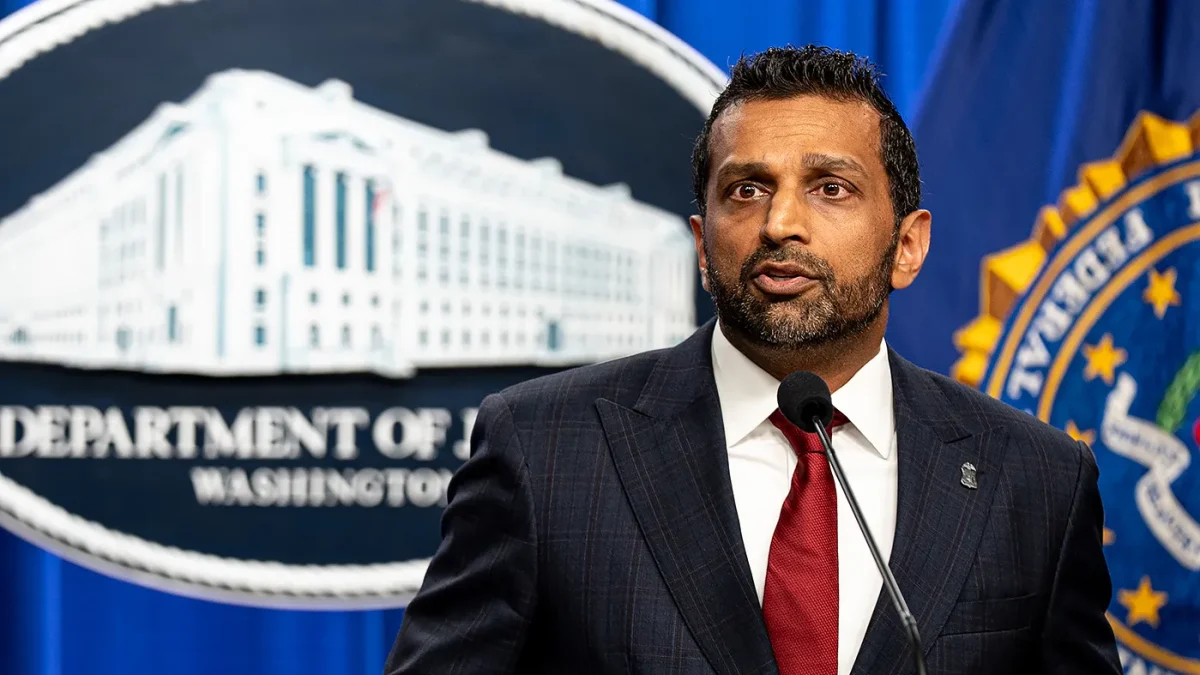
Table of Contents
Former Civil Rights Leader Faces Federal Charges in Expanded Indictment
Provpnadvice.com – Heidi Beirich, a prominent figure within the Southern Poverty Law Center before departing the organization, now finds herself at the center of a federal criminal case. The Department of Justice has filed a superseding indictment that introduces new accusations against both the civil rights nonprofit and its former employee. Prosecutors allege that Beirich managed financial arrangements involving informants who tracked extremist organizations across the country.
This development marks the first time an individual has been formally charged in connection with the broader case against the Alabama-based organization. While the initial legal filing targeted the nonprofit entity itself, claiming it deceived donors through payments routed through fake business accounts, the expanded indictment now places personal responsibility squarely on Beirich’s shoulders.
Financial Ties and Personal Relationships
The court documents paint a picture of intertwined professional and personal connections. According to the filing, Beirich maintained a romantic relationship with one of the key informants while they shared a residence. Financial records indicate that a segment of the money designated for the informant’s work was deposited directly into a bank account they held together.
The informant’s activities extended beyond monitoring. Court documents describe how this individual infiltrated the headquarters of an unidentified extremist organization, removing twenty-five boxes containing sensitive documents. Beirich subsequently made copies of these materials before the informant returned to the location to restore the original files.
Beirich now faces three distinct federal charges: conspiracy to commit wire fraud, conspiracy to submit false statements to a federally insured bank, and money laundering. Each charge carries potential penalties ranging from fines to imprisonment depending on the severity of the convictions.
Defense Arguments and Political Context
A free and fair society does not use the justice system to silence its political opponents. Heidi Beirich has dedicated her life to fighting hate groups and extremist movements like the KKK, neo-Nazis, and other white supremacists.
Michael Proctor, representing Beirich in court, characterized the prosecution as politically motivated. He emphasized that his client departed the Southern Poverty Law Center more than six years ago, suggesting the timing of the charges warrants scrutiny. Proctor argued that Beirich’s extensive career dismantling hate organizations made her a target for those seeking to undermine civil rights advocacy.
The attorney highlighted Beirich’s decades-long record of success and noted that her work generated significant threats to her personal safety. “For this, she has been indicted,” Proctor concluded, framing the legal action as retaliation rather than genuine pursuit of justice.
Organization’s Response and Broader Implications
The Southern Poverty Law Center has strongly contested the core allegations presented by federal prosecutors. The organization maintains that it never directed donor contributions toward the very extremist groups it publicly criticized. Instead, SPLC representatives argue that payments to informants served legitimate investigative purposes.
Taking on violent hate and extremist groups is among the most dangerous work there is, and we believe it is also among the most important work we do. The actions taken by the DOJ will not shake our resolve.
The expanded indictment introduces an additional count of concealment of money laundering against the nonprofit itself. This new charge suggests prosecutors believe the organization may have attempted to hide financial irregularities from regulatory authorities.
Legal experts note that superseding indictments allow prosecutors to add or modify charges without dismissing the original case entirely. This procedural mechanism enables the government to present a more comprehensive picture of alleged wrongdoing as new evidence emerges during investigation.
Political Turmoil and Institutional Relationships
The timing of these charges coincides with heightened tensions between the Southern Poverty Law Center and the second Trump administration. Federal authorities recently severed official ties with the organization following the assassination of Charlie Kirk, a prominent conservative figure and founder of Turning Point USA.
The SPLC had previously included Kirk’s organization in its annual “Year of Hate and Extremism” report for 2024, a classification that drew criticism from conservative commentators and political allies of Kirk. This categorization placed Turning Point USA alongside groups traditionally associated with extremist movements.
FBI Director Kash Patel has been particularly vocal about the investigation. He stated on social media that Beirich occupied a central position within the agency’s ongoing inquiry into the civil rights organization.
Heidi Beirich was at the center of our ongoing investigation into SPLC and their previously alleged criminal activity – where SPLC knowingly misled donors, who believed their money was being used to dismantle violent extremist organizations – when in fact, part of those donations were instead being used to pay senior leadership within those extremist groups.
The allegations suggest that money intended for combating extremism may have flowed upward to individuals within those same extremist organizations. If proven true, this would represent a significant breach of donor trust and potentially constitute fraud under federal law.
Looking Ahead
As the legal proceedings unfold, the case carries implications beyond Beirich and the Southern Poverty Law Center. Civil rights organizations nationwide may face increased scrutiny regarding their financial practices and informant relationships. Donors could become more cautious about contributing to groups that maintain extensive networks of informants and monitors.
The SPLC has expressed confidence in its position and indicated plans to present evidence in court. Legal analysts suggest that the outcome of this case could influence how civil rights organizations structure their operations and communicate with supporters in the years ahead.
Beirich’s personal situation remains uncertain as she prepares to face federal charges. Her attorney continues to argue that the prosecution represents political targeting rather than legitimate legal action. The coming months will reveal whether courts agree with this characterization or find sufficient evidence to support the government’s position.
Related Reading
Frequently Asked Questions
What is DOJ charges former SPLC employee in superseding?
DOJ charges former SPLC employee in superseding is the main topic of this guide. The article explains the context, practical details, and next steps readers should understand.
Why does DOJ charges former SPLC employee in superseding matter?
DOJ charges former SPLC employee in superseding matters because readers are looking for a useful answer, not just a short summary. Good content should match search intent and help them decide what to do next.