Federal surveillance operation targeted progressive groups, unions in Minnesota, documents show

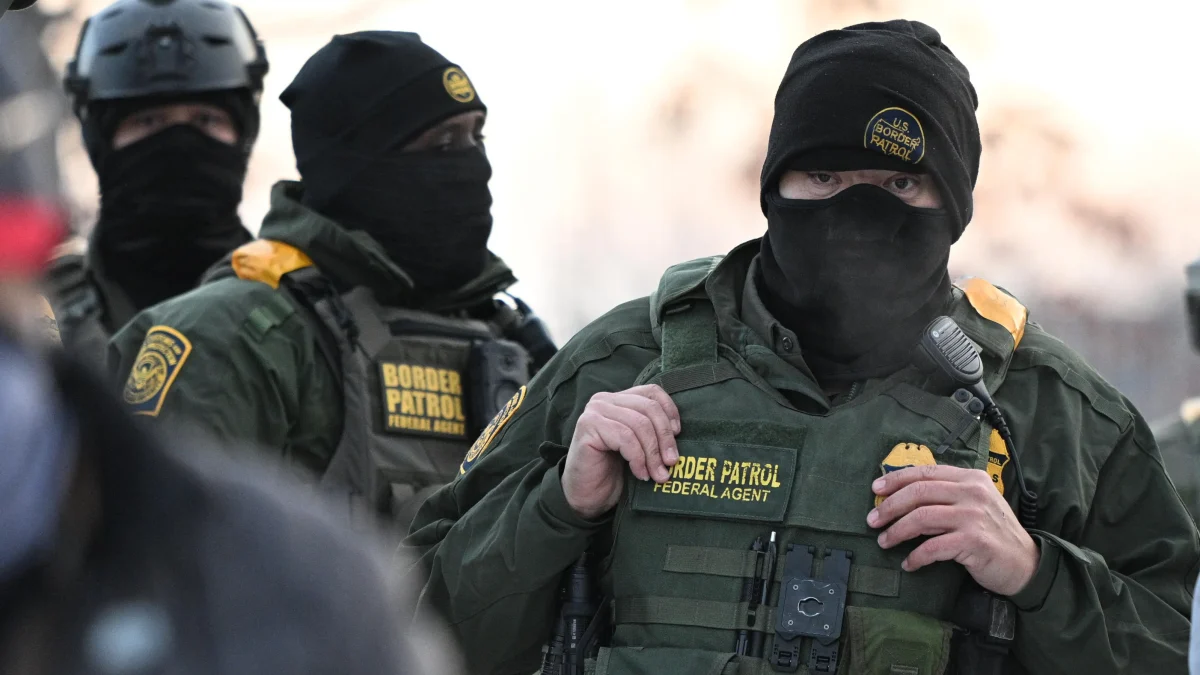
Table of Contents
Undercover Federal Agents Spied on Minnesota Protesters During Immigration Crackdown
Provpnadvice.com – Hidden surveillance operations conducted by federal authorities targeted progressive organizations and demonstrators in Minneapolis while the Trump administration intensified its immigration enforcement campaign, newly revealed court filings indicate. The extensive monitoring program captured everyday citizens participating in peaceful demonstrations against federal immigration policies.
Two Major Operations Uncovered
A comprehensive twenty-six-page legal motion submitted to federal court in Minnesota unveiled details about parallel investigations designated as “Operation Puppet Master” and “Project Whipple Shield.” Government officials characterized these initiatives as efforts to identify coordinated networks supporting individuals they described as disruptive agitators seeking to exploit chaotic situations.
The Department of Homeland Security deployed covert operatives who infiltrated community gatherings, monitored encrypted messaging platforms, and collected intelligence about participants in Minnesota demonstrations throughout the early months of 2025. These agents positioned themselves among ordinary citizens attending church services, park meetings, library events, and school functions across the Twin Cities area.
Records from these operations emerged during criminal proceedings involving fifteen individuals arrested in June and accused of conspiring to obstruct federal law enforcement officers during the protests. The charges prompted defense attorneys to scrutinize the government’s evidence collection methods and question the legitimacy of the surveillance program.
Timeline of Federal Response
Homeland Security Investigations initiated “Operation Puppet Master” on January 28, 2025, following the fatal shooting of American citizen Alex Pretti by a federal officer four days earlier. This tragic incident served as a catalyst for the expanded investigation into what officials termed an organized conspiracy.
An internal HSI document referenced in the court filing explained that the agency intended to embed undercover personnel within communities identified as potential threats to federal personnel. The strategy aimed to gather intelligence from within rather than relying solely on external observation.
Approximately two weeks after launching the first operation, investigators established “Project Whipple Shield” with a broader mandate to detect coordinated violence and interference with federal activities. Notably, the filing revealed that authorities obtained financial documentation from several national labor unions and additional organizations despite having “zero criminal predicate to do so,” according to the court documents.
Defense Challenges the Surveillance
Kevin Riach, an attorney representing defendant Isaac Sant among the fifteen accused individuals, strongly criticized the government’s monitoring approach. He emphasized that covert agents captured numerous conversations with regular citizens who were merely exercising their constitutional right to demonstrate against what he described as ICE’s aggressive enforcement campaign.
These agents surreptitiously recorded dozens of conversations with ordinary people who were simply exercising their First Amendment right to protest ICE’s lawless rampage in our state.
Riach petitioned the court to compel prosecutors to disclose additional evidence, including previously hidden surveillance reports, phone and laptop data collected by undercover operatives, and internal communications regarding both operations. He argued that the government’s conspiracy theories stemmed from political motivations rather than genuine security concerns.
These wild conspiracy allegations are born from the fantasies of political retribution that animate the Trump Administration.
The defense attorney further noted that the Trump administration consistently employed dehumanizing language when describing political opponents on the left. He contended that these attitudes had evolved into concrete policies supporting politically motivated prosecutions similar to the current case.
The administration has crystallized these sentiments into policies that encourage and authorize political prosecutions like this one.
Broader Implications for Civil Liberties
The revelation of extensive undercover surveillance raises important questions about the balance between national security and individual freedoms. Minneapolis has historically served as a significant center for progressive activism and labor organizing, making it a natural focal point for federal monitoring efforts.
The involvement of labor unions in the surveillance program is particularly noteworthy, as these organizations have traditionally maintained relatively low profiles in federal investigations. The acquisition of financial records without established criminal connections suggests an expansive interpretation of investigative authority.
Undercover agents who attended community gatherings at religious institutions, educational facilities, and public spaces created an environment where citizens may have felt their private conversations were being captured. The secret recording of both audio and video content at these locations adds another layer to the controversy surrounding the operations.
The case also highlights the ongoing tension between federal immigration enforcement and local communities. ICE’s aggressive tactics in Minnesota have drawn criticism from civil rights advocates who argue that the enforcement approach disproportionately targets immigrant populations and their supporters.
As the legal proceedings continue, the outcome could set important precedents for how federal agencies conduct surveillance and what standards must be met to justify such operations. The defense’s request for additional disclosure materials suggests that more revelations may emerge as the case develops through the court system.
The monitoring program’s scope and methodology will likely remain subjects of debate as legal scholars, civil liberties organizations, and the public evaluate whether the government’s actions were proportionate and justified. The case represents a significant moment in the ongoing conversation about democratic rights and federal power in contemporary America.
Related Reading
Frequently Asked Questions
What is Federal surveillance operation targeted progressive groups?
Federal surveillance operation targeted progressive groups is the main topic of this guide. The article explains the context, practical details, and next steps readers should understand.
Why does Federal surveillance operation targeted progressive groups matter?
Federal surveillance operation targeted progressive groups matters because readers are looking for a useful answer, not just a short summary. Good content should match search intent and help them decide what to do next.