40 percent report buying less produce amid cyclospora outbreak: Poll

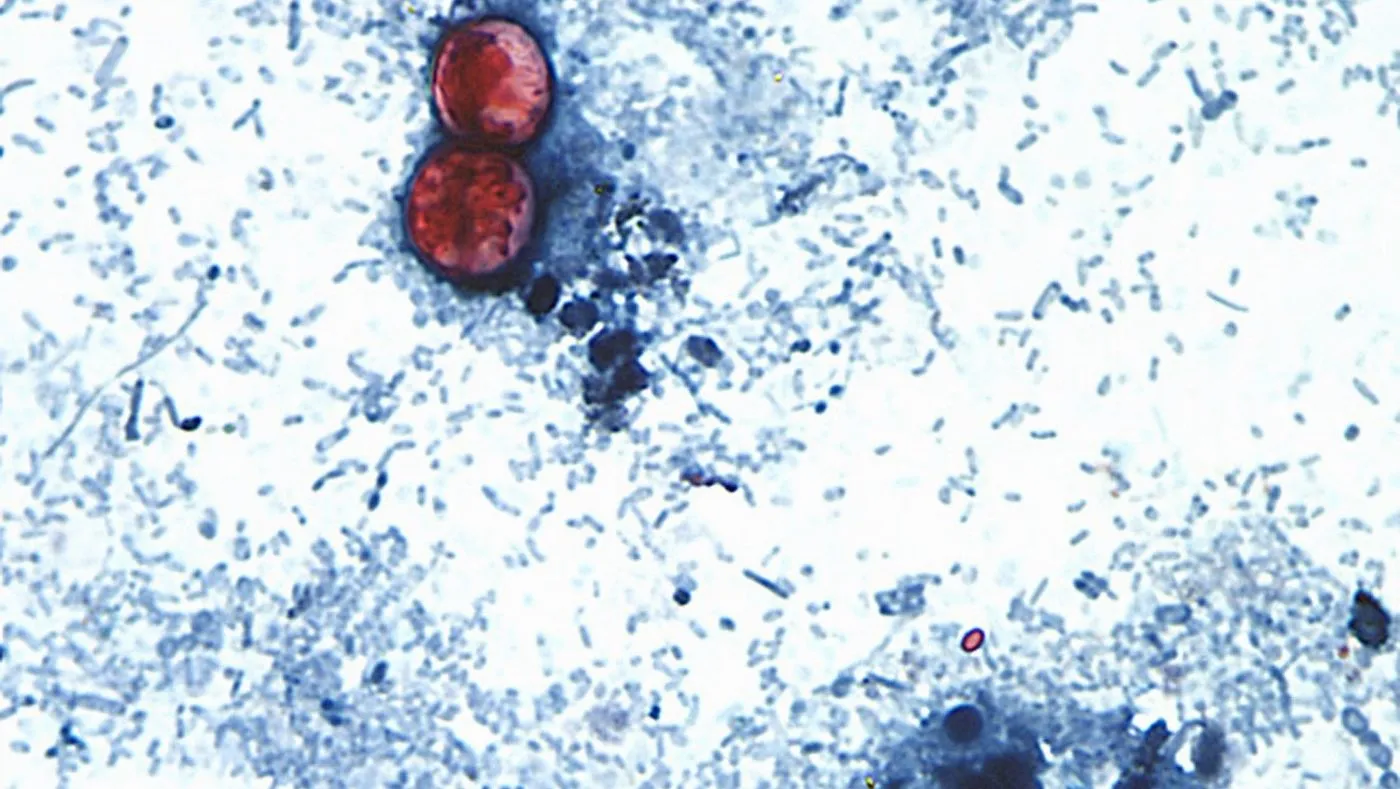
Table of Contents
Public Confidence Tested as Cyclospora Outbreak Continues to Unfold
Survey Reveals Significant Shifts in Consumer Behavior
Provpnadvice.com – A comprehensive national survey conducted in late July has uncovered notable changes in how American consumers are responding to the ongoing cyclospora contamination crisis. According to data gathered by CBS and YouGov between July 22 and July 24, a substantial portion of the population has altered their purchasing habits in response to food safety concerns. The poll, which included 2,193 U.S. adults with a margin of error of 2.7 percentage points, demonstrates that 40 percent of respondents have reduced their consumption or purchase of fresh fruits and vegetables since the outbreak began.
While the majority of Americans have adjusted their behavior, a small segment has actually increased their produce intake. Only 4 percent of those surveyed reported eating more fresh foods during this period. The largest group, comprising 56 percent of participants, indicated that their dietary patterns remain unchanged despite the widespread media coverage and health warnings surrounding the contamination.
FDA Investigation and Controversial Retraction
The Food and Drug Administration initiated its formal investigation into the contamination event earlier this month, seeking to identify the primary source of the outbreak. The agency’s initial assessment pointed toward iceberg lettuce produced by Taylor Farms as the likely culprit. However, on July 19, the FDA made an unexpected decision to retract its earlier test results that had identified the lettuce as the source of the nationwide illness.
This reversal came following private discussions between Taylor Farms executives and officials from both the White House and the FDA. Despite this public retraction of laboratory findings, the Trump administration maintained that epidemiological evidence continues to connect the outbreak to iceberg lettuce sourced from Taylor Farms’ operations in central Mexico. The administration emphasized that the false positive declaration did not invalidate the broader scientific data supporting the lettuce connection.
Public Trust in Regulatory Agencies Under Scrutiny
The survey results reveal significant divisions in how Americans view the FDA’s handling of this crisis. Nearly half of all respondents—47 percent—expressed distrust in the agency’s ability to manage the cyclospora situation effectively. Meanwhile, 40 percent indicated they possess some level of confidence in the FDA’s response. Only a small minority, representing 13 percent of participants, stated they have “a lot” of trust in the regulatory body’s capacity to bring the outbreak under control.
Understanding the Parasite and Its Effects
The illness affecting more than a thousand individuals is caused by Cyclospora cayetanensis, a microscopic single-celled parasite that has contaminated bagged iceberg lettuce. This pathogen primarily infects the small intestine, producing a range of uncomfortable symptoms that can persist for weeks. Those affected commonly experience frequent watery diarrhea, severe fatigue, muscle aches, abdominal cramps, bloating, and increased gas production.
Certain foods carry higher risk levels due to their preparation methods and consumption patterns. Prepackaged bagged salads, leafy greens, basil, cilantro, and berries are particularly vulnerable because of their textured surfaces and the fact that they are typically eaten raw without cooking. These characteristics make it easier for the parasite to adhere to and contaminate these products.
Broader Implications for Food Safety
This outbreak highlights the challenges facing the modern food supply chain and the importance of transparent communication between regulatory agencies, food producers, and consumers. The public’s reaction—both in terms of dietary changes and trust levels—demonstrates how quickly food safety incidents can influence consumer behavior and confidence in government oversight. As investigations continue, the outcomes will likely shape future protocols for monitoring and responding to similar contamination events in the produce industry.
Related Reading
Frequently Asked Questions
What is 40 percent report buying less produce?
40 percent report buying less produce is the main topic of this guide. The article explains the context, practical details, and next steps readers should understand.
Why does 40 percent report buying less produce matter?
40 percent report buying less produce matters because readers are looking for a useful answer, not just a short summary. Good content should match search intent and help them decide what to do next.