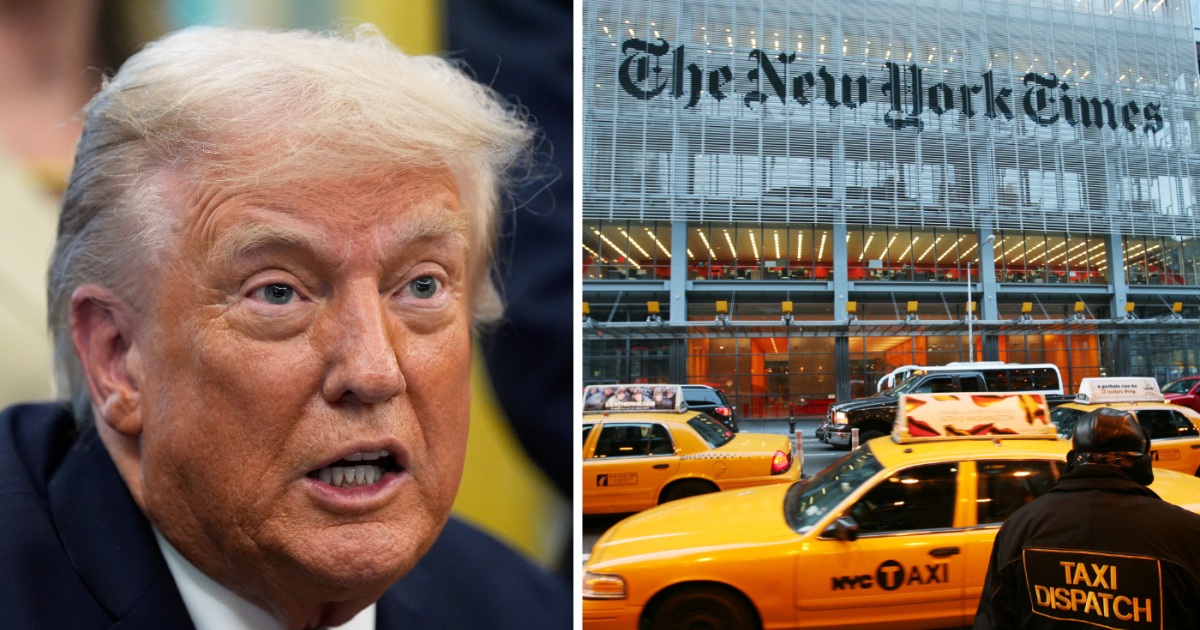
Trump pauses 50% tariffs on Canada for 3 days

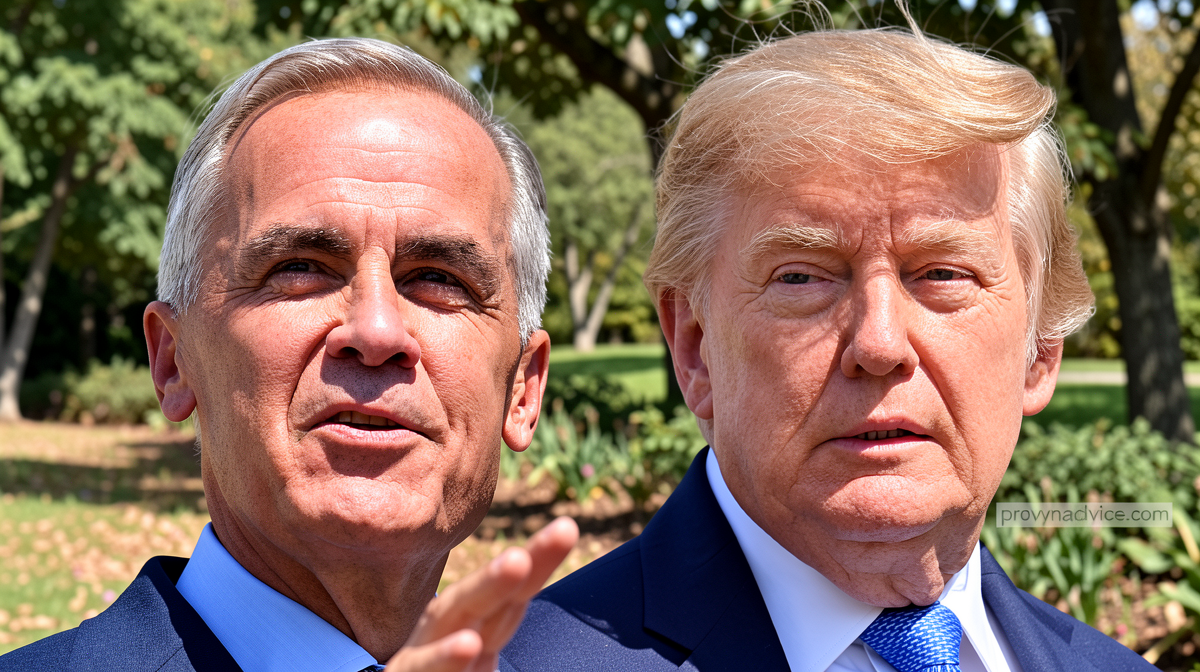
Table of Contents
Three-Day Breathing Room: Trump Hits Pause on 50% Canadian Tariffs Amid Final Deal Negotiations
Provpnadvice.com – In a move that came hours before the measures were set to take effect at midnight, President Donald Trump announced late Tuesday that he would suspend the 50 percent tariffs targeting a broad range of Canadian imports for a brief three-day window. The decision, delivered through his Truth Social platform, signals that Washington and Ottawa are in the closing stages of negotiating a trade framework — though no formal agreement has yet been signed.
“I have paused the 50% Tariffs against Canada, that were scheduled to kick in tomorrow morning for a three day period, based on the fact that Canada and the U.S.A., subject to the finalization of documents, have a DEAL!”
The president offered no specifics on the substance of the prospective arrangement, but he did single out one symbolic project: the Keystone XL pipeline, which would carry crude oil from Alberta through several northern U.S. states. He framed its potential revival as a correction of a prior administration’s decision.
“The great Keystone XL Pipeline, long ago killed by Sleepy Joe Biden, may be awoken from the grave!”
What Section 338 Means — and Why It Matters
The tariffs in question were threatened last month under Section 338 of the Tariff Act of 1930, a provision so rarely invoked that it had never actually been used in the statute’s nearly century-long existence. The clause empowers the president to levy duties of up to 50 percent on any nation found to be discriminating against American goods. Its activation was framed as a response to what the administration characterized as “discriminatory” Canadian trade measures spanning dairy products, automobiles, and liquor — sectors that collectively represent roughly five percent of Canada’s total exports to the United States.
The breadth of affected goods was striking. In earlier remarks, Trump described the scope as stretching from “wine to hockey sticks to cement,” underscoring that the measure was not narrowly targeted at a single industry but was designed to pressure multiple sectors simultaneously. For Canadian producers, the prospect of a half-price surcharge on their most important export market represented an existential commercial threat.
Ottawa’s Response and the Negotiation Track
Canadian Prime Minister Mark Carney addressed reporters on Monday, describing bilateral talks as “very intense and delicate.” He confirmed that the two governments had been “engaged in intensive discussions” over the preceding weeks, with officials from both capitals meeting repeatedly. Carney struck a measured tone, acknowledging momentum without declaring victory.
“Substantial progress has been made, although there is important work still to be done.”
He added that Canada would continue pursuing domestic economic objectives in parallel with the negotiations.
“While we continue this work, Canada remains focused on building a stronger, more independent, and more competitive economy at home.”
Behind the diplomatic language, Canadian negotiators reportedly pursued a two-front strategy: halting the Section 338 tariffs entirely while simultaneously seeking reductions to the separate Section 232 duties already in place on steel and aluminum imports. Those Section 232 tariffs, imposed earlier in the administration’s trade agenda, have been a persistent irritant in the bilateral relationship.
Washington’s Stated Position
The White House website outlined the administration’s expectations, noting that “Canada has expressed a commitment to remove the discriminations or unreasonable and unequal impositions” on goods including dairy, autos, and liquor. The USTR office issued its own congratulatory message on social media, describing the prospective deal in broad terms.
“The deal will include comprehensive market access for all American goods, economic security commitments, digital trade alignment, and many important provisions that will continue to protect our market and American workers, along with our Canadian partners.”
U.S. Trade Representative Jamieson Greer had been vocal in defending the tariff threat as a necessary corrective. Speaking to reporters on Friday, he tied the measure to the broader pattern of global trade friction that followed what the administration called “liberation day” tariffs imposed on nearly every trading partner the previous year.
“If a country retaliates against us, we’re obviously not going to tolerate that. We’ll take action. My sense is the Canadians, they want to have a more conciliatory approach, but we’ll see.”
Context and Implications
The three-day pause creates a narrow window in which either side can walk away. If documents are not finalized within that period, the 50 percent duties would resume automatically, imposing a sudden and severe cost increase on Canadian exporters already navigating elevated Section 232 steel and aluminum duties. For industries from dairy cooperatives in Quebec to auto parts suppliers in Ontario, the distinction between a paused tariff and an active one is the difference between manageable uncertainty and immediate margin collapse.
The invocation of Section 338 also carries a broader signal. Because the provision had sat dormant for decades, its activation marked a departure from the more familiar Section 232 and Section 301 frameworks that have dominated recent trade policy. Analysts watching the episode noted that the move effectively gave the executive branch a new, flexible instrument for bilateral pressure — one that does not require the lengthy investigation processes associated with other tariff authorities.
Trump and Carney spoke by telephone on both Monday and Tuesday, according to reporting on the calls. The frequency of direct presidential-level contact, combined with repeated working-level meetings, suggests the negotiation has compressed into its final phase. Whether the three-day pause extends, shortens, or simply expires without resolution remains the central question for markets, policymakers, and the thousands of workers in both countries whose livelihoods depend on the flow of goods across the world’s longest shared border.
Related Reading
Frequently Asked Questions
What is Trump pauses 50 tariffs on Canada?
Trump pauses 50 tariffs on Canada is the main topic of this guide. The article explains the context, practical details, and next steps readers should understand.
Why does Trump pauses 50 tariffs on Canada matter?
Trump pauses 50 tariffs on Canada matters because readers are looking for a useful answer, not just a short summary. Good content should match search intent and help them decide what to do next.