Trump says he will declare Strait of Hormuz a US territory

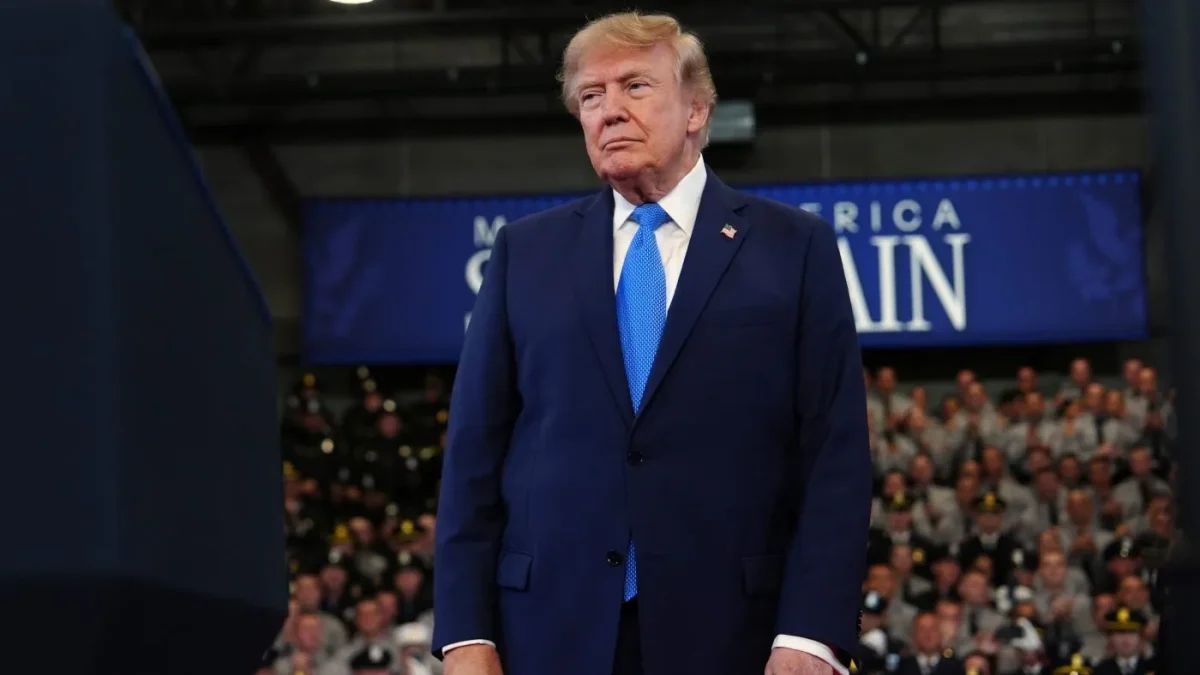
Table of Contents
Trump Proposes Historic Declaration: Strait of Hormuz as American Territory
Provpnadvice.com – During a public address on Long Island, New York, President Donald Trump announced his intention to formally designate the strategically vital Strait of Hormuz as a territory of the United States. This bold proposal comes amid heightened tensions between Washington and Tehran, and represents a significant shift in how the U.S. approaches one of the world’s most critical maritime chokepoints.
The announcement was made during remarks focused on the administration’s broader domestic agenda, particularly efforts to strengthen security and combat criminal activity within American borders. However, the territorial claim extends far beyond U.S. shores, reaching into waters that have long been contested between regional powers.
Geographic and Strategic Significance
The Strait of Hormuz serves as a crucial maritime corridor connecting the Persian Gulf with the Gulf of Oman. This narrow waterway, approximately 33 miles wide at its narrowest point, separates Iran to the north from Oman to the south. The strait’s geographic position makes it indispensable for global energy transportation, as it provides the only sea access for oil and natural gas exports from several Middle Eastern nations.
“Pretty soon, I will be declaring the Hormuz Strait a territory of the United States,” Trump stated during his address.
Approximately 20 percent of the world’s total oil and natural gas production passes through this vital shipping lane daily. This makes the strait’s stability essential for global economic security, and any disruption can send shockwaves through international energy markets.
Questions of Jurisdiction and Authority
Trump’s territorial claim has raised immediate questions about its legal and practical implications. Currently, the Strait of Hormuz operates under shared jurisdiction between Iran and Oman, with both nations exercising varying degrees of control over maritime traffic in their respective waters. The United States does not currently hold formal jurisdiction over the strait, though it maintains significant naval presence in the region.
The president did not provide detailed explanations of how such a declaration would be implemented or what legal mechanisms would support it. Nevertheless, Trump has maintained since the onset of the current conflict approximately six months ago that the United States already exercises control over the waterway.
To reinforce this position, the U.S. has deployed naval blockades in the strait on two separate occasions. These deployments were justified by the administration as necessary measures to assert American supremacy over the transit of oil exports from the Persian Gulf region.
Iran’s Response and Regional Tensions
Iran has firmly rejected Trump’s assertions regarding American control of the strait. In a statement published on the social media platform X on Wednesday, Iran’s Persian Gulf Strait Authority emphasized that ownership claims do not alter the fundamental reality on the ground.
“Whoever owns it does not change the reality: the Strait of Hormuz remains blocked and will not be reopened until Iran’s conditions are accepted,” the authority stated.
The Iranian position reflects the broader geopolitical struggle for influence in the region. Tehran has consistently maintained that the strait falls within its sphere of influence and that any external attempts to assert control must be negotiated through proper diplomatic channels.
Energy Market Implications
The ongoing conflict between the United States and Iran has already produced measurable effects on global energy prices. The strait’s partial closure and the resulting uncertainty have contributed to a significant spike in oil and gas costs across international markets. These price increases affect consumers worldwide, from households paying for heating and transportation to industries dependent on petroleum products.
Trump’s territorial declaration could have far-reaching consequences for energy security and international relations. If implemented, such a move would potentially alter the balance of power in the Persian Gulf and could lead to further diplomatic tensions with both Iran and Oman.
Historical Context and Future Outlook
The United States has maintained a longstanding interest in the Strait of Hormuz, dating back to the Cold War era when American naval forces regularly patrolled the region. However, the current administration’s approach represents a more assertive posture, with direct claims of territorial authority rather than mere presence and protection of shipping lanes.
Legal experts and maritime scholars will likely scrutinize the declaration’s implications in the coming weeks. Questions remain about how such a territorial claim would be enforced, what rights it would grant to the United States, and how it would affect existing international maritime law and agreements.
As the situation develops, the international community will be watching closely to see whether Trump’s bold proposal translates into concrete policy changes or remains primarily a rhetorical statement reflecting American ambitions in the Middle East.
Related Reading
Frequently Asked Questions
What is Trump says he will declare Strait?
Trump says he will declare Strait is the main topic of this guide. The article explains the context, practical details, and next steps readers should understand.
Why does Trump says he will declare Strait matter?
Trump says he will declare Strait matters because readers are looking for a useful answer, not just a short summary. Good content should match search intent and help them decide what to do next.