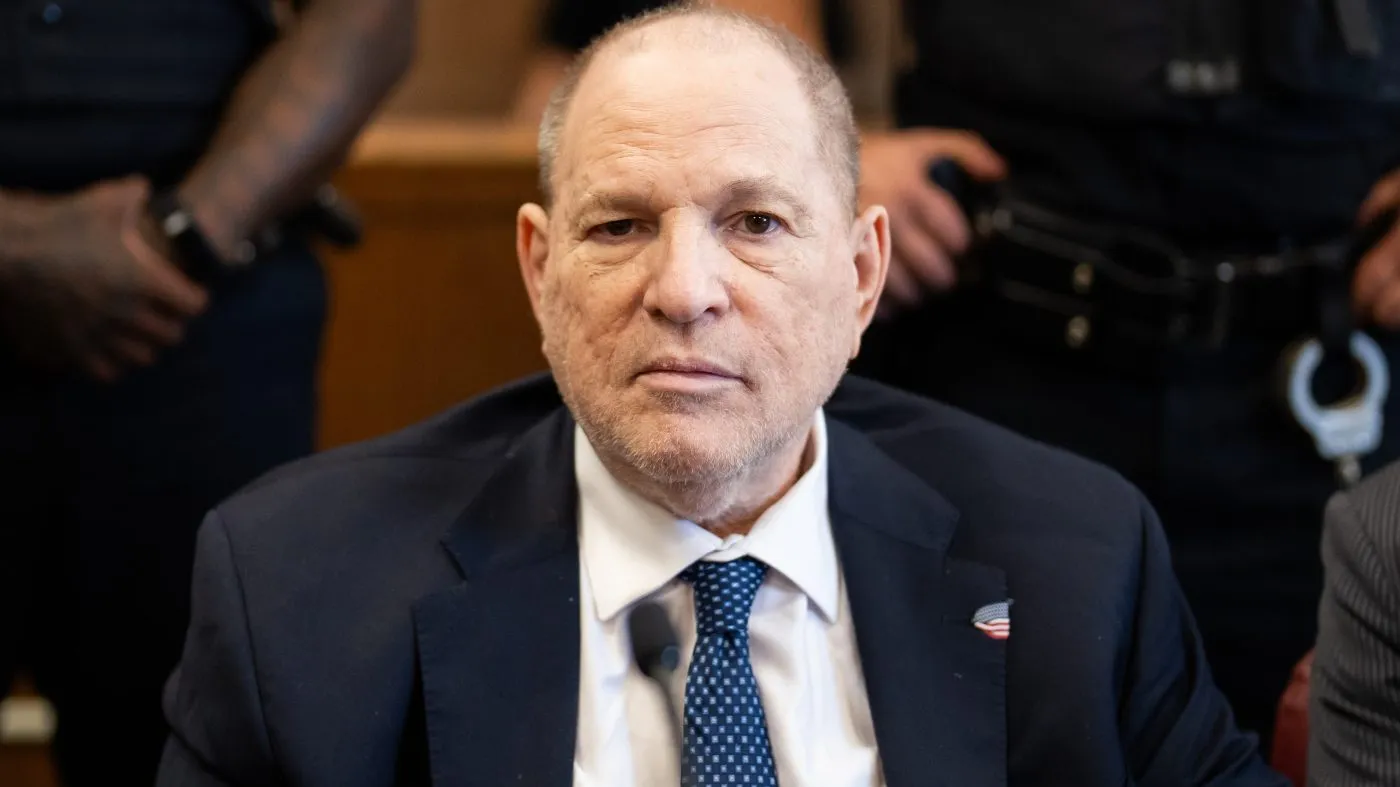
Judge allows forced feeding of accused National Guard shooter

Table of Contents
Federal Judge Green-Lights Tube Feeding for Afghan Accused in Capital Guard Ambush Case
Provpnadvice.com – A federal court in Washington, D.C., has granted the Bureau of Prisons explicit authority to administer nonconsensual nutrition to an Afghan detainee accused of killing a young soldier during a patrol ambush in the nation’s capital. The ruling, issued Saturday by U.S. District Judge Amit Mehta, permits the prison agency to insert feeding tubes and deliver intravenous sustenance to Rahmanullah Lakanwal, who has reportedly stopped eating while held in custody.
The Scope of the Court Order
Mehta’s brief directive is precise in its medical language. It authorizes what the judge described as “nonconsensual nasogastric tube feeding, intravenous feeding, and/or feeding through an already implanted gastrostomy tube as necessary to preserve defendant Rahmanullah Lakanwal’s life or to prevent a foreseeable deterioration in his condition that if not treated is likely to lead to death.” The order frames the intervention not as a preference but as a life-sustaining necessity, tying the prison’s actions directly to the goal of preventing death or irreversible decline.
The feeding regimen will remain in force, per the judge’s language, “until adequate oral intake of food and liquid and adequate acceptance of medical treatment is achieved and defendant’s life is no longer threatened.” The Justice Department holds the option to petition for an extension of the order at least through October 28, meaning the arrangement could persist well beyond that date if Lakanwal continues to refuse oral nutrition.
How the Situation Escalated
The chain of events leading to the court order began in July, when U.S. Marshals Service personnel grew alarmed by what the Justice Department later characterized in court filings as Lakanwal’s “refusal to consume adequate nutrition for an extended period.” Marshals moved to have him hospitalized, and the Department of Justice brought the matter before Mehta in an emergency session that same month.
During that July hearing, the judge observed that the suspect’s health had “deteriorated quite substantially.” Yet less than seven days later, at a separate proceeding, Mehta indicated the picture had shifted, suggesting his condition appeared “to be improving.” No further public details about Lakanwal’s present medical status were immediately available, and his attorneys at the federal public defender’s office had not provided an update as of publication.
The Underlying Charges
Lakanwal faces 17 federal counts stemming from an ambush near Farragut Square Metro Station last November. He is accused of fatally shooting U.S. Army Specialist Sarah Beckstrom, then 20, and wounding U.S. Air Force Staff Sergeant Andrew Wolfe. Both service members were West Virginia National Guard soldiers temporarily deployed to Washington as part of the Trump administration’s expanded urban crime crackdown, a program that has since been extended through January 2029.
Beckstrom succumbed to her wounds on Thanksgiving Day. Wolfe, who sustained a gunshot wound to the head, was scheduled to undergo skull reconstructive surgery the following week, according to a video his mother posted on Facebook on Sunday.
“We are excited for this chapter, this part of the story to be closed,” Wolfe’s mother said. “Then we can really start moving in and knocking out the aphasia, which is the language processing disorder.”
The reconstructive procedure represents a critical juncture in Wolfe’s recovery. Aphasia—a language-processing disorder common after traumatic brain injury—often requires months of intensive speech therapy, and the surgery is intended to create the neurological conditions under which that therapy can take hold.
Legal and Medical Tensions
Lakanwal, who was himself shot during the November altercation before being taken into custody, has entered a not-guilty plea on all 17 charges. Federal prosecutors have not yet signaled whether they will seek the death penalty, a decision that carries profound implications for discovery and medical-records access.
At a recent hearing, Lakanwal’s defense team displayed visible unease over the government’s ability to review his medical files while the penalty question remains unresolved. The tension is understandable: in capital cases, every clinical detail can become trial evidence, and a defendant’s right to privacy over health information collides with the prosecution’s need for complete records. The force-feeding order, by its nature, generates a substantial medical dossier—tube placements, nutritional logs, imaging studies—that will sit alongside whatever records already exist from his gunshot wound and hospitalization.
Broader Context
Forced nutrition in federal custody is not routine, but it is not unprecedented. Courts have repeatedly weighed whether a detainee’s refusal to eat constitutes a valid exercise of bodily autonomy or a situation warranting state intervention to preserve life. The standard typically turns on whether the prisoner’s condition threatens death or permanent disability, a threshold Mehta’s order explicitly invokes. The Bureau of Prisons, which operates federal detention facilities nationwide, must obtain judicial authorization before overriding a prisoner’s refusal of medical treatment, making this ruling a concrete application of that procedural safeguard.
The case also sits at the intersection of two politically charged narratives: the administration’s deployment of National Guard troops to patrol major cities, and the federal government’s handling of a non-citizen accused of killing one of those troops. The extended crackdown through January 2029 means additional Guard members will continue to operate in Washington, keeping public attention on the safety of deployed soldiers and the accountability of those accused of harming them.
As the feeding order takes effect and the October 28 extension window approaches, the courtroom will remain the arena where questions of bodily autonomy, prosecutorial discretion, and the rights of a detained non-citizen converge. For Beckstrom’s family and Wolfe’s family, the legal proceedings offer no comfort, only the slow machinery of justice moving toward a verdict that may or may not include the ultimate penalty.
Related Reading
Frequently Asked Questions
What is Judge allows forced feeding of accused?
Judge allows forced feeding of accused is the main topic of this guide. The article explains the context, practical details, and next steps readers should understand.
Why does Judge allows forced feeding of accused matter?
Judge allows forced feeding of accused matters because readers are looking for a useful answer, not just a short summary. Good content should match search intent and help them decide what to do next.