Mike Rogers calls for 1-year data center moratorium

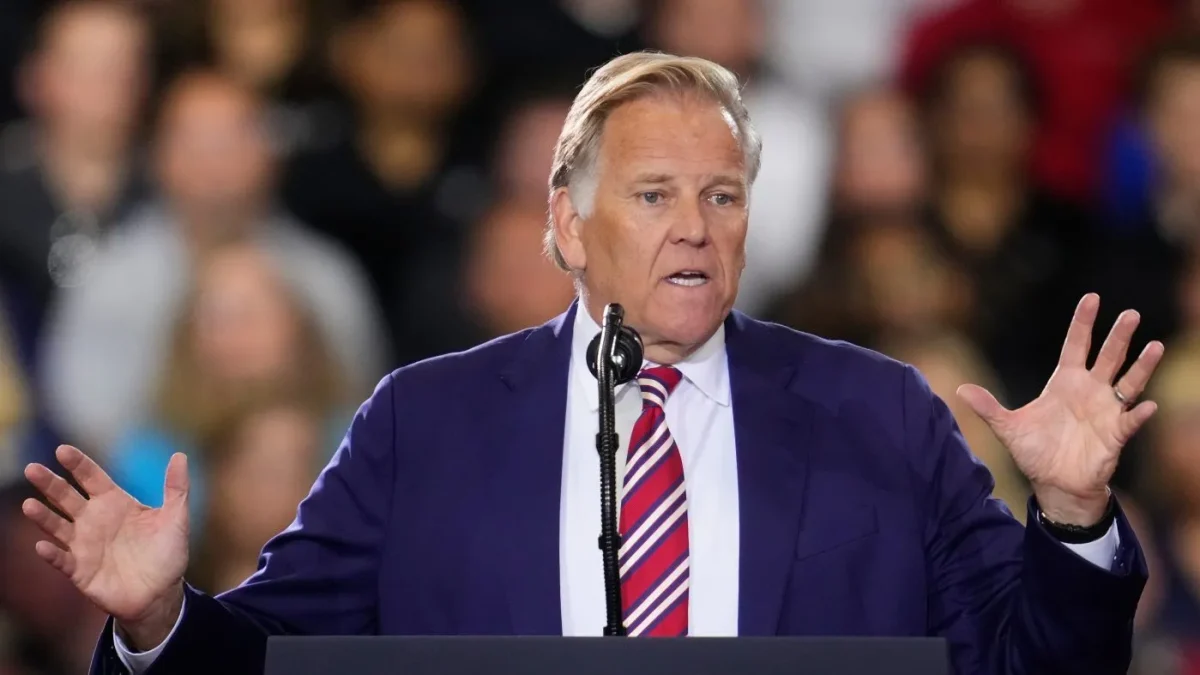
Table of Contents
Data Center Construction Becomes a Flashpoint in Michigan’s Senate Race
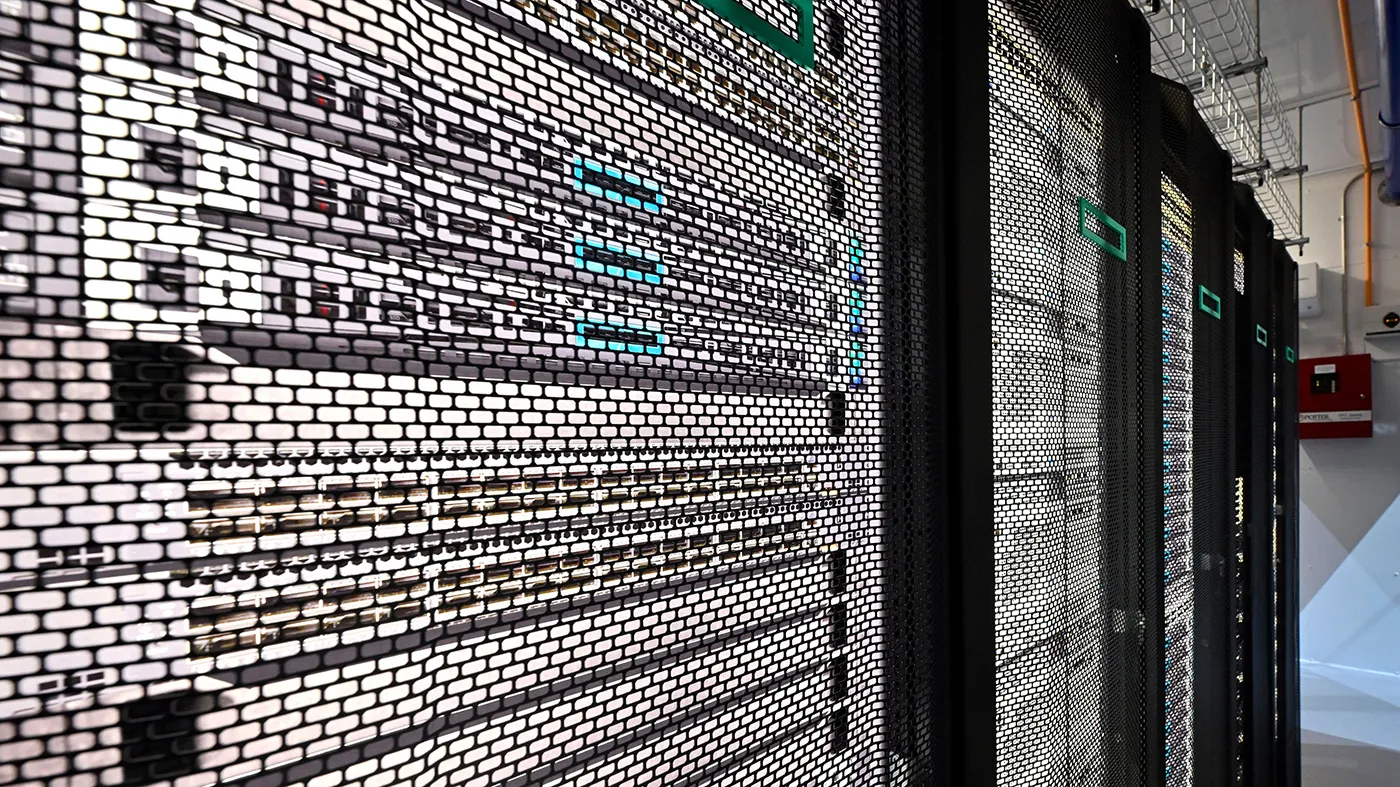
Provpnadvice.com – The server warehouses powering the artificial intelligence boom have crossed a threshold: they are no longer a back-office infrastructure issue but a front-page political weapon. In Michigan, where the next Congress’s Senate balance will hinge on a single seat, both candidates have made the question of who builds what, where, and at what cost to local residents a central campaign issue. The latest escalation came Thursday, when former Representative Mike Rogers, the Republican nominee seeking to unseat retiring Senator Gary Peters, publicly demanded a full year of halted construction on new data centers across the state.
A Yearlong Freeze, Framed as Community Protection
Rogers laid out his position in a written statement, arguing that Michigan should suspend all new data center projects for twelve months. The stated purpose is not to ban the facilities permanently but to buy time for what he described as a fairer, more transparent approval framework that centers the interests of nearby towns and neighborhoods.
“While I don’t support a federal ban, Michigan needs stronger guardrails to protect community control, prevent utility price hikes, protect our water and stop pay-to-play schemes,” Rogers said.
The language is carefully calibrated. By disclaiming a federal prohibition while demanding state-level guardrails, Rogers positions himself as pragmatic rather than obstructionist. Yet the practical effect of a one-year moratorium in a state where multiple gigawatt-scale projects are already in various stages of permitting would be substantial. Developers with multi-year timelines could see their schedules disrupted, and the pause would effectively hand local municipalities a veto window they do not currently possess under existing state law.
The Democratic Counter-Proposal
Rogers’s opponent, Abdul El-Sayed, has been working the data center issue from a different angle. Rather than calling for a blanket freeze, El-Sayed has articulated a set of what he terms “terms of engagement” that any new project must satisfy before receiving approval. Those conditions include obligating developers to absorb any incremental energy costs their facilities impose on the grid and mandating closed-loop cooling systems so that municipal water supplies are not drawn down for server-room temperature management.
“Unless and until we have those terms of engagement at the federal level, I stand with local and state elected officials saying that we cannot approve any more of these until we have federal level guardrails,” El-Sayed told a crowd of local organizers at a construction site in July.
The distinction between the two candidates is narrower than it first appears. Both are, in effect, arguing that the current regulatory architecture is inadequate and that no new projects should proceed until stronger protections are codified. The difference lies in mechanism: Rogers favors a time-limited state-level pause; El-Sayed favors conditional approval tied to specific technical and financial requirements.
Why Michigan Matters to the Senate Tally
The stakes of this particular contest extend well beyond the state’s own energy policy. Democrats require four net pickups to claim the Senate majority in the next Congress. Michigan, currently held by Peters, counts as one of the seats they must retain while also capturing four others. A loss in Lansing would compress the arithmetic to the point where the chamber’s balance could turn on a handful of races in states with far smaller electoral margins. That arithmetic is precisely why both parties have poured resources into the state and why the data center question, once a niche planning topic, now commands prime-time debate slots and paid television spots.
A National Pattern: Ohio and the Broader Midterm Landscape
Michigan is not an isolated case. Across the country, data centers have migrated from engineering briefings into campaign trail conversations as voters grow uneasy about the pace of AI infrastructure buildout. The anxieties cluster around three axes: electricity rates, water availability, and local environmental impact. In Ohio’s tightly watched Senate contest, former Senator Sherrod Brown has made his opponent, incumbent Senator Jon Husted, a target over the latter’s record while serving as lieutenant governor. Brown’s campaign alleges that Husted championed tax incentives designed to lure data center developers into the state, characterizing him as the point man who “led the charge” to bring those facilities to Ohio.
Husted has pushed back by highlighting legislation he introduced last month aimed at ensuring developers bear their proportional share of utility costs rather than passing those expenses onto residential and commercial ratepayers. The exchange illustrates how quickly a technical rate-design question has become a partisan litmus test.
The NRSC Memo and Industry Pressure
Behind the campaign scenes, the National Republican Senatorial Committee sent a private memo this week to major AI companies, warning that if Husted loses Ohio, the Brown campaign’s sustained focus on data centers will calcify public skepticism into a durable political liability for the party. The NRSC urged the firms to make a more compelling public case for their own presence—explaining who benefits from the facilities, who ultimately foots the bill for higher grid costs, and why communities should welcome rather than resist the projects. The memo’s tone suggests that party strategists view the current public-relations posture of the industry as insufficient to counter the narrative now being built by Democratic candidates.
What emerges from these competing positions is not a simple pro- or anti-technology debate. It is a fight over sequencing, accountability, and who bears the costs of an infrastructure buildout that many analysts project will require hundreds of billions of dollars in capital investment over the next decade. The candidates in Michigan, Ohio, and other battleground states are, in effect, asking voters to choose between two answers to the question of how fast the buildout should proceed and under what conditions. The answer they choose will shape not only the next Congress’s composition but the regulatory landscape within which American data centers are permitted, built, and operated for years to come.
Related Reading
Frequently Asked Questions
What is Mike Rogers calls for 1 year?
Mike Rogers calls for 1 year is the main topic of this guide. The article explains the context, practical details, and next steps readers should understand.
Why does Mike Rogers calls for 1 year matter?
Mike Rogers calls for 1 year matters because readers are looking for a useful answer, not just a short summary. Good content should match search intent and help them decide what to do next.