Rogers courts Democrats in Michigan Senate race

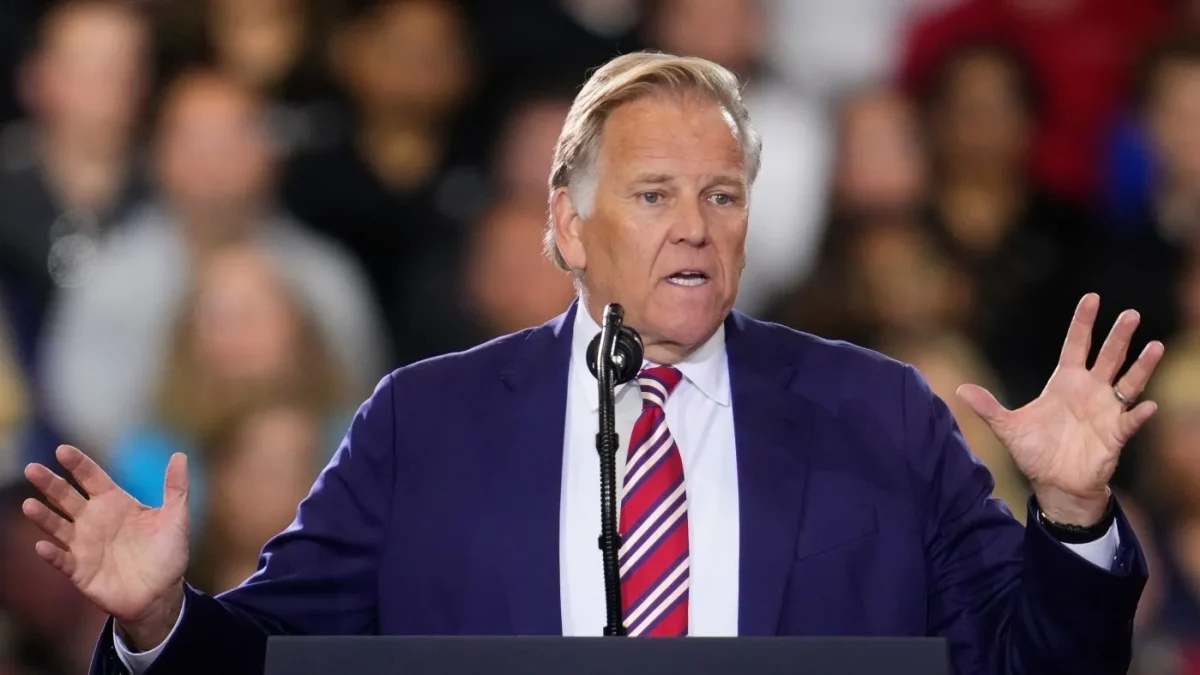
Table of Contents
Cross-Party Alliance Takes Shape in Michigan’s Tightest Senate Contest
Provpnadvice.com – With roughly eight weeks remaining before voters head to the polls, Michigan’s Republican Senate candidate Mike Rogers has formalized an unusual political arrangement: a coalition of Democrats publicly backing his bid for the upper chamber. The “Democrats for Mike Rogers” group was unveiled Thursday at a campaign event, signaling that the race between Rogers and his Democratic rival Abdul El-Sayed has entered a phase where traditional party loyalty is being tested by the sheer intensity of the contest.
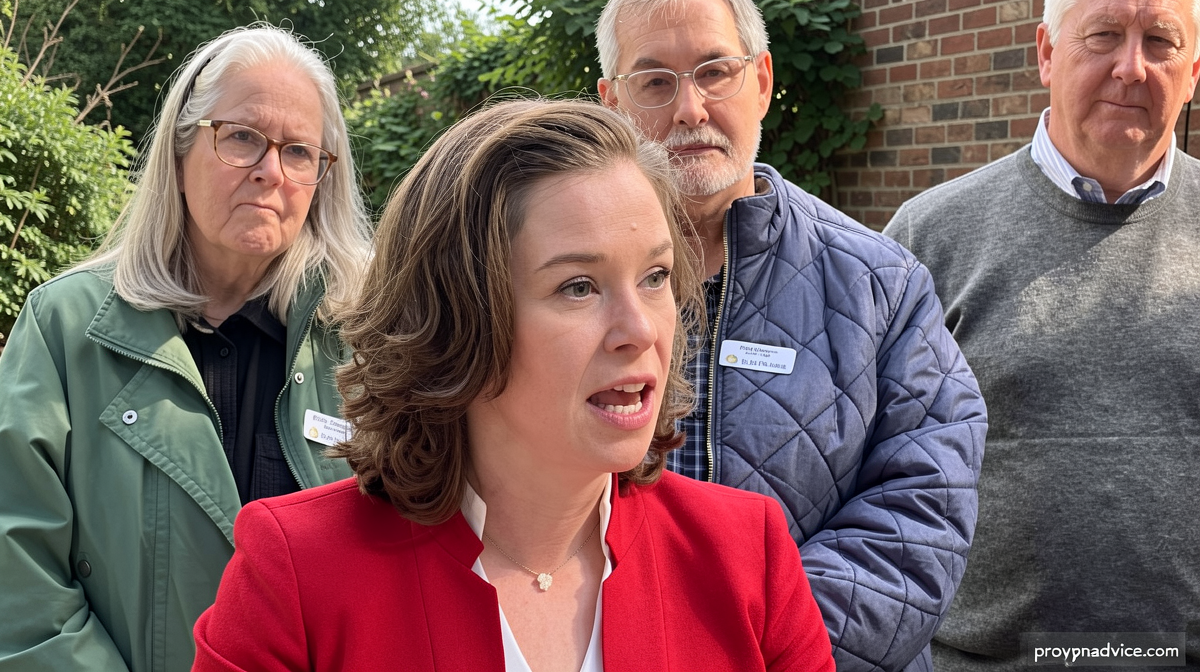
The coalition’s announcement drew a small but pointed group of Democratic attendees, most visibly Michigan state Representative Karen Whitsett (D), who took the stage alongside the Republican nominee. Her presence underscored the coalition’s central premise — that some voters in the Great Lakes state are willing to set aside partisan labels when they believe the stakes demand it.
Rogers Frames the Coalition as a Response to Voter Fatigue
In remarks delivered at the Thursday gathering, Rogers positioned the alliance not as a partisan maneuver but as a practical answer to what he described as widespread exhaustion with polarized politics.
“Michiganders are tired of anger and division, and I don’t think there’s a better representation of that than what you see standing here today.”
He extended the argument by invoking the magnitude of what is at stake in the November vote.
“When the stakes are this high, we put our differences aside, we listen to each other, and we work together. That’s what Michigan needs now more than ever. This election is bigger than Republican versus Democrat, left versus right.”
The Race Context: El-Sayed Leads, Rogers Trails
The coalition launch arrives at a moment when polling consistently shows El-Sayed holding the advantage across the state. The Democrat, a practicing physician, has built his campaign around a progressive economic agenda anchored by Medicare for All and a firm rejection of corporate political action committee money. His platform positions him squarely against the establishment wing of his own party, appealing to voters who view both major parties as captured by special interests.
Rogers, by contrast, enters the contest with the endorsement of President Donald Trump and a résumé as a former Republican member of the U.S. House of Representatives. During his tenure in the lower chamber, he voted against expanding abortion access and championed legislative efforts to dismantle key provisions of the Affordable Care Act. His current campaign leans heavily on national conservative energy while attempting to project a moderate, bipartisan face at the state level — a tension the new coalition is designed to paper over.
Whitsett’s Role and Her Healthcare Argument
Representative Whitsett used her platform at the event to articulate why she would cast her ballot for the Republican nominee despite her party registration. She prefaced her remarks by explicitly disavowing both her legislative title and her party label.
“I’m not standing here as a state representative. I’m not standing here as a Democrat or a Republican, because I’m neither. My bottom line is that I want people to start to understand you need to pick your candidate by your issue. Period.”
Her substantive argument centered on what she characterized as the practical consequences of implementing a single-payer healthcare system. Under the Medicare for All frameworks currently circulating among progressive lawmakers, existing private health insurers — companies such as Blue Cross Blue Shield and Aetna — would be phased out and replaced by automatic enrollment in a universal government-administered program. Whitsett framed that transition as an unacceptable expansion of state control over individual medical decisions.
“Once again, you say you don’t want the government in your business. Well, the government will be controlling your healthcare. They will control your doctors. They will control your medication. They will control your visits. They will control everything. So, if for no other reason, common sense prevails that Mike Rogers is the candidate for you.”
What the Coalition Signals for the Final Stretch
The timing of the announcement — two months before Election Day — suggests Rogers’s campaign believes the race is close enough that incremental shifts in undecided voters could prove decisive. Michigan’s Senate seat carries particular weight in a divided government: the winner will help determine whether the chamber’s majority tilts toward one party’s agenda or the other’s, affecting everything from judicial confirmations to budget priorities.
For El-Sayed’s operation, the coalition presents a messaging challenge. His campaign had not responded to a request for comment on the new Democratic-backed arrangement as of Thursday evening. How his team characterizes the alliance — whether as a sign of desperation on the Republican side or as evidence that the race has become genuinely competitive — will shape the final weeks of advertising and ground game in a state where both candidates are competing for the same pool of independent and moderate voters.
The broader implication is straightforward: when a sitting state legislator from one party publicly pledges her vote to the other party’s nominee, the electorate is being asked to evaluate policy positions in isolation from partisan identity. Whether Michigan voters accept that framing, or view it as a tactical concession dressed in bipartisan language, will likely determine which candidate converts the state’s substantial independent-voter bloc in the weeks ahead.
Related Reading
Frequently Asked Questions
What is Rogers courts Democrats in Michigan Senate?
Rogers courts Democrats in Michigan Senate is the main topic of this guide. The article explains the context, practical details, and next steps readers should understand.
Why does Rogers courts Democrats in Michigan Senate matter?
Rogers courts Democrats in Michigan Senate matters because readers are looking for a useful answer, not just a short summary. Good content should match search intent and help them decide what to do next.