Nvidia launches corporate PAC, expanding Washington footprint

Table of Contents
Nvidia’s Employee-Funded PAC Signals a New Chapter in Silicon Valley’s Washington Push
Provpnadvice.com – The chipmaker that has become the most valuable company on Earth is now formalizing its political muscle in the capital. Nvidia filed a statement of organization on Thursday to establish what it calls the Nvidia Corporation Employees Federal Political Action Committee — a super PAC that will draw its war chest from the wallets of eligible company employees, each of whom may contribute up to $5,000. The move places the Santa Clara-based firm squarely inside the machinery of federal election spending, a space already occupied by several of its peers.
How the PAC Works
Unlike traditional corporate PACs that pool money from company coffers, this vehicle relies on voluntary employee contributions. Donations will be itemized in filings submitted to the Federal Election Commission, meaning the public will be able to trace exactly which Nvidia workers are putting money behind candidates and causes. The company did not immediately respond to requests for comment on the initiative.
The structure mirrors a trend that has accelerated across the tech sector over the past two years. Anthropic, the AI research lab behind Claude, launched its own employee-funded vehicle in April under the name “AnthroPAC.” Within its first few months, that committee collected more than $350,000 from staff, and by the close of July it held over $276,000 in available funds, per spending records. Alphabet’s Google, Microsoft, and Amazon each maintain similarly structured employee PACs, giving their workforces a direct channel into campaign finance without the company itself writing checks.
A CEO Who Became Washington’s Favorite Tech Voice
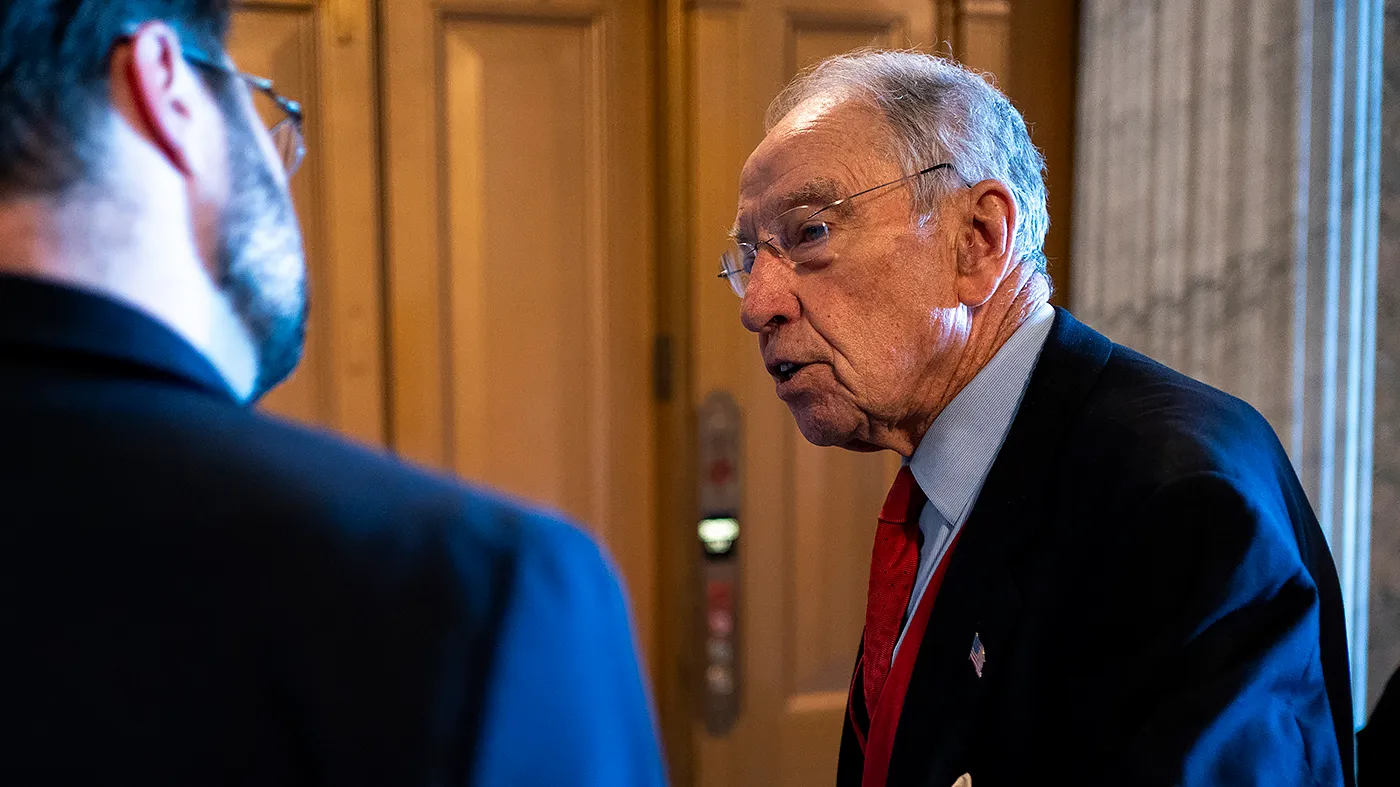
The PAC launch is the latest institutional step in a relationship that has deepened sharply between Nvidia’s chief executive, Jensen Huang, and the current administration. Huang cultivated a close rapport with President Trump beginning at the start of the second term, and throughout the year he has met repeatedly with administration officials and members of Congress as lawmakers wrestle with how to regulate artificial intelligence.
The personal dynamic carries a surprising twist. Despite Huang’s status as the helmsman of one of the most valuable corporations in the world, Trump has said publicly that he did not know who Huang was until recently. That admission underscores how quickly the chipmaker’s political relevance has outpaced its earlier profile in the capital.
The Chip-Export Gambit
The political alignment between Nvidia and the White House was forged in the crucible of semiconductor trade policy. When the Biden administration tightened export controls on advanced chips, Huang and his company pivoted to embrace Trump’s stated openness to helping American products reach foreign markets. The payoff arrived late last year in two distinct transactions:
First, Trump reversed course and permitted Nvidia to sell its H20 processors — chips originally designed with U.S. export restrictions in mind — to China, with the company agreeing to a 15 percent revenue cut as the price of access. Shortly thereafter, the president cleared a second deal allowing Nvidia to ship its more powerful H200 chips to the Chinese market, this time for a 25 percent cut of revenue. Both approvals represented significant commercial wins for a company whose quarterly earnings are heavily dependent on Asian data-center demand.
Open Source, Cybersecurity, and the China Question
Beyond trade, Huang has staked out a position on the future architecture of American AI. Amid a string of cybersecurity incidents tied to AI systems and intensifying competition with Chinese model developers, the Nvidia chief has become an advocate for more open-source model development within the United States. Last month, the company launched a new industry alliance designed to let multiple firms collaborate on open-source cybersecurity tools — a move that positions Nvidia not only as a hardware supplier but as a coordinator of the broader software ecosystem.
Why This Matters to Voters and Markets
For readers tracking the intersection of technology and politics, the PAC’s creation is a signal that Nvidia intends to influence the regulatory and trade debates shaping its next decade of growth. The company’s revenue is inextricably linked to questions about chip exports, AI oversight, data-center energy policy, and the competitive posture toward China — all issues that will dominate congressional agendas in the coming election cycle.
By channeling employee contributions through a federally registered committee, Nvidia gains a compliant, transparent mechanism to back candidates and ballot measures aligned with its commercial interests, while keeping corporate treasury funds outside the direct campaign-finance pipeline. The $5,000 per-employee ceiling is generous enough to allow meaningful aggregate contributions given the company’s workforce size, yet modest enough to preserve the appearance of grassroots participation.
The broader pattern is unmistakable: the largest technology firms are converting their internal talent pools into political infrastructure. Whether that translates into outsized influence on AI regulation, export policy, or cybersecurity legislation remains to be seen. What is clear is that the capital’s tech lobby has just grown one of its most consequential members.
Related Reading
Frequently Asked Questions
What is Nvidia launches corporate PAC expanding Washington?
Nvidia launches corporate PAC expanding Washington is the main topic of this guide. The article explains the context, practical details, and next steps readers should understand.
Why does Nvidia launches corporate PAC expanding Washington matter?
Nvidia launches corporate PAC expanding Washington matters because readers are looking for a useful answer, not just a short summary. Good content should match search intent and help them decide what to do next.