White House official defends Argentina’s use of Falklands banner

White House Representative Supports Argentina’s Falklands Display at World Cup
First Amendment Defense for National Team’s Statement
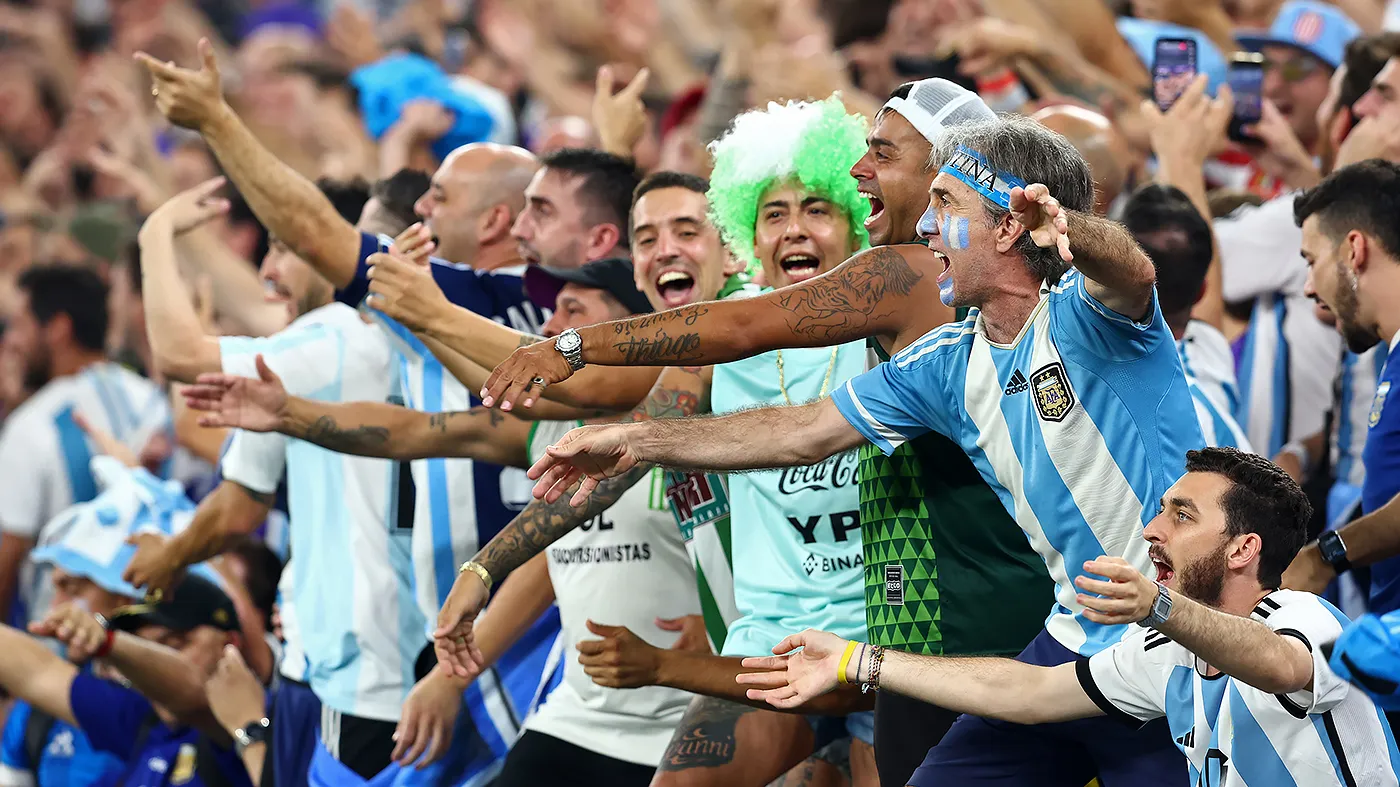
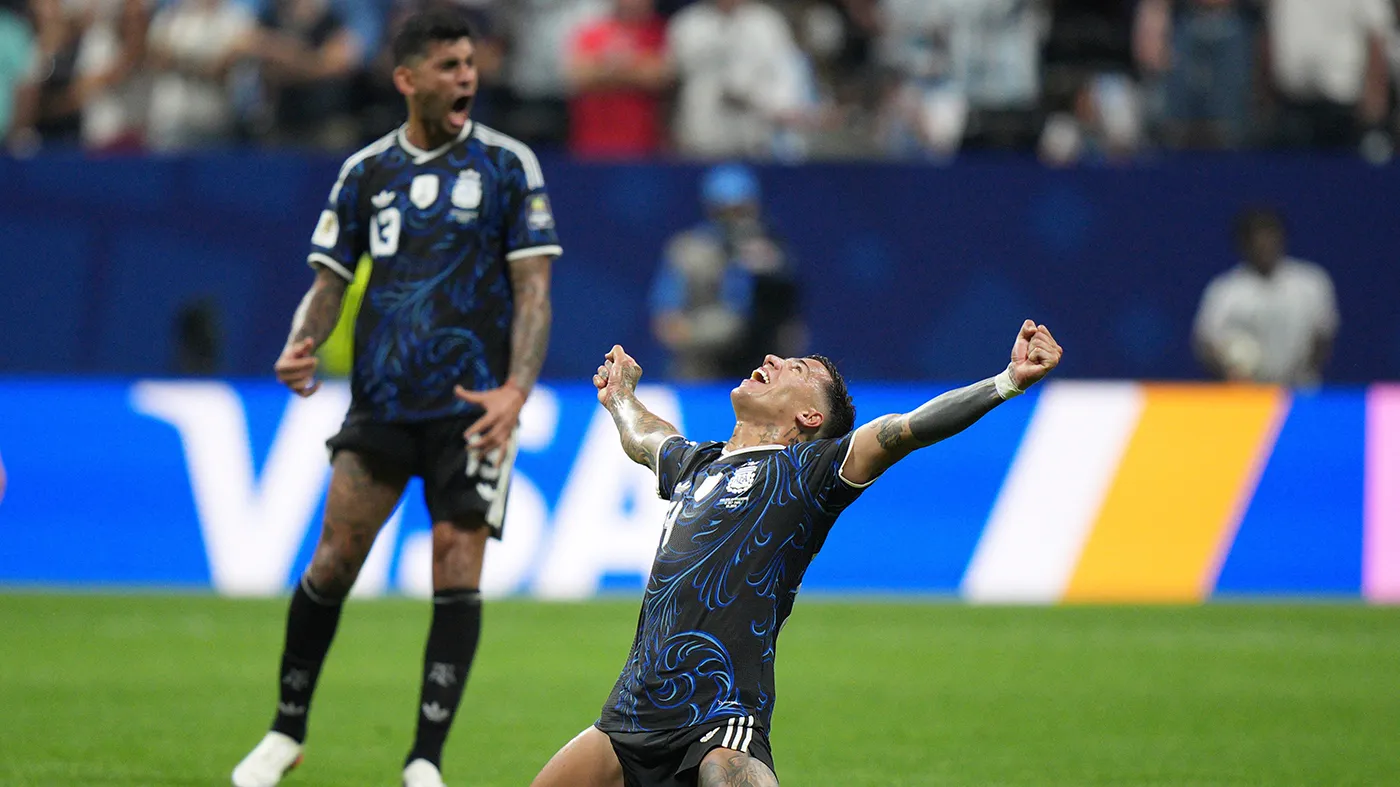
Provpnadvice.com – Andrew Giuliani, who serves as the executive director of the White House’s World Cup task force, publicly supported Argentina’s national soccer squad following their semi-final victory against England. The South American team brought out a large banner during their celebrations that declared their territorial claim over the Falkland Islands, a territory that has generated diplomatic friction between Argentina and the United Kingdom for decades.
The banner featured the Spanish phrase “Las Malvinas son Argentinas,” which translates to “The Falklands are Argentine.” According to Giuliani, the players exercised their constitutional rights by displaying this message during the tournament. He emphasized that American values support such expressions of national identity.
“We believe in our First Amendment rights here in the United States of America,” Giuliani explained to Sky News reporters during a press conference. “In terms of the ability and opportunity to be able to make those statements, they have the ability to do that in the United States.”
Banner Origins and Territorial Significance
The banner originated with supporters in the stands before players retrieved it and carried it onto the pitch during post-match festivities. This visual statement represented Argentina’s enduring position regarding the self-governing British Overseas Territory located in the South Atlantic Ocean. The territory carries different names depending on which side of the Atlantic you are speaking: the British refer to it as the Falklands, while Argentines call it Las Malvinas.
The dispute over these islands dates back many years, with Argentina maintaining that the territory rightfully belongs to them based on historical and geographical claims. The Falklands have been under British administration since 1833, though Argentina has never formally relinquished its claim to sovereignty over the islands and their surrounding waters.
British Political Response and FIFA Criticism
Following Argentina’s victory, several British politicians voiced their displeasure with how tournament organizers handled the situation. FIFA maintains a stadium code of conduct that prohibits political banners and other materials containing political messages from being displayed inside tournament venues. Critics argued that the Argentine banner violated this regulation.
Ed Davey, the leader of the Liberal Democrats, was particularly vocal in his criticism. He suggested that the incident revealed fundamental problems within FIFA’s organizational structure. Davey took to the social media platform X to express his views, writing that the organization’s issues had “gone too far.” He attributed much of the problem to FIFA president Gianni Infantino, claiming that “political greed has completely broken the game we love.”
“The rot at FIFA has gone too far,” Davey wrote on the social platform X. “Under Infantino, political greed has completely broken the game we love.”
In a video message shared on social media, Davey characterized the banner as “highly provocative” and criticized FIFA for what he described as “sluggish inaction” regarding Argentina’s “stunt.” He argued that this year’s World Cup had “laid bare how utterly broken it is.”
Official Positions from Both Nations
A spokesperson for UK Prime Minister Keir Starmer addressed the situation when speaking to reporters. The statement affirmed Britain’s unwavering commitment to the Falkland Islands while acknowledging that the tournament had been enjoyable overall. The spokesperson noted that “The World Cup might not be ours, but the Falkland Islands definitely are.”
“Our position is unchanged. Self-determination rests with the islanders, and our commitment to the Falklands will never waver,” the spokesperson said. “More broadly, potential action is a matter for FIFA, but it’s been a fantastic World Cup, and we’ve said throughout that politics should stay out of football.”
Meanwhile, Argentina’s vice president Victoria Villarruel publicly endorsed her national team’s actions. She shared a photograph on social media showing the players holding the banner alongside her message of support. Villarruel wrote that the Falklands are Argentine and noted that while authorities had banned fans from bringing the banner into the stadium, they had overlooked the fact that Argentines “carry them in our blood and our hearts.” Her statement, originally posted in Spanish and later translated to English, resonated with many supporters who view the territorial claim as deeply personal and historically significant.
The incident highlights the ongoing tension between sporting events and political expression, as well as the different perspectives that nations bring to international competitions. While the White House emphasized American values of free expression, British officials focused on maintaining the integrity of tournament regulations and affirming their support for the Falkland Islanders’ right to self-determination.