Trump on World Cup visa disputes: ‘We’re working … to make sure the right people’ come in


Trump on World Cup visa disputes: ‘We’re working … to make sure the right people’ come in
Provpnadvice.com – President Donald Trump addressed concerns over visa challenges for FIFA World Cup participants during a Wednesday meeting in the Oval Office. He stated that the administration is actively examining the matter, emphasizing its commitment to ensuring only appropriate individuals are granted entry into the United States. The remarks came in response to a reporter’s question about whether the process for securing visas for international athletes was becoming more complicated.
Visa Disputes and Political Context
During the discussion, the reporter highlighted that some athletes were expressing worry about the difficulty of obtaining visas to compete in the tournament. Trump responded with confidence, reiterating that the U.S. is closely monitoring the situation to uphold its standards. He later confirmed his intention to attend select matches, signaling a personal interest in the event despite the administrative hurdles.
The visa controversy has affected multiple participants, including Somali referee Omar Artan, who was set to officiate at the World Cup. Artan was granted a U.S. visa last week but faced rejection on Monday when attempting entry. U.S. Customs and Border Protection cited “vetting concerns” as the reason for his denial, though the specific details of the review remain unclear. This incident has sparked questions about the fairness of the visa process and its impact on global sports events.
Reactions from the Somali and Iranian Communities
Omar Artan, a respected figure in African football, returned to Mogadishu on Wednesday after being denied entry. He was welcomed as a hero by local fans, who expressed hope that he would continue his career in the next World Cup. “I promise you, God willing, that I will attend the next one,” Artan said from Somalia’s airport, vowing to maintain his resolve despite the setback. His comments reflect a determination to persevere in the face of political challenges.
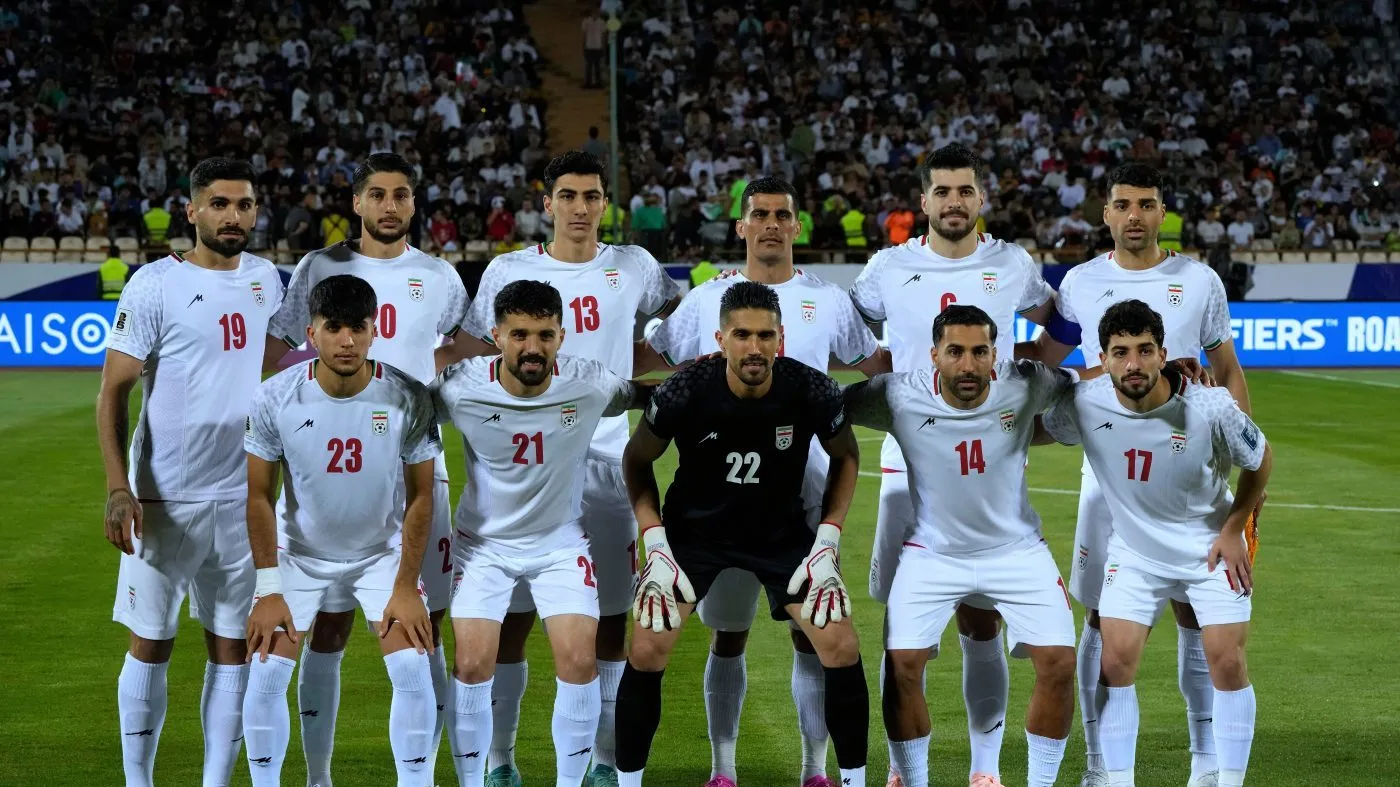
Meanwhile, Iranian forward Mehdi Taremi voiced frustrations about the visa tensions during a conversation with ESPN. He noted that the situation had created a “lot of tension” for athletes denied entry into the U.S. Taremi’s team arrived in Mexico on Sunday after departing from Antalya, Turkey, earlier that day. The Iranian squad had chosen Mexico as their host country due to the ongoing diplomatic friction with the U.S., which escalated on Wednesday with renewed strikes.
Taremi described the unique atmosphere of the World Cup, where the host nation typically fosters a spirit of camaraderie. However, he said the current environment felt different, with anxiety and apprehension permeating the air. “You feel it in the atmosphere and unfortunately, it’s because of actions like [visa denials],” he explained through a translator. “Maybe that’s just my personal feeling.” His words underscore the emotional toll of these bureaucratic obstacles on athletes.
Global Impact and Future Implications
The visa disputes have raised concerns about the broader implications for international sports collaborations. FIFA, the governing body of global football, clarified that it was not involved in the immigration decisions and assured that Artan’s status would remain unchanged. The organization issued a statement on his behalf, highlighting his positive outlook and focus on advancing his refereeing career.
Despite the visa challenges, the Iranian team’s itinerary remains intact. They are scheduled to compete against New Zealand on June 15 and Belgium on June 21 in Inglewood, California, just south of Los Angeles. A subsequent match against Egypt will take place in Seattle on June 26. These fixtures are part of the World Cup’s schedule, which includes teams from diverse regions and backgrounds.
Political tensions between the U.S. and Iran have played a significant role in shaping the visa landscape. Mexican President Claudia Sheinbaum had previously pledged support for the Iranian team, stating that her country would host them to ease the burden of the U.S.-Iran conflict. This decision reflects the diplomatic efforts to maintain smooth participation in the tournament despite international disputes.
Conclusion and Outlook
As the World Cup progresses, the visa issues continue to cast a shadow over the event. While Trump and his administration maintain that they are addressing the concerns, the denial of entry for Artan and others highlights the complexities of international travel during politically charged times. The situation has prompted discussions about the balance between national security and the seamless exchange of athletes across borders.
For the Somali and Iranian communities, the denials represent more than just administrative decisions—they are symbolic of the broader geopolitical climate. Artan’s return to Somalia and Taremi’s continued participation in Mexico both serve as testaments to the resilience of athletes and the enduring appeal of the World Cup. As the tournament unfolds, the focus will remain on the players and officials on the field, even as off-field challenges persist.
The administration’s efforts to streamline the visa process will be closely watched by sports organizations and athletes alike. With the World Cup drawing global attention, any delays or complications in entry can affect the overall experience for participants and fans. As the next matches approach, the hope is that these issues will be resolved, allowing the spirit of the game to thrive without interruption.