Trump called FIFA chief to review red card against Team USA’s Balogun in World Cup

Trump Calls FIFA President to Contest Red Card Against Team USA’s Balogun in World Cup
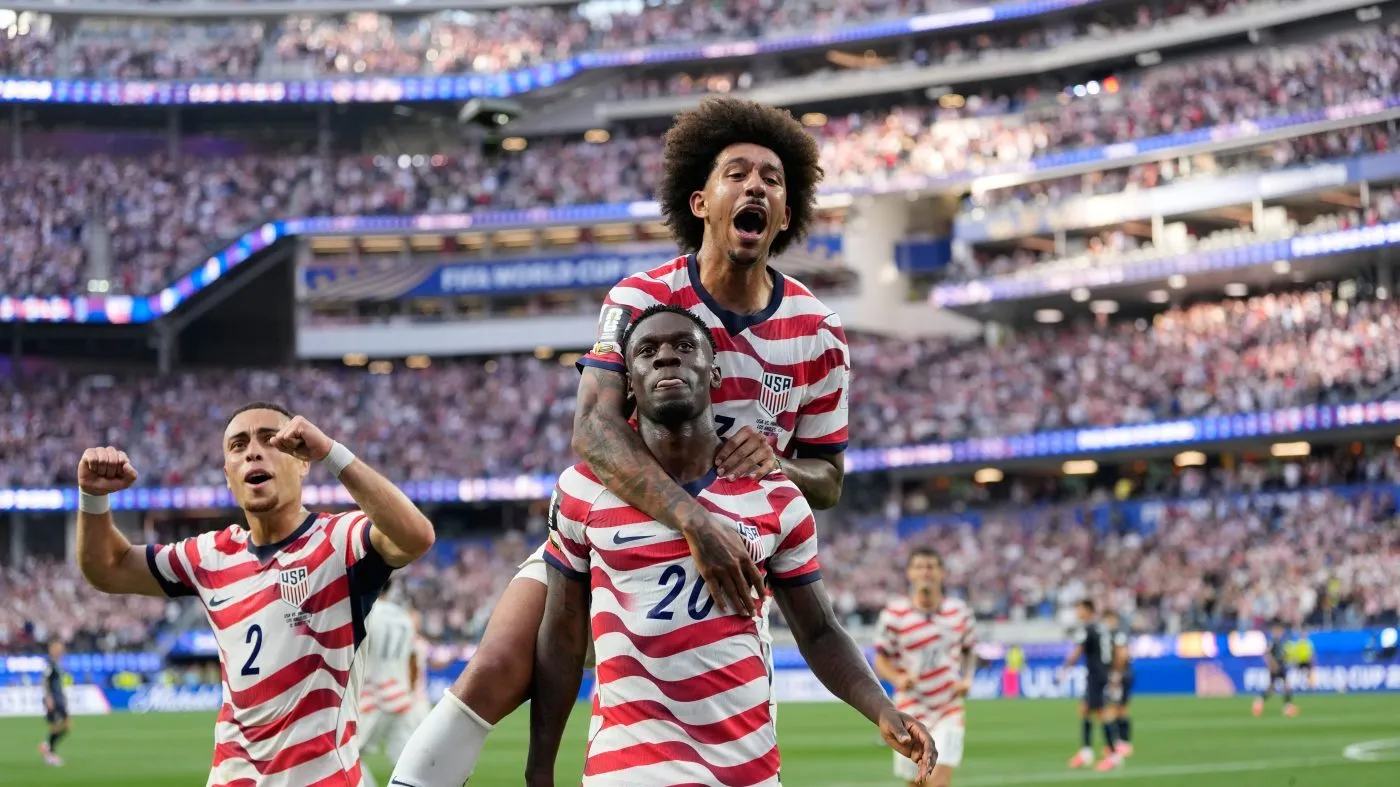
Provpnadvice.com – President Donald Trump has taken direct action to challenge the decision by FIFA officials to issue a red card to U.S. defender Folarin Balogun during the team’s clash with Bosnia and Herzegovina. According to a White House representative familiar with the call, Trump reached out to FIFA President Gianni Infantino to discuss the incident, which occurred during a 2-0 victory for the Americans on Wednesday. The intervention comes as FIFA announced on Sunday that Balogun’s one-game suspension for the upcoming Round of 16 matchup against Belgium would be lifted, allowing him to participate in the match set for 8 p.m. EDT at Lumen Field in Seattle.
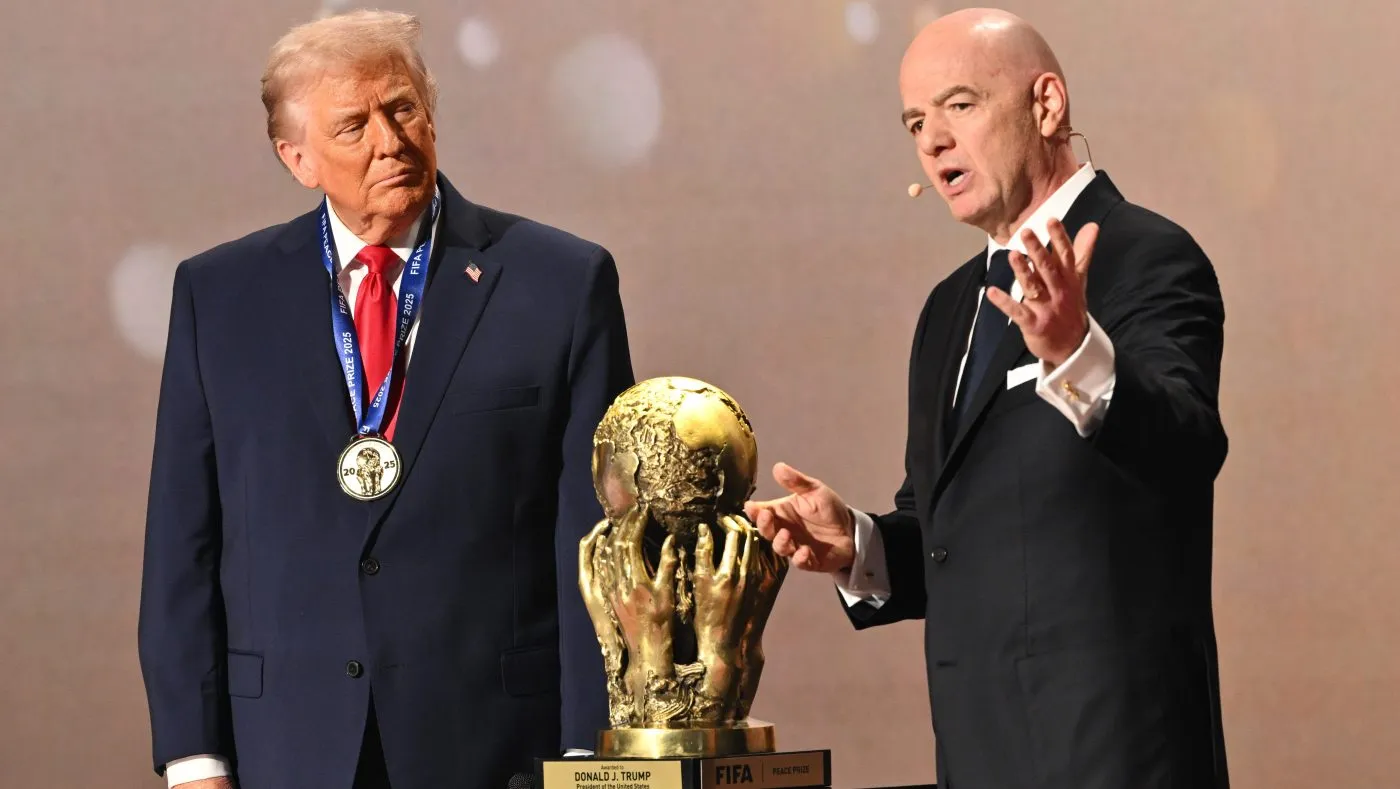
The red card was handed to Balogun for fouling Bosnia and Herzegovina’s Tarik Muharemovic, a decision that sparked immediate controversy. Trump, who previously received the inaugural FIFA Peace Prize in December, seized the opportunity to voice his support for the U.S. player in a post on his social media platform, Truth Social. In the message, he praised FIFA for reversing what he called a “great injustice,” signaling his belief that the punishment was overly harsh and not aligned with the spirit of the game.
FIFA’s Statement on the Suspension Reversal
FIFA clarified in a Sunday statement that its Disciplinary Committee had opted to suspend the enforcement of Balogun’s one-game ban for a “probationary period of one year.” The decision highlights the flexibility of FIFA’s rules, which allow for adjustments to previously imposed sanctions under certain circumstances. The statement emphasized that Article 27 of the FIFA Disciplinary Code permits the committee to revoke or defer penalties, though Article 66.4 explicitly mandates an automatic suspension for a red card in the next match.
Belgium’s football association expressed surprise at the reversal, stating it was “astonished” by the outcome. In a press release, the organization noted that the decision could set a precedent for future disciplinary actions, potentially undermining the consistency of FIFA’s rulings. “We’re not defending the national team or federation, we are defending football,” said a Belgian representative, underscoring the broader implications of the move.
“FIFA bases its decision on Article 27 of the FIFA Disciplinary Code. This provision states that the FIFA Disciplinary Committee may decide to suspend the enforcement of a previously imposed disciplinary sanction. However, Article 66.4 of the same FIFA Disciplinary Code clearly provides that a red card automatically results in a suspension for the team’s next match, as has been the case for all previous red cards issued during this FIFA World Cup.”
Belgian head coach Rudi Garcia, speaking in a Sunday press conference, reacted with a mix of frustration and humor. “I didn’t know that at the World Cup, the 5th of July is actually the first of April,” he quipped in translated French, referencing the unexpected reversal as a form of “April Fools” trickery. The comment reflected the coach’s disbelief at the decision, which he argued had been made without due consideration of the rules.
Team USA’s Position and Previous Precedents
Team USA’s management could not appeal the red card decision, but FIFA’s disciplinary committee retains the authority to alter its rulings after a review. This situation echoes past instances where red cards were deferred, such as the case involving Portuguese star Cristiano Ronaldo. In November, FIFA postponed the final two games of a three-match suspension for Ronaldo, enabling him to compete in the 2022 World Cup without interruption. Similarly, suspensions for Nicolás Otamendi and Ecuadoran midfielder Moisés Caicedo were also deferred, allowing both players to participate in the tournament.
These precedents suggest that FIFA’s disciplinary process is not rigid, especially when high-profile players are involved. However, the reversal of Balogun’s suspension raises questions about the fairness and transparency of the organization’s rulings. While the decision may benefit Team USA, it could also be seen as a strategic move to align with Trump’s growing influence over FIFA’s operations.
Trump’s Relationship with FIFA and the Peace Prize
Infantino’s decision to award the FIFA Peace Prize to Trump in December reflects the close ties between the two leaders. The honor, created ahead of the 2026 World Cup, was presented as a recognition of Trump’s efforts in promoting global unity through sports. “You definitely deserve the first FIFA Peace Prize for your action, for what you have obtained in your way, but you obtained it in an incredible way,” Infantino stated during the ceremony, highlighting the symbolic value of the award.
Trump’s call to Infantino underscores his active role in influencing FIFA’s decisions. By intervening in the Balogun case, the president has demonstrated his commitment to ensuring that U.S. players are treated favorably in international competitions. The reversal of the suspension not only provides a tangible benefit to the team but also reinforces the idea that political connections can play a significant role in shaping outcomes within the sport’s governing body.
The incident has sparked a debate about the balance between fairness and favoritism in FIFA’s disciplinary process. While the organization maintains that its decisions are grounded in the code, critics argue that the leniency shown to Balogun may signal a shift in priorities. For Team USA, the lifted suspension could be a crucial advantage in their Round of 16 showdown, but for the Belgian team, it represents a potential setback in maintaining the integrity of the tournament.
As the World Cup progresses, the case of Balogun and the broader implications of Trump’s involvement will likely remain a topic of discussion. The ruling highlights how high-stakes moments in sports can intersect with politics, raising questions about the future of disciplinary decisions and the role of leaders like Trump in shaping them. With the U.S. facing Belgium in the next match, the outcome of this controversy may have a direct impact on the team’s performance, adding an extra layer of significance to the game.
FIFA’s willingness to revisit its decision has also drawn attention to the evolving nature of its rules. While the code remains a foundational document, the ability to suspend or modify penalties underscores the organization’s adaptability. This flexibility, though valuable, may lead to perceptions of inconsistency, especially when applied to different players or teams. As the tournament continues, the balance between strict enforcement and diplomatic adjustments will remain a central theme in FIFA’s governance.
The Balogun case serves as a microcosm of the larger dynamics at play in international sports. It illustrates how political relationships can influence administrative decisions and how such interventions can spark both support and skepticism among fans and officials. With Trump’s influence evident in FIFA’s actions, the future of the organization’s rulings may be seen through a new lens—one that blends sport and politics in an increasingly intertwined relationship.