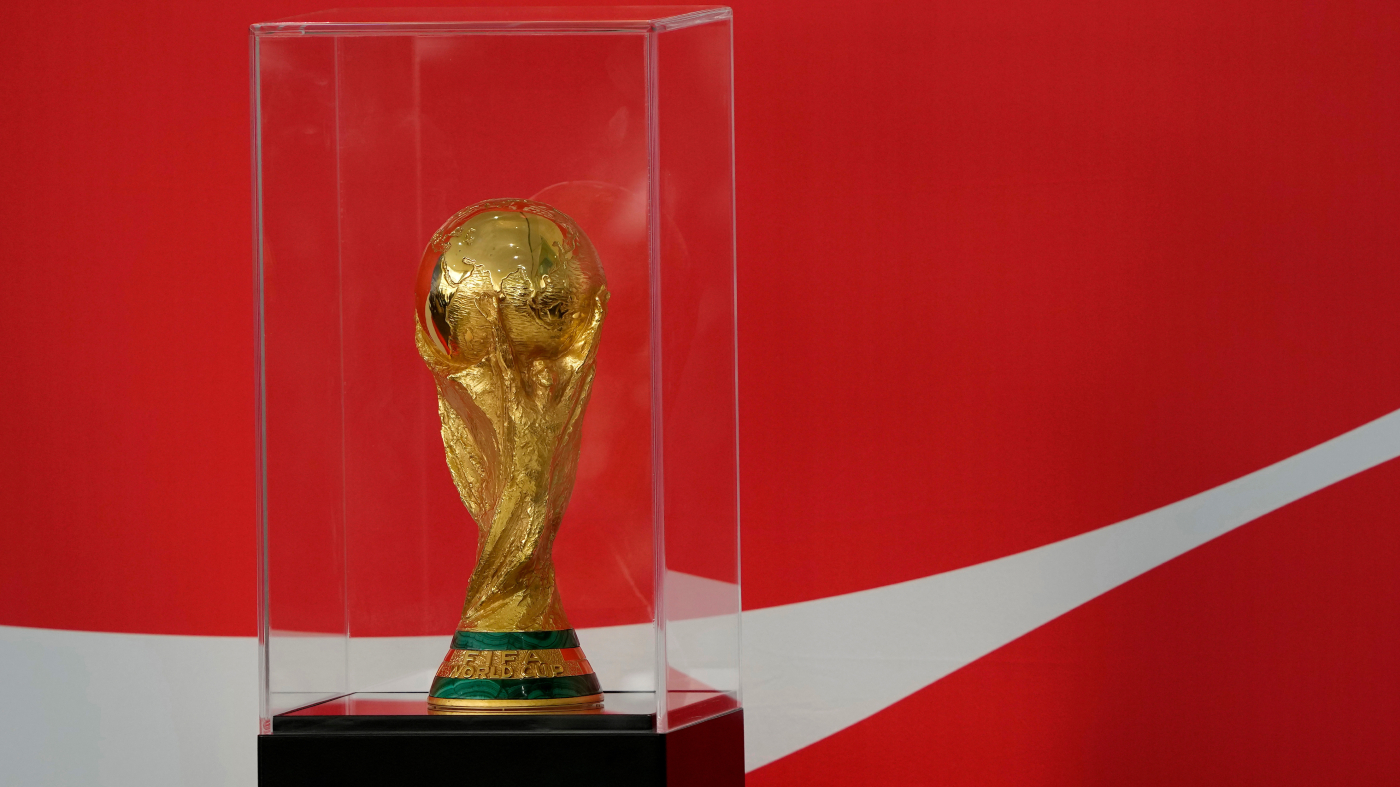
Seattle Times sports columnist resigns over spiked trans athlete story

Table of Contents
Seattle Times Columnist Matt Calkins Steps Down After Paper Blocks Transgender-Athlete Essay
Provpnadvice.com – Matt Calkins, who spent eleven years writing sports columns for The Seattle Times, announced his resignation on Thursday after the newspaper refused to publish a piece examining how transgender athletes fit into women’s competition. The departure marks a sharp public rupture between a veteran columnist and his employer over editorial judgment, and it lands amid an already heated national debate about gender, eligibility, and fairness in organized sport.
“After 11 years as a sports columnist at the Seattle Times, I have decided to resign. It was entirely my choice, and it was not an easy one. The impetus was the Times declining to run a column I wrote from the perspective of two female student athletes who were opposed to competing against biological males.”
Calkins made the announcement in a social media post, explaining that the blocked essay was merely the latest in a series of pieces the paper had quietly pulled from publication. He said the cumulative effect left him feeling unable to fulfill his role as a columnist in good conscience.
“It was one of several pieces of mine that had been spiked, and I no longer felt like I could properly do my job as a columnist.”
The Column That Sparked the Split
In a follow-up essay published on his Substack newsletter, Calkins laid out the backstory. Ahead of a July matchup between the WNBA’s Seattle Storm and the Indiana Fever, he had been interviewing attendees at a public rally supporting Fever forward Sophie Cunningham. Cunningham, who has publicly backed state-level legislation aimed at limiting transgender athletes’ access to youth-sport categories, had drawn national attention for her political commentary on the issue.
Among the rally participants Calkins spoke with were two young female student-athletes. One, a sixteen-year-old track competitor, recounted being beaten by a transgender athlete in a race. The other described enduring what she called daily verbal abuse after declining to compete against a biological boy. Both, however, clarified afterward that their objections were aimed at the competitive structure, not at transgender people as a group.
“So that was the thesis of my column … that supporting the separation of biological females and males doesn’t automatically make you transphobic, so let’s stop throwing those labels around.”
The Times, when reached for comment on the resignation, declined to discuss personnel decisions. The paper offered no further explanation for why the column was withheld.
A Broader Storm in Women’s Professional Sport
Calkins’s departure does not exist in a vacuum. Over recent weeks the WNBA has become a focal point for escalating cultural friction intersecting questions of gender identity, racial equity, and competitive fairness. Sophie Cunningham’s outspoken advocacy for state-level restrictions on transgender participation in youth athletics placed her squarely at the center of that friction, drawing both praise and backlash from across the sports-media landscape.
The controversy intensified on August 8, when former NBA center Enes Kanter Freedom announced his intention to enter the 2027 WNBA Draft. Freedom, who transitioned from male to female after his professional basketball career, framed the declaration as a pointed commentary on eligibility standards.
“After careful consideration and reviewing the current eligibility guidelines, I’m officially declaring myself a @WNBA prospect. If simply declaring who you are is all that’s required, then I meet every single requirement necessary to compete in the WNBA.”
The same day, The Associated Press reported that the WNBA intended to assemble a task force charged with examining how transgender athletes might participate in the league going forward. The announcement underscored that the league’s front office views the question as unresolved and likely to generate further public scrutiny.
What the Resignation Signals
For readers following the intersection of sports journalism and culture-war politics, Calkins’s exit raises questions about editorial independence at major metropolitan dailies. A columnist with more than a decade of tenure describing multiple pieces as “spiked” suggests an internal editorial climate in which certain perspectives on gender and competition are treated as too contentious for print. Whether that climate reflects reader demographics, advertiser pressure, or institutional risk-aversion remains unclear, but the columnist himself framed it as a matter of professional integrity: he could no longer write the columns he believed his audience needed while knowing some would never see publication.
The broader implications extend beyond one newspaper. As transgender-athlete eligibility rules continue to evolve at the state, collegiate, and professional levels, sports writers will face increasing pressure to take sides in debates that carry significant political and commercial stakes. Calkins’s decision to leave rather than self-censor sets a visible precedent, however small, for other journalists navigating the same terrain.
Calkins closed his Thursday post on a conciliatory note, stating he harbored “no animosity toward anyone who works” at The Seattle Times. The eleven-year relationship, however, ended not with a handshake but with an unpublished column and a resignation letter posted to social media — a fitting emblem of how the transgender-athlete debate has reshaped not only the playing field but the newsroom itself.
Related Reading
Frequently Asked Questions
What is Seattle Times sports columnist resigns over?
Seattle Times sports columnist resigns over is the main topic of this guide. The article explains the context, practical details, and next steps readers should understand.
Why does Seattle Times sports columnist resigns over matter?
Seattle Times sports columnist resigns over matters because readers are looking for a useful answer, not just a short summary. Good content should match search intent and help them decide what to do next.