El-Sayed challenges Rogers to tackle football game in lieu of debate

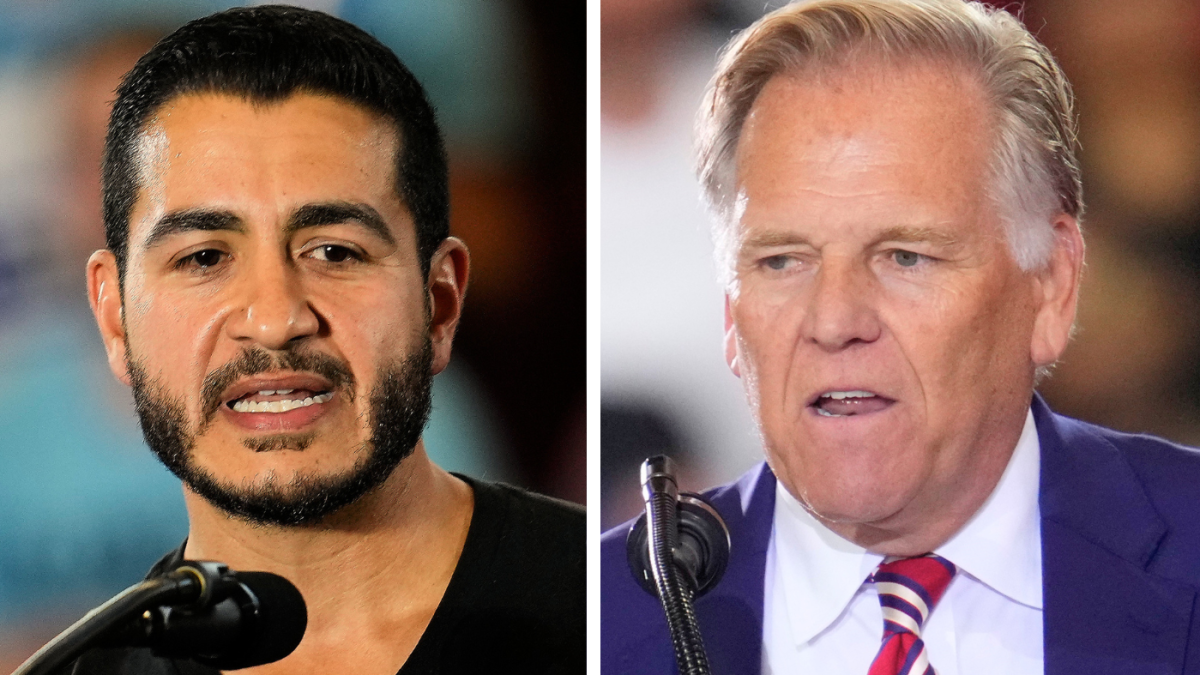
Table of Contents
Michigan Senate Contenders Shift Battleground from Debate Stage to Football Field
Provpnadvice.com – The race for Michigan’s Senate seat has taken an unexpected turn as Democratic nominee Abdul El-Sayed has issued a direct challenge to his Republican opponent, former Congressman Mike Rogers, proposing they settle their differences on the gridiron rather than in a traditional debate setting. This unconventional invitation comes amid growing scrutiny of El-Sayed’s positions on several cultural touchstones that have become flashpoints in American politics.
A Challenge on the Gridiron
El-Sayed, who recently secured his party’s nomination after a competitive primary against Representative Haley Stevens, took to social media to propose a unique form of political accountability. Rather than engaging in the standard debate format that Rogers has declined to join, the Democratic candidate suggested a more physical approach to their disagreement.
Since you’re too afraid to debate me, how about you ‘hold me accountable’ on a football field instead. Tackle, no pads like we used to play when we were kids. I’d be happy to show you much I love football.
The challenge reflects El-Sayed’s confidence in both his personal connection to the sport and his willingness to demonstrate his enthusiasm for football through action rather than words. By proposing a tackle game without protective equipment, he has essentially invited Rogers to prove his own commitment to the sport through physical participation.
Debate Over Football and American Traditions
The football challenge did not emerge in isolation. It follows a series of comments by Rogers that have drawn attention to El-Sayed’s positions on various American traditions. During a recent television appearance, Rogers characterized his opponent as someone who has been critical of multiple cultural institutions.
He’s advocating doing away with our fireworks, football, the Fourth of July. This guy spent hours hating on what most Michiganders in their pastimes.
Rogers’ comments suggest that El-Sayed’s critique extends beyond policy considerations into the realm of cultural appreciation, potentially alienating voters who view these traditions as central to Michigan identity.
Context Behind the Controversy
Republican strategists have worked to amplify deleted video clips from El-Sayed’s online presence that have become focal points of the campaign. One clip shows the Democratic nominee suggesting that fireworks displays might pose particular challenges for military veterans suffering from post-traumatic stress disorder. Another segment features El-Sayed in conversation with a sports analyst discussing football’s relationship to historical labor patterns.
In that discussion, El-Sayed explored the idea that while football does not have direct connections to slavery, the sport operates within an economic structure that resembles sharecropping. Under this framework, players contribute significantly to the sport’s success but receive comparatively limited financial benefits relative to team owners and other stakeholders.
The El-Sayed campaign has characterized these video selections as cherry-picked examples designed to create an unfavorable impression of the candidate. They argue that the clips are taken out of context and do not represent the full scope of El-Sayed’s views on these topics.
Michigan’s Political Landscape
This Senate race represents a significant contest in a state that has become increasingly competitive in national politics. Michigan’s electoral importance has grown in recent cycles, making this matchup particularly noteworthy for both parties. The state’s working-class communities, particularly those with strong ties to sports and traditional American pastimes, may find themselves weighing these cultural questions alongside policy considerations.
El-Sayed’s victory over Stevens in the Democratic primary demonstrated his ability to connect with voters across different segments of the party. His subsequent challenge to Rogers suggests confidence in his position and a desire to frame the race on his terms.
Looking Ahead
As the campaign progresses, the football challenge adds an element of personality and accessibility to what has been a policy-focused contest. Whether Rogers accepts the invitation or not, the proposal has generated discussion about the nature of political debate and how candidates can demonstrate their values through actions beyond their words.
The outcome of this race will likely depend on how voters balance El-Sayed’s policy positions with his cultural messaging, and whether Rogers’ characterization of his opponent as dismissive of American traditions resonates with Michigan’s electorate. For now, the gridiron may prove to be an unexpected venue for political discourse.
Related Reading
Frequently Asked Questions
What is El Sayed challenges Rogers to tackle?
El Sayed challenges Rogers to tackle is the main topic of this guide. The article explains the context, practical details, and next steps readers should understand.
Why does El Sayed challenges Rogers to tackle matter?
El Sayed challenges Rogers to tackle matters because readers are looking for a useful answer, not just a short summary. Good content should match search intent and help them decide what to do next.