Senate Democrats knock Republicans over ‘assault’ on Social Security


Table of Contents
Democratic Lawmakers Challenge Republicans to Present Concrete Social Security Strategy
Provpnadvice.com – Senior members of the Democratic Party in Congress have formally requested that Republican leadership outline a comprehensive approach to preserving Social Security before the program faces financial crisis. The correspondence, delivered on Tuesday to Senate Majority Leader John Thune of South Dakota, emphasizes the urgency of bipartisan cooperation as the nation’s retirement system approaches a critical juncture.
Seven prominent Democratic legislators spearheaded this initiative, urging their Republican counterparts to develop actionable solutions for the program’s mounting budget shortfall. This request comes alongside official projections from Social Security’s governing trustees indicating that the system may lack sufficient funds to meet its obligations within the coming decade.
The Financial Challenge Ahead
The Bipartisan Policy Center has calculated that Social Security confronts a substantial seventy-five-year funding gap, with projections estimating the shortfall could exceed thirty trillion dollars. This financial pressure intensifies as demographic shifts reshape the program’s foundation. The United States is experiencing an aging population alongside a contracting workforce, fundamentally altering the balance between contributors and recipients.
Historical data reveals a dramatic transformation in this relationship. In 1960, five workers contributed to Social Security for every one beneficiary receiving benefits. Today, that ratio has declined to approximately 2.9 workers per beneficiary, placing additional strain on the system’s revenue streams.
With the Finance Committee preparing to discuss options to address the pending insolvency of Social Security, it is critical that the American people understand where Republicans truly stand regarding our pre-eminent economic security program.
Trustees issued their most recent warning in June, projecting that Social Security will exhaust its reserves by the close of 2032. Should no legislative action occur before that point, monthly benefit payments would automatically decrease by twenty-two percent, affecting millions of retirees, disabled Americans, and surviving family members.
Republican Proposals Under Scrutiny
The Democratic letter specifically references a proposal advanced by House Speaker Mike Johnson of Louisiana. The Speaker has suggested restructuring Social Security and related social programs by transitioning them from mandatory spending categories to discretionary ones, a move intended to address escalating costs.
We have a plan to do that next year, and it’s critical, because we’re at $40 trillion-plus in debt. At some point you get into a hole so deep you can’t climb out of it, so desperate times call for desperate measures.
Despite Speaker Johnson’s assertion that a plan will emerge in the coming year, Democratic lawmakers have characterized the proposal as superficial. They argue that the approach lacks transparency and fails to provide meaningful reassurance to voters concerned about their retirement security.
A plan you will not show the voters before they vote is not reassurance. It is a warning and revealing of Republican priorities.
In a June appearance on the Moon Griffon Show, Speaker Johnson indicated that Social Security requires adjustment and correction, though he offered limited specifics regarding his proposed methodology. Critics contend that vague promises fall short of the detailed strategy needed to address such a significant entitlement program.
Political Implications and Next Steps
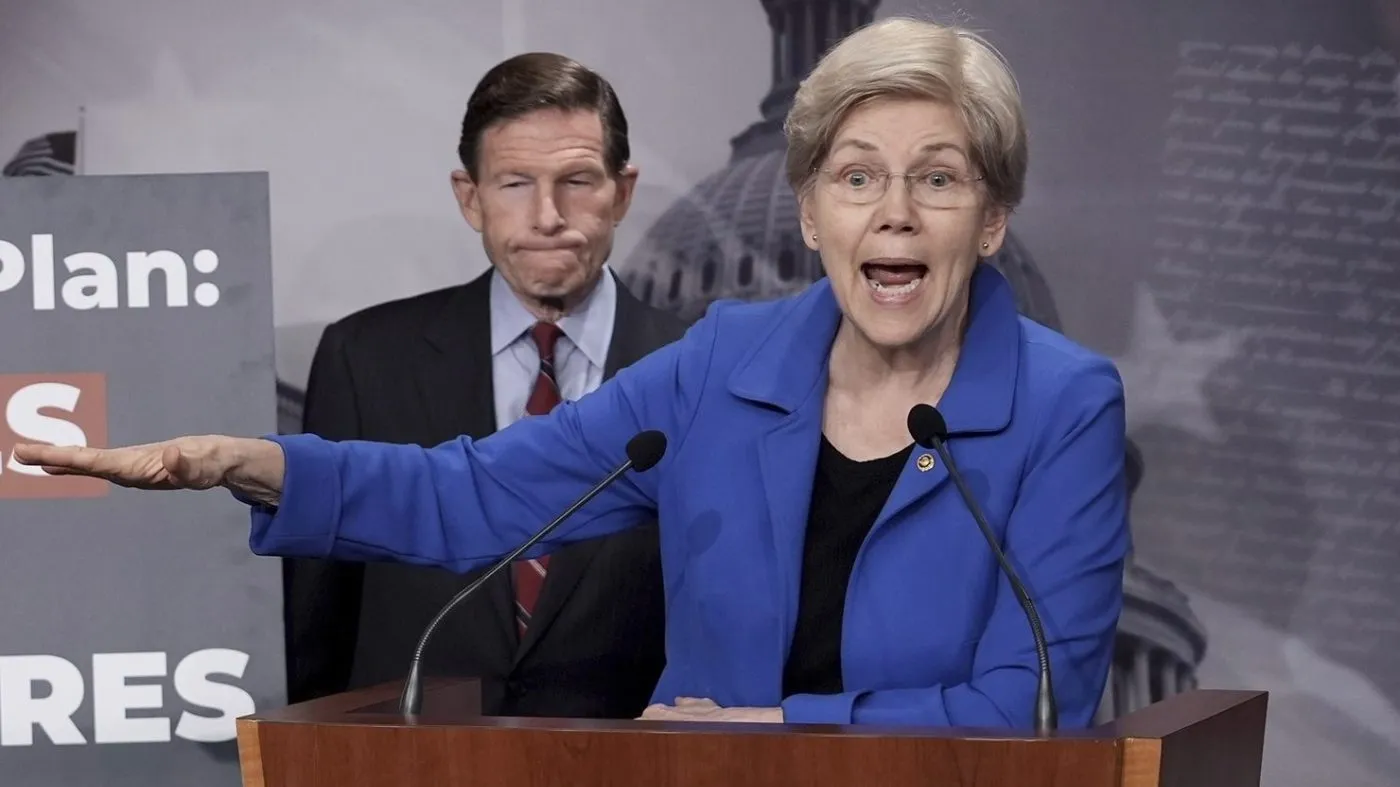
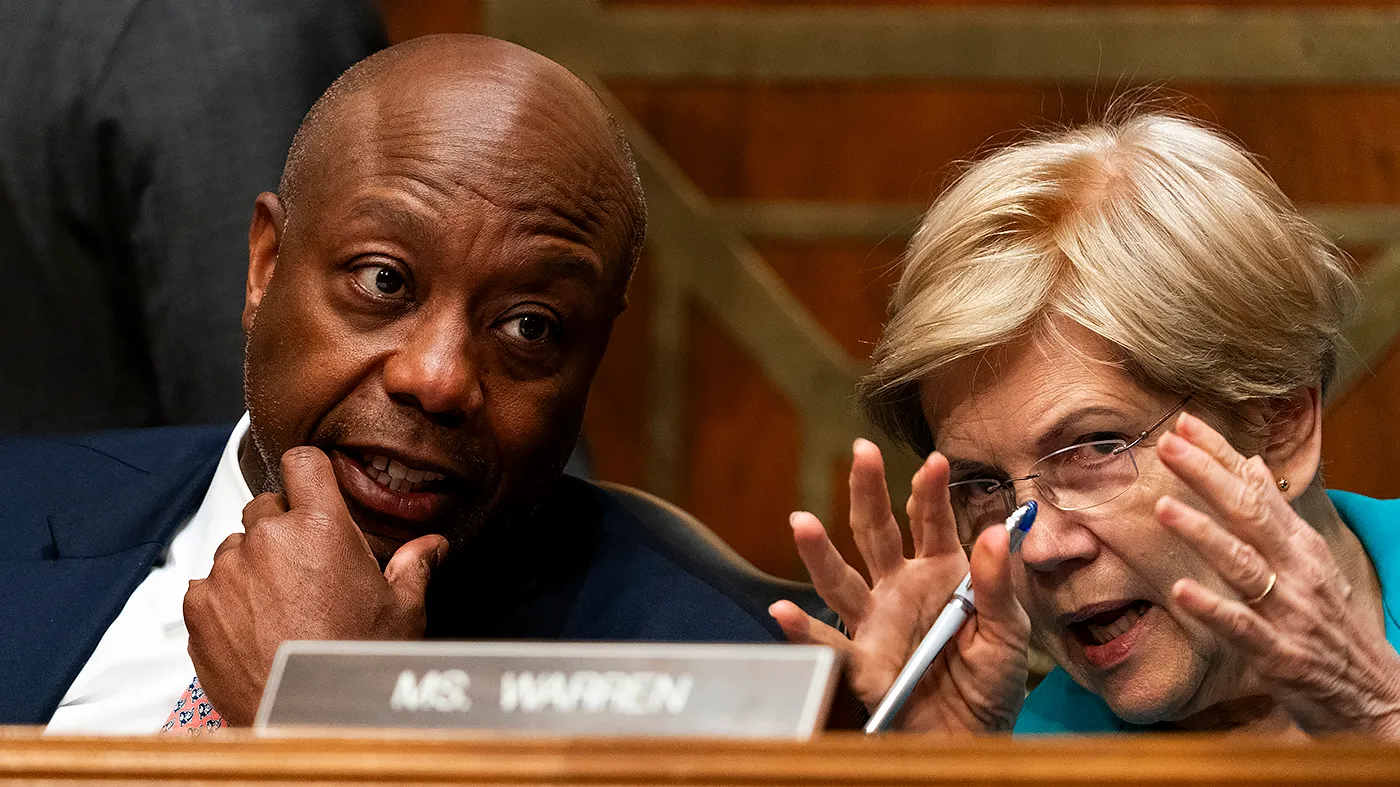
The letter was coordinated by Senators Elizabeth Warren of Massachusetts, Ron Wyden of Oregon, Chuck Schumer of New York, Richard Blumenthal of Connecticut, Sheldon Whitehouse of Rhode Island, and Tammy Duckworth of Illinois. Representative Chris Pappas of New Hampshire also joined the effort.
Senator Ron Johnson of Wisconsin has publicly committed to holding Speaker Johnson accountable for his Social Security commitments, contingent upon Republicans maintaining congressional control following the midterm elections. This political calculus underscores how the issue may influence voter behavior and legislative priorities in the near term.
It is time for Republicans to put their money where their mouth is and put forward their plan. We call on each of you to release the plan referenced by Speaker Johnson.
The Democratic lawmakers’ letter represents more than a procedural request—it signals a broader effort to frame Social Security as a defining issue for the upcoming election cycle. By demanding transparency and specificity, Democrats aim to position Republican proposals as either bold solutions or inadequate responses to a looming crisis.
For American families relying on Social Security benefits, the outcome of this political debate carries substantial implications. Whether through benefit adjustments, contribution changes, or structural reforms, any solution will require balancing fiscal sustainability with the program’s core mission of providing economic security to retirees and vulnerable populations. The coming months will reveal whether Republican leadership can translate rhetorical commitments into concrete legislative action before the 2032 deadline arrives.
Related Reading
Frequently Asked Questions
What is Senate Democrats knock Republicans over assault?
Senate Democrats knock Republicans over assault is the main topic of this guide. The article explains the context, practical details, and next steps readers should understand.
Why does Senate Democrats knock Republicans over assault matter?
Senate Democrats knock Republicans over assault matters because readers are looking for a useful answer, not just a short summary. Good content should match search intent and help them decide what to do next.