Warner frets about ‘grossly unqualified’ Pulte

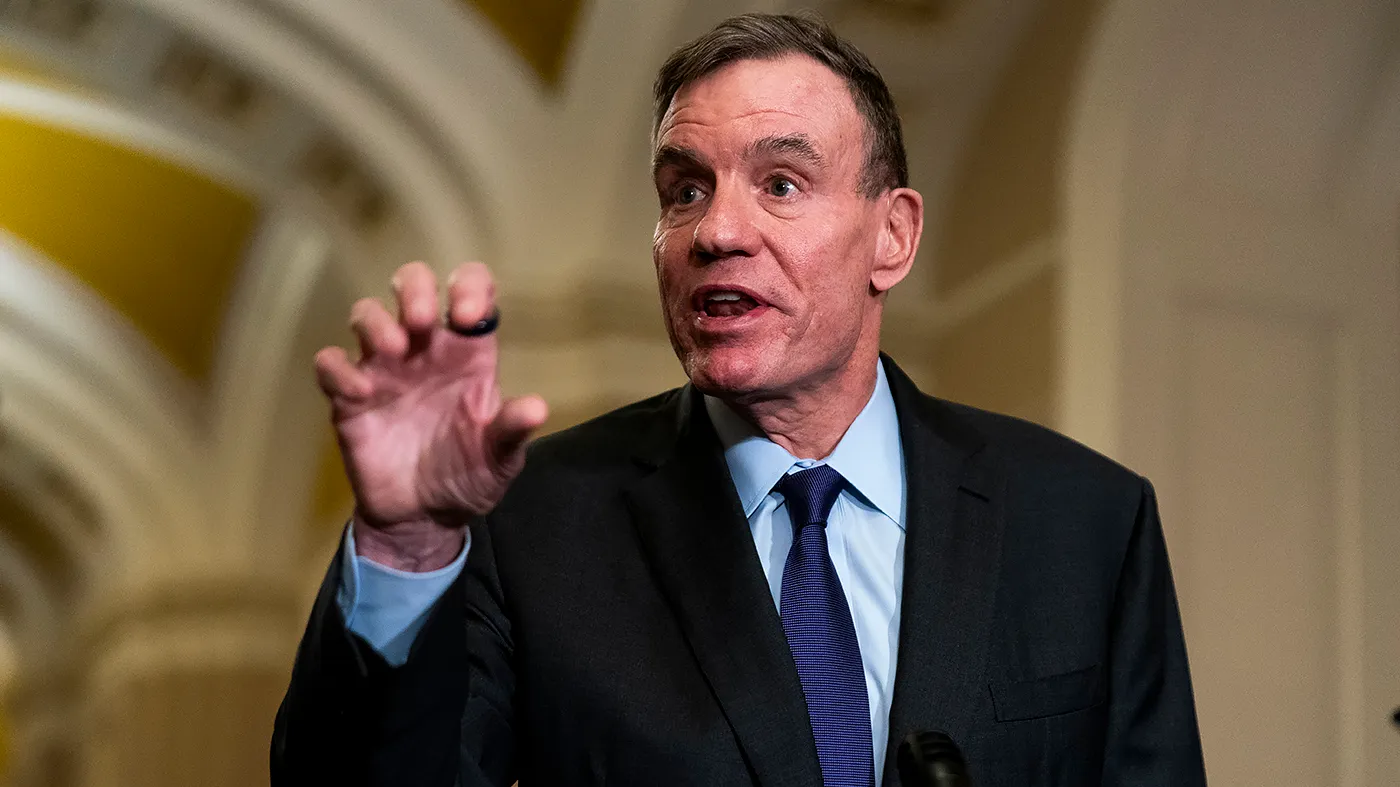
Sen. Warner Expresses Concern Over Pulte’s National Security Role
Provpnadvice.com – Senator Mark Warner (D-Va.) raised alarms over the recent selection of Federal Housing Finance Agency (FHFA) Director Bill Pulte to serve as the acting director of national intelligence, labeling him as “grossly unqualified” for the position. His remarks, delivered during a Sunday appearance on Fox News Sunday, highlighted fears that Pulte’s tenure in the role could undermine the agency’s credibility and compromise sensitive operations.
Warner’s apprehension stems from Pulte’s actions as FHFA head, where he allegedly leveraged mortgage records to target President Trump’s political rivals. Senate Democrats have criticized the move, arguing that Pulte’s ability to manipulate data for partisan purposes poses a significant threat to impartiality. The controversy has intensified as the Senate grapples with whether to extend the authority of enhanced surveillance powers under Section 702 of the Foreign Intelligence Surveillance Act (FISA).
Section 702 and Domestic Surveillance
Section 702 of FISA, set to expire on June 12, enables the collection of domestic surveillance data without a warrant, a provision that has drawn scrutiny from watchdog groups. According to the American Civil Liberties Union (ACLU), this legal framework allows intelligence agencies to gather information on U.S. citizens and use it to pursue individuals for crimes unrelated to national security. Warner emphasized that preserving the integrity of the intelligence community is a top priority, even as the debate over surveillance authority continues.
“You’re going to turn the keys of all our intelligence agencies over someone so grossly unqualified who’s shown he’s willing to take information and misuse it—secret information,” Warner said on Fox News Sunday.
The Virginia senator argued that the stakes of this decision are high, as the intelligence community’s trust is essential for effective operations. “That is a national security disaster,” he added, stressing that the potential for interference in elections and political processes outweighs the convenience of maintaining surveillance powers. Warner’s comments reflect a broader concern that Pulte’s access to private information could be exploited to target opponents, raising questions about the balance between national security and civil liberties.
Senate Republicans’ Stance on the Appointment
Senate Republicans have faced challenges in maintaining unity with Democrats over the extension of enhanced surveillance authorities. On Friday, Democrats blocked a motion to begin debate on the bill, protesting Pulte’s nomination. This move forced Republicans to reconsider their support, as they sought to secure the continuation of the controversial powers. Seven Republican senators joined Democrats in opposing the proposal, including Josh Hawley (Mo.), John Kennedy (La.), Mike Lee (Utah), Rand Paul (Ky.), Eric Schmitt (Mo.), Rick Scott (Fla.), and Tommy Tuberville (Ala.).
Warner, who chairs the Senate Intelligence Committee, pointed out that the appointment of Pulte created a rift in the legislative process. “We couldn’t go without 702 without six months, but are we going to, for somebody like me who’s terribly concerned that we’re going to have interference in our elections this year?” he questioned during the same appearance. The senator’s concerns center on the risk of Pulte using intelligence data to undermine electoral integrity, particularly as midterms approach.
“The irony again is this six-month appointment that you can stay in these positions,” Warner said.
Warner’s frustration is compounded by the fact that Pulte’s temporary role allows him to act as a de facto leader of the intelligence community without full confirmation. The senator criticized the White House for failing to address the qualifications of the acting director, noting that even his Republican colleagues have acknowledged Pulte’s shortcomings. “I don’t get what’s going on here,” Warner told host Shannon Bream, “and it is extraordinary for an issue that was already contentious, and it was going to be hard to bring Democrats along to put this guy in.”
The conflict underscores the growing divide between the two parties on matters of surveillance and national security. While Republicans have generally supported the continuation of enhanced powers, they have also expressed unease over Pulte’s appointment. Warner urged the administration to take steps toward reconciliation, suggesting that the White House should work with Democrats to resolve the controversy. “This is a problem that was created by the White House,” he stated, “and I think it is important that the White House try to work with us to solve it.”
As the debate over Section 702’s extension unfolds, Warner’s concerns highlight a pivotal moment in the Senate’s efforts to safeguard intelligence oversight. His call for transparency and collaboration reflects a broader push to ensure that national security policies are not driven by political agendas. The senator’s remarks have reignited discussions about the role of partisan loyalty in shaping critical decisions, with the potential to impact both current and future operations of the intelligence community.
The controversy also brings to light the challenges of maintaining bipartisan consensus in a polarized environment. While the Democratic majority has used Pulte’s appointment as a catalyst for action, Republicans remain divided on whether to support the measure. Warner’s leadership in the Intelligence Committee adds weight to his argument, as he positions himself as a key figure in the fight against perceived overreach. His insistence on holding the White House accountable signals a growing awareness of the need for oversight, even as the deadline for extending surveillance powers looms.
With the midterms just weeks away, the implications of Pulte’s role extend beyond the Senate floor. Warner’s warnings about potential election interference have resonated with constituents and fellow lawmakers, emphasizing the urgency of the issue. The senator’s criticism serves as a reminder that the intelligence community’s independence is a cornerstone of national security, and that its erosion could have far-reaching consequences. As the political landscape shifts, the fight over Pulte’s qualifications may become a defining moment in the balance of power between executive and legislative branches.