Lawmakers in bipartisan statement push back on Trump over Russian oil


Table of Contents
Senate Foreign Relations Committee Members Challenge Russian Diesel Plan
Provpnadvice.com – A bipartisan group of senators is urging President Trump to abandon an arrangement that would allow Russian diesel fuel to enter the United States and wider global market, arguing that the move conflicts with congressional restrictions intended to deny Moscow revenue during its war against Ukraine.
The dispute centers on an announcement Trump made Friday after a conversation with Russian President Vladimir Putin. In a Truth Social post, Trump said Russia would “immediately supply over 300,000 Tons of Diesel Fuel to the American and Global Marketplace.” The proposed supply comes after months of rising diesel prices, an issue that has created political pressure ahead of the midterm elections.
Members of both parties have criticized the decision, with senators on the Foreign Relations Committee warning that renewed Russian energy imports could weaken the economic pressure Congress sought to impose after Moscow launched its invasion of Ukraine.
Lawmakers cite 2022 energy restrictions
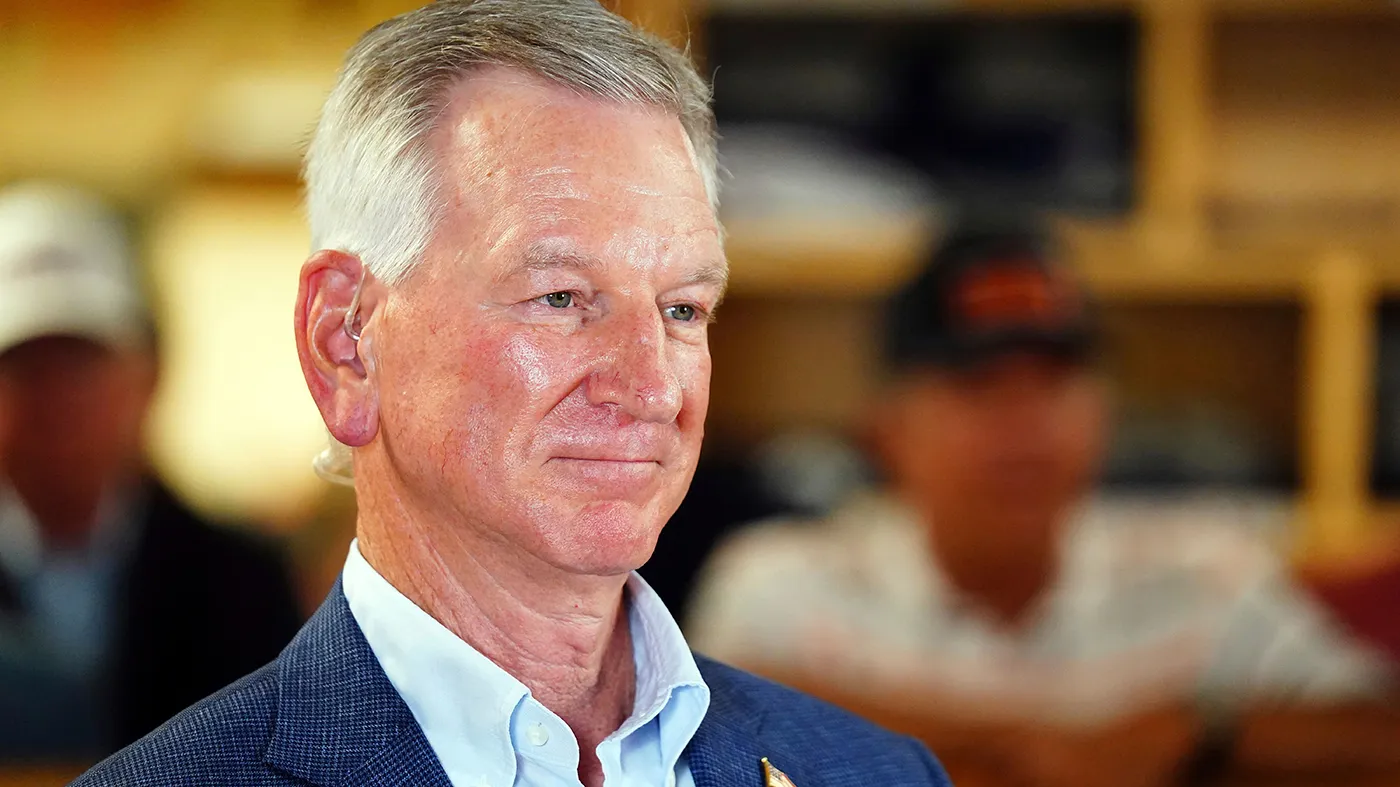
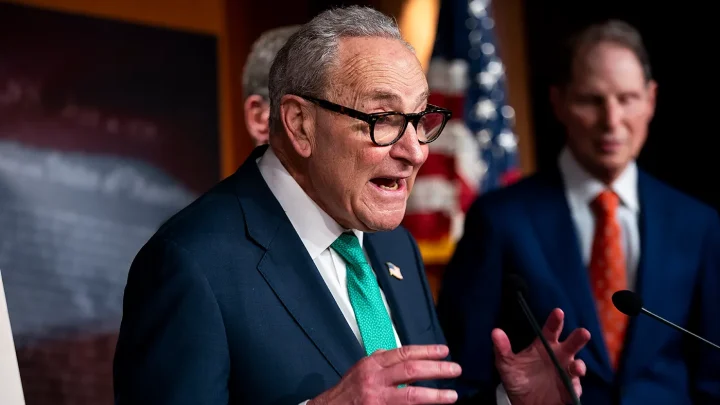
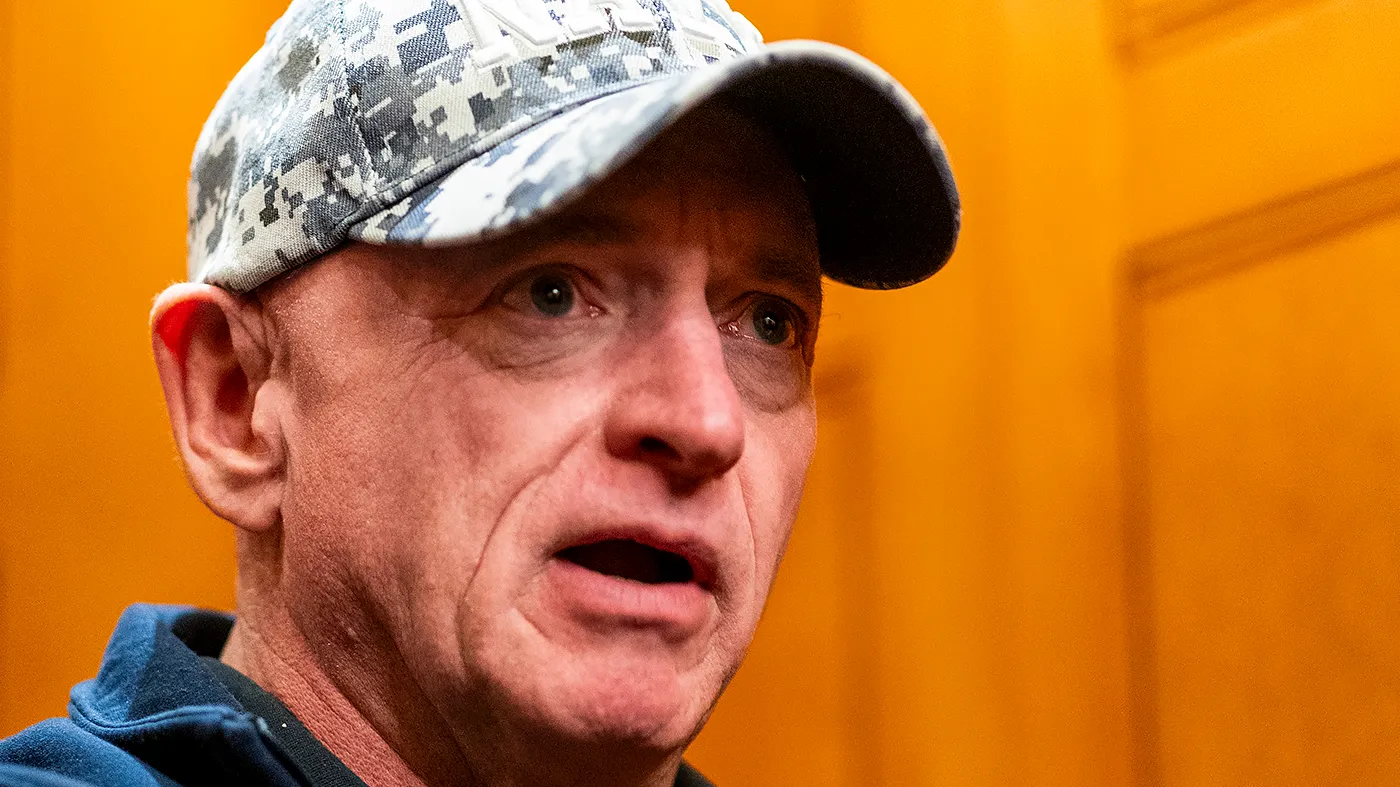
Six senators signed the statement released Sunday: Democrats Jeanne Shaheen of New Hampshire, Richard Blumenthal of Connecticut and Ron Wyden of Oregon; and Republicans Lisa Murkowski of Alaska, Thom Tillis of North Carolina and John Curtis of Utah. The group described the restriction on Russian energy imports as a deliberate congressional response to the war and to Russia’s threats toward NATO allies.
“Congress explicitly banned Russian energy imports in 2022 to prevent American dollars from financing Putin’s brutal war against Ukraine. Congress was clear: the U.S. should not import oil from Russia until it ends its aggression against Ukraine and ceases threats against our NATO Allies,” the group wrote.
The senators said the administration had not provided Congress with the consultation or statutory explanation they believe is required before permitting Russian diesel imports. Their objection focuses not only on the fuel itself, but also on the precedent created by loosening sanctions while the conflict in Ukraine continues.
“President Trump’s decision to allow Russian diesel imports to the U.S. runs directly counter to that law. The Administration has also failed to consult with Congress or submit any explanation to justify its decision as required by statute,” the bipartisan group added. “The United States should not provide Putin with a financial lifeline while Russia continues to kill Ukrainian civilians. The Administration must immediately reverse course.”
Fuel prices add to the political stakes
Diesel plays an important role in the broader economy because it is widely used by freight carriers, agricultural equipment, construction machinery and other commercial operations. Higher diesel costs can raise transportation expenses and contribute to price pressure across supply chains, making the issue especially visible to businesses and consumers.
Trump has attributed the increase in diesel prices to Ukrainian strikes on Russian oil refineries. Others have pointed to the war in Iran as a possible factor affecting energy markets. The competing explanations illustrate the difficulty of separating domestic price concerns from overseas conflicts and disruptions in global oil production, refining and shipping.
The administration’s proposed Russian supply is therefore likely to remain politically charged. Supporters may view additional diesel on the market as a potential response to tight supplies and elevated prices. Critics, however, argue that any economic relief must be weighed against the policy objective behind sanctions: limiting the funds available to the Russian government while it continues its military campaign against Ukraine.
A test of congressional authority
The senators’ statement also raises a larger question about the relationship between Congress and the White House on sanctions policy. Congress enacted the 2022 prohibition with the aim of preventing U.S. payments for Russian energy from helping finance the war. The lawmakers contend that the administration cannot simply bypass that direction without explaining its legal basis.
For the lawmakers opposing the deal, the issue is not solely whether diesel prices could fall. They argue that permitting Russian fuel imports would send an inconsistent message to allies and undermine the economic restrictions imposed after Russia’s invasion. Their demand for an immediate reversal signals that the administration may face continued scrutiny from Capitol Hill as details of the arrangement emerge.
With the midterms approaching and fuel costs still in focus, the Russian diesel proposal places a foreign-policy dispute alongside a domestic economic concern. The outcome could shape not only the debate over energy prices, but also the durability of U.S. sanctions policy toward Russia and the extent to which Congress expects to be involved in decisions that affect it.
Related Reading
Frequently Asked Questions
What is Lawmakers in bipartisan statement push back?
Lawmakers in bipartisan statement push back is the main topic of this guide. The article explains the context, practical details, and next steps readers should understand.
Why does Lawmakers in bipartisan statement push back matter?
Lawmakers in bipartisan statement push back matters because readers are looking for a useful answer, not just a short summary. Good content should match search intent and help them decide what to do next.