FDA green lights more screwworm medications: Should you give them to your pets?

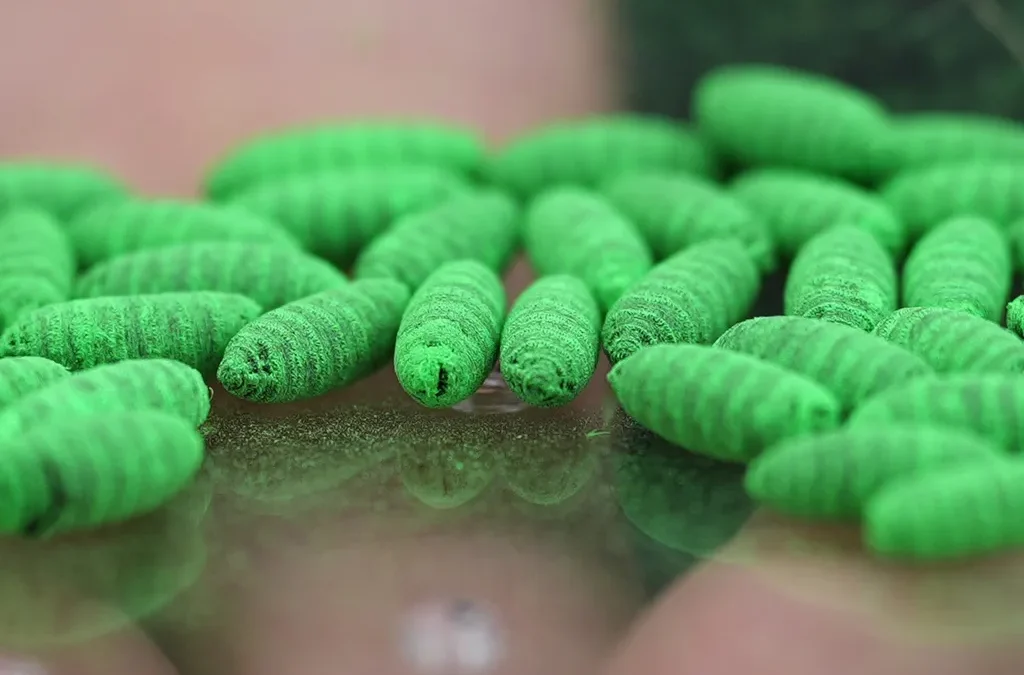
Table of Contents
FDA Green Lights More Screwworm Medications for Pets
Provpnadvice.com – The U.S. Food and Drug Administration has taken another significant step in addressing the New World screwworm parasite that continues its northward migration along the American-Mexican border. With additional medications receiving emergency authorization, pet owners now have more options to protect their animals from this flesh-eating parasite. The agency’s latest approvals expand the treatment arsenal available to veterinarians and livestock owners alike.
What Is the Screwworm Threat?
The New World screwworm represents a unique biological threat because its larvae actively burrow into living tissue, consuming flesh as they develop. Adult flies are attracted to open wounds, nasal passages, mouth cavities, ear canals, and even eyes, where they deposit their eggs directly into these vulnerable areas. Once the eggs hatch, the microscopic larvae begin their journey deeper into the host organism, potentially creating serious medical complications if the infestation goes untreated.
Tracking the Outbreak
Health authorities have confirmed forty-five cases of screwworm infestation so far, with all occurrences concentrated within Texas and New Mexico. While cattle and other livestock serve as the primary hosts for this parasite, veterinary professionals have increasingly identified infected domesticated dogs in the affected regions. This growing presence in companion animals has heightened concerns among pet owners residing in or traveling through the border areas.
Expanded Treatment Options
On Thursday, the FDA officially approved Simparica TRIO as an additional treatment for pets suffering from screwworm infestations. Agency officials noted that “the known and potential benefits of the product outweigh its known and potential risks” when authorizing this medication for emergency use. Simparica TRIO normally functions as a multi-purpose medication for heartworm prevention, flea control, and tick management in dogs. In this specific application, however, it addresses existing screwworm problems rather than preventing new infections. Nitenpyram received similar emergency authorization back in June, providing veterinarians with multiple pharmaceutical tools for treating both dogs and cats.
The FDA reassured pet owners that most do not need to panic, as the parasite remains concentrated in specific geographic areas with elevated risk primarily for those living in or frequently visiting border regions.
Recognizing Symptoms in Your Pet
Pet owners should monitor their animals for warning signs of screwworm infestation. These symptoms may include unusual behavior, visible larvae in wounds or body openings, or persistent irritation around the nose, ears, or eyes. If you notice anything concerning, consulting with your veterinarian is the recommended course of action. Veterinary professionals typically employ two approaches to managing screwworm cases: administering medication to kill parasites internally, or manually extracting live or dead larvae from infected wounds. The treatment method depends on infestation severity and individual circumstances.
Prevention Strategies for Pet Owners
While treatment options have expanded considerably, prevention remains somewhat limited for household pets. The FDA has authorized a preventative spray, but this product is currently designated for use on cows, sheep, goats, pigs, and other large animals rather than companion animals. Dog and cat owners may need to rely more heavily on protective measures such as keeping animals indoors during peak fly activity or using physical barriers to prevent fly contact with wounds. The situation continues to evolve as officials monitor the parasite’s movement and evaluate the effectiveness of newly authorized medications.
Frequently Asked Questions
Can pets contract screwworm from wildlife?
Yes, pets can potentially contract screwworm from wildlife that carries the parasite. Keeping dogs and cats away from wild animals in affected areas reduces this risk.
How long does screwworm treatment take?
Treatment duration varies depending on the severity of infestation. Medication-based treatments typically work within days, while manual extraction may require follow-up visits.
Are the new medications safe for all pets?
The FDA-approved medications are generally safe for dogs and cats, but pet owners should consult their veterinarian before administering any new treatment, especially for animals with existing health conditions.
Should I be concerned if I live outside Texas and New Mexico?
While most cases are concentrated in Texas and New Mexico, the parasite’s northward migration means other regions may eventually be affected. Pet owners in neighboring states should stay informed through local veterinary resources.