Cruz: ‘Giving billions of dollars to lunatics’ in Iran ‘is not a good idea’

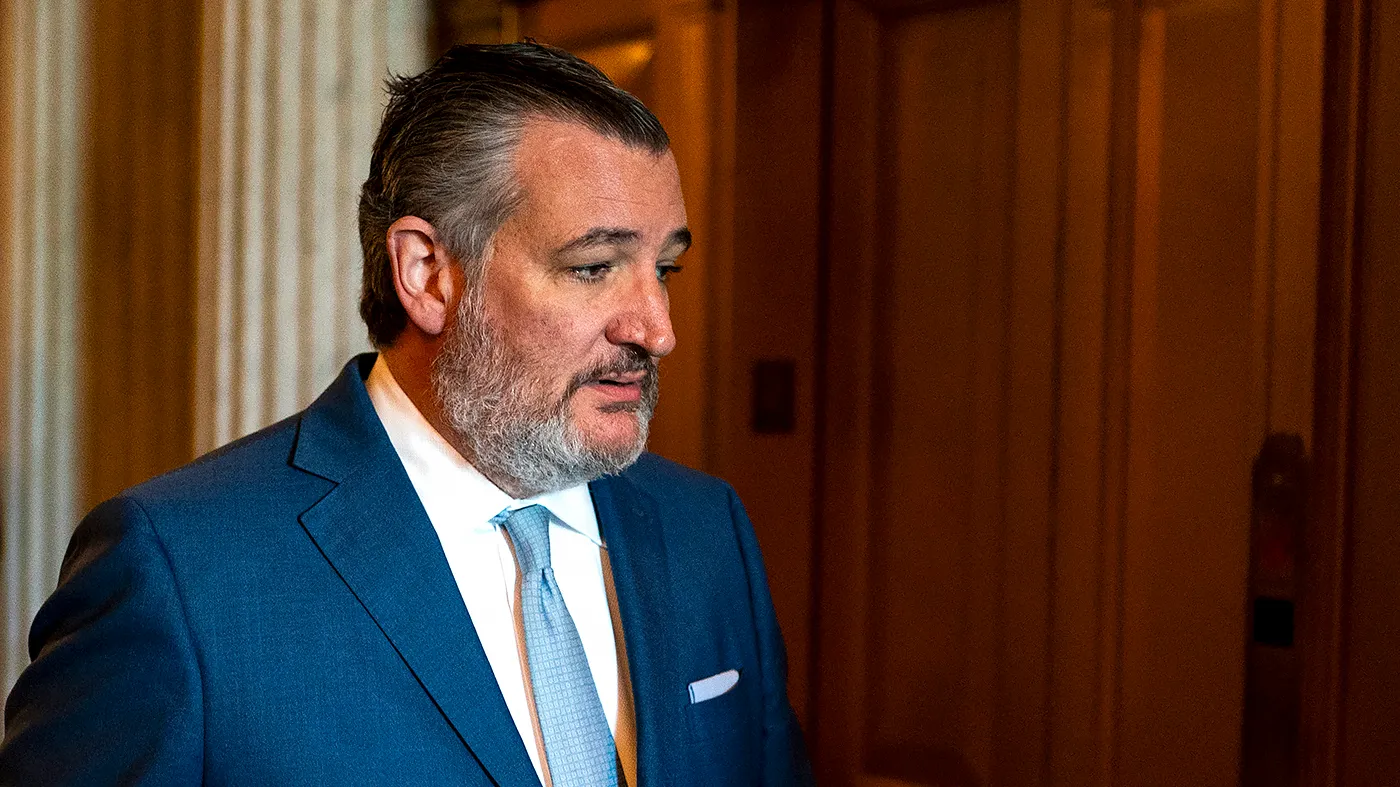
Cruz: ‘Giving billions of dollars to lunatics’ in Iran ‘is not a good idea’
Provpnadvice.com – Cruz – Republican Senator Ted Cruz voiced his reservations regarding the significant concessions granted to Iran within President Trump’s memorandum of understanding aimed at reopening the Strait of Hormuz. The agreement, unveiled on Wednesday, has sparked debate among political figures, with Cruz highlighting what he perceives as a flawed strategy in dealing with the Islamic Republic. His concerns were articulated in a statement to The Hill, emphasizing the risks associated with financial support for entities he views as ideologically hostile to the United States.
“History teaches that giving billions of dollars to theocratic lunatics who want to murder us is not a good idea. I think the president is receiving some very poor advice on this deal,” Cruz remarked during his address. This sentiment reflects a broader critique of the administration’s approach to diplomacy, particularly in the context of the ongoing tensions between the U.S. and Iran.
The memorandum outlines a comprehensive agreement between the United States and Iran, focusing on the removal of economic sanctions in exchange for renewed cooperation on strategic maritime routes. Specifically, it calls for the termination of all types of sanctions against Iran, including those imposed by the United Nations Security Council, the International Atomic Energy Agency (IAEA), and unilateral U.S. measures. This move is intended to incentivize Iran’s participation in the deal by alleviating financial pressure and fostering economic stability.
Key components of the agreement include a $300 billion reconstruction fund allocated to Iran, which would support infrastructure development across the country. This provision is seen as a major concession, as it allows Iran to reinvest in domestic projects while simultaneously easing the restrictions on its oil exports. The U.S. has agreed to lift sanctions on Iranian oil, a critical step in bolstering the nation’s economy and reducing its reliance on foreign adversaries.
Additionally, the memorandum addresses Iran’s nuclear program, which has been a focal point of international concern for years. It states that Iran has reaffirmed its commitment to not acquiring or developing nuclear weapons, aligning with its long-standing position. As part of this agreement, Iran must also agree to resolve the status of its stockpiled, enriched nuclear material. This includes the requirement for Iran to “down-blend” its weapons-grade uranium, a process that reduces its enrichment level to a less potent form.
Other Republican lawmakers have echoed Cruz’s apprehensions about the deal. Sen. Bill Cassidy (R-La.) publicly criticized the agreement, calling it the “worst foreign policy blunder in decades.” His comments were posted on the social platform X, where he argued that the deal fails to address Iran’s nuclear ambitions and instead rewards its aggressive behavior. Cassidy’s critique highlights the growing bipartisan concern over the strategic implications of the agreement, particularly in relation to Iran’s ability to leverage its position in the region.
“Reagan is rolling over in his grave. Iran’s nuclear ambitions were not curbed, and they have learned that threatening the Strait of Hormuz works and will undoubtedly leverage it in the future. Now, Iran gets to build brand-new infrastructure under this deal,” Cassidy wrote on X. His remarks underscore the perception that the agreement may weaken U.S. influence in the Middle East and embolden Iran’s geopolitical position.
The Strait of Hormuz, a vital waterway for global oil transportation, has been a key target in Iran’s efforts to assert control over regional energy resources. By reopening this passage, the deal is expected to ease tensions between the U.S. and Iran, but critics argue that it may also provide Iran with a strategic advantage. The memorandum’s emphasis on economic relief and diplomatic engagement has drawn mixed reactions, with some advocating for a more flexible approach to international relations.
Supporters of the agreement contend that the concessions are necessary to ensure continued access to Iran’s oil markets and to stabilize the region. They argue that the deal balances economic incentives with security assurances, such as Iran’s commitment to nuclear non-proliferation. However, opponents like Cruz and Cassidy view these terms as overly generous, suggesting that they may undermine long-term U.S. interests and encourage further Iranian aggression.
As the debate continues, the memorandum serves as a pivotal moment in the Trump administration’s foreign policy agenda. The agreement not only reflects the administration’s willingness to negotiate with Iran but also highlights the challenges of maintaining a unified stance on critical international issues. The full text of the memorandum has been released to provide transparency, allowing for a more informed public discourse on its merits and drawbacks.
Historically, the U.S. has engaged in multiple agreements with Iran, each aimed at managing the country’s nuclear ambitions and regional influence. The 2015 Joint Comprehensive Plan of Action (JCPOA) is a notable example, which included strict limits on Iran’s nuclear program in exchange for sanctions relief. This new memorandum, however, introduces a different framework, prioritizing economic benefits and strategic access over stringent nuclear restrictions.
Cruz’s comments are part of a larger trend of skepticism within the Republican Party regarding Iran’s reliability as a partner. His critique is rooted in the belief that financial support for Iran may not translate into diplomatic progress, especially given the country’s history of escalating conflicts with the U.S. and its allies. The senator’s emphasis on the “lunatics” label underscores a perception that Iran’s leadership is driven by ideological extremism rather than pragmatic cooperation.
Despite these concerns, the memorandum represents a significant step in the U.S. – Iran relationship, offering a pathway to mutual economic benefits and reduced military confrontation. The agreement’s success will depend on the implementation of its terms and the ongoing commitment of both nations to uphold their obligations. As the details of the deal are scrutinized, the debate over its effectiveness and long-term impact is expected to shape future policy discussions in Washington.