Trump administration lifts limits on Anthropic’s new AI models

Trump Administration Lifts Restrictions on Anthropic’s AI Models, Restoring Access
Provpnadvice.com – The Trump administration took action on Tuesday to remove export restrictions on Anthropic’s newly launched Fable and Mythos AI models, allowing public access just over two weeks after the measures were first imposed. This decision marks a significant shift in the regulatory landscape for the company’s advanced artificial intelligence systems, which had been temporarily withheld from broader use due to concerns about potential security risks.
Commerce Secretary Announces Reversal of Export Controls
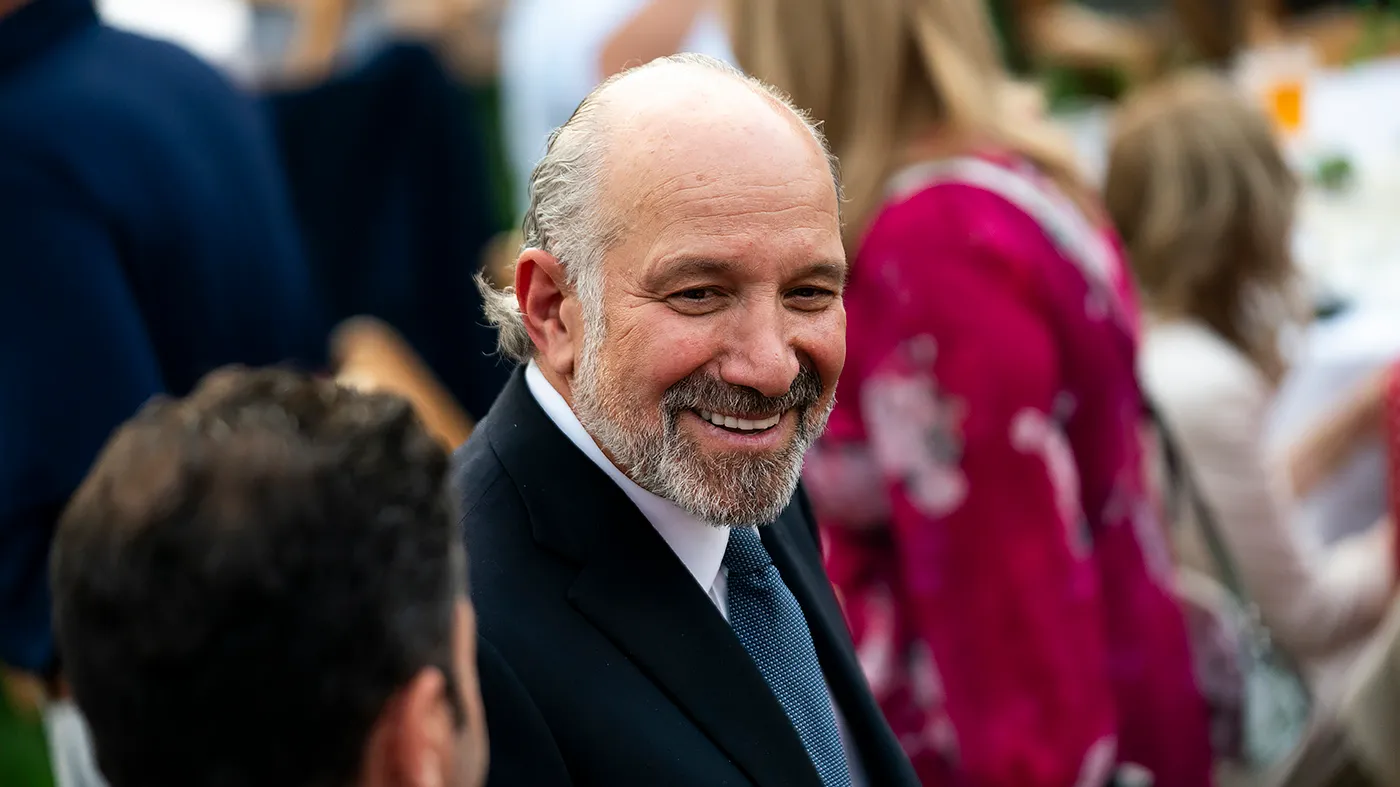
Commerce Secretary Howard Lutnick revealed the reversal during a post on X, emphasizing the collaborative effort between the government and Anthropic to evaluate the models. “The agency has worked closely with Anthropic to analyze and approve Fable 5, ensuring alignment across the U.S. Government and reinforcing America’s leadership in AI,” he stated. The announcement reflects a strategic move to expedite the deployment of cutting-edge technology while addressing national security considerations.
“The agency has worked closely with Anthropic to analyze and approve Fable 5 to ensure alignment across the US Government and strengthen America’s leadership in AI.”
Anthropic confirmed the decision, stating that the company received notification of the approval for both Fable 5 and Mythos 5. The firm plans to resume model access beginning Wednesday, a move that has been met with relief by users and stakeholders who had been awaiting the change. “We’re grateful to our users for their patience, and to everyone who worked with us on redeploying the models,” Anthropic noted in a separate X post.
Background on the Export Controls
Earlier this month, the Trump administration had issued a federal export control order to Anthropic, prompting the company to halt the public release of its latest Fable and Mythos models within days. This order, which targeted the distribution of the models, raised questions about the extent of government oversight in AI development. Anthropic’s decision to withdraw the models quickly followed the directive, with the initial release of the Fable and Mythos series occurring only three days prior.
Anthropic’s first Mythos model had been the foundation for both the Fable and Mythos 5 versions. However, the company had initially chosen not to release the original Mythos to the public, fearing it could be exploited to enhance hacking capabilities. Fable 5, which was made available to the public, included safeguards designed to mitigate risks the company deemed critical. Meanwhile, Mythos 5 was restricted to a select group of cyber defenders and infrastructure providers, who received the model with fewer constraints.
Industry reports suggested the export controls were influenced by Amazon CEO Andy Jassy, who raised concerns about a potential method of “jailbreaking” the Fable model’s built-in protections. Amazon, which has a significant stake in Anthropic, likely played a key role in shaping the administration’s stance on AI security. Additionally, a source close to Anthropic disclosed that the Trump administration had given the company a mere 90-minute window to remove Fable from public use without prior indication of the threat to national security.
Partial Approval and Public Reaction
While the decision to lift restrictions on Fable and Mythos 5 was a victory for the company, it came just days after the government had approved the models for a limited group of businesses. This partial approval had sparked debate among AI policy experts, who argued that the administration’s approach was inconsistent and could slow innovation in the private sector. The export controls, in particular, drew sharp criticism from both conservative and progressive voices, who viewed them as an arbitrary measure that prioritized short-term security over long-term technological advancement.
White House Chief of Staff Susie Wiles praised the administration’s coordination with industry leaders, highlighting the collaborative efforts to implement President Trump’s cybersecurity order. “This includes excellent work around advanced model access and guardrail testing and security. The government and private sector have worked together in a way we have never seen before and this foundation of America First is unprecedented,” Wiles wrote in a recent X message. The statement underscored the administration’s goal of balancing rapid deployment with robust safeguards.
“This includes excellent work around advanced model access and guardrail testing and security. The government and private sector have worked together in a way we have never seen before and this foundation of America First is unprecedented.”
The reversal of export controls has also brought attention to the broader implications for AI development. While Anthropic’s models are now available to the public, other companies like OpenAI faced different treatment. The government did not impose legal export controls on OpenAI, but the firm reported that the administration had requested a delay in the public rollout of its GPT-5.6 series. OpenAI shared the models with a “small group of trusted partners” and CEO Sam Altman indicated plans for wider distribution in the coming weeks, though the exact reasons for the administration’s request remain unclear.
Industry Response and Future Outlook
The reinstatement of access to Fable and Mythos 5 has been seen as a positive step by many in the AI community, who view it as a validation of Anthropic’s security measures. However, the episode has also raised questions about the transparency and predictability of the Trump administration’s policies. The sudden imposition of export controls without prior warning to Anthropic has been cited as an example of the administration’s ad hoc approach, which critics argue could create uncertainty for developers.
Despite the backlash, the administration’s actions have underscored its commitment to enhancing AI cybersecurity. The focus on advanced model testing and guardrail evaluation reflects an effort to ensure that AI technologies are deployed responsibly. As Anthropic moves to restore full access to its models, the company is likely to continue refining its safeguards to meet evolving regulatory expectations.
For now, the decision to lift restrictions appears to align with the administration’s broader strategy of fostering innovation while maintaining oversight. The reversal of export controls for Fable and Mythos 5 sets a precedent that could influence future policy decisions, particularly as the AI sector continues to grow. Industry observers will be watching closely to see how this development affects the competitive landscape and the pace of AI advancements in the coming months.