DOJ Launches Investigation into MLB’s Pride Night Uniform Policy
Provpnadvice.com – On Thursday, the U.S. Department of Justice revealed it is examining whether Major League Baseball (MLB) violated principles of religious freedom by warning three players for wearing caps adorned with Bible verses during a Pride Night game. The probe centers on the league’s handling of uniform modifications, with critics alleging a disparity in enforcement between pro-LGBTQ+ messages and religious expressions.
Controversy Over Pride Night Uniforms
The dispute erupted last week when three San Francisco Giants pitchers—Landen Roupp, JT Brubaker, and Ryan Walker—wore rainbow-logo caps featuring different Bible verses while playing against the Chicago Cubs at Oracle Park. The decision to incorporate the religious text into the Pride-themed gear sparked debate, as the players’ actions were seen as a blend of support for LGBTQ+ inclusivity and personal faith.
“Swing and a miss! Major League Baseball encouraged players to wear ‘Black Lives Matter’ on their uniforms but reportedly threatened Christians who write Bible verses on their hats,” stated Harmeet Dhillon, the assistant attorney general for the DOJ’s Civil Rights Division. The statement, posted on social media platform X, highlighted what she called an inconsistency in the league’s policies.
Dhillon’s argument suggests that MLB’s rules, which require pre-approval for personal messages on uniforms, were applied selectively. She pointed out that while the league allowed “Black Lives Matter” patches without issue, it issued verbal warnings to players who opted for religious symbols. The incident has drawn comparisons to past instances of uniform customization, including the use of “Happy Mother’s Day” and other family-centric messages.
League Rules and Player Compliance
MLB’s regulations state that players must seek commissioner’s office approval before displaying personal messages on their uniforms. Despite this, the Giants players were not penalized with fines or suspensions, only advised verbally about future adherence to the policy. A fourth Giants pitcher, Sam Hentges, chose to wear the team’s standard hat instead of the rainbow-logo version, citing his Christian beliefs as a reason for avoiding potential scrutiny.
League officials emphasized that the warnings were about modifying the uniform rather than the content of the messages. “The writing on the cap violates our rules, and consistent with normal practice, we have warned the players about future violations,” the league said in a statement shared with multiple news outlets on Monday. This clarification aimed to frame the incident as a matter of uniform policy rather than a direct attack on religious expression.
Legal Arguments and Title VII Implications
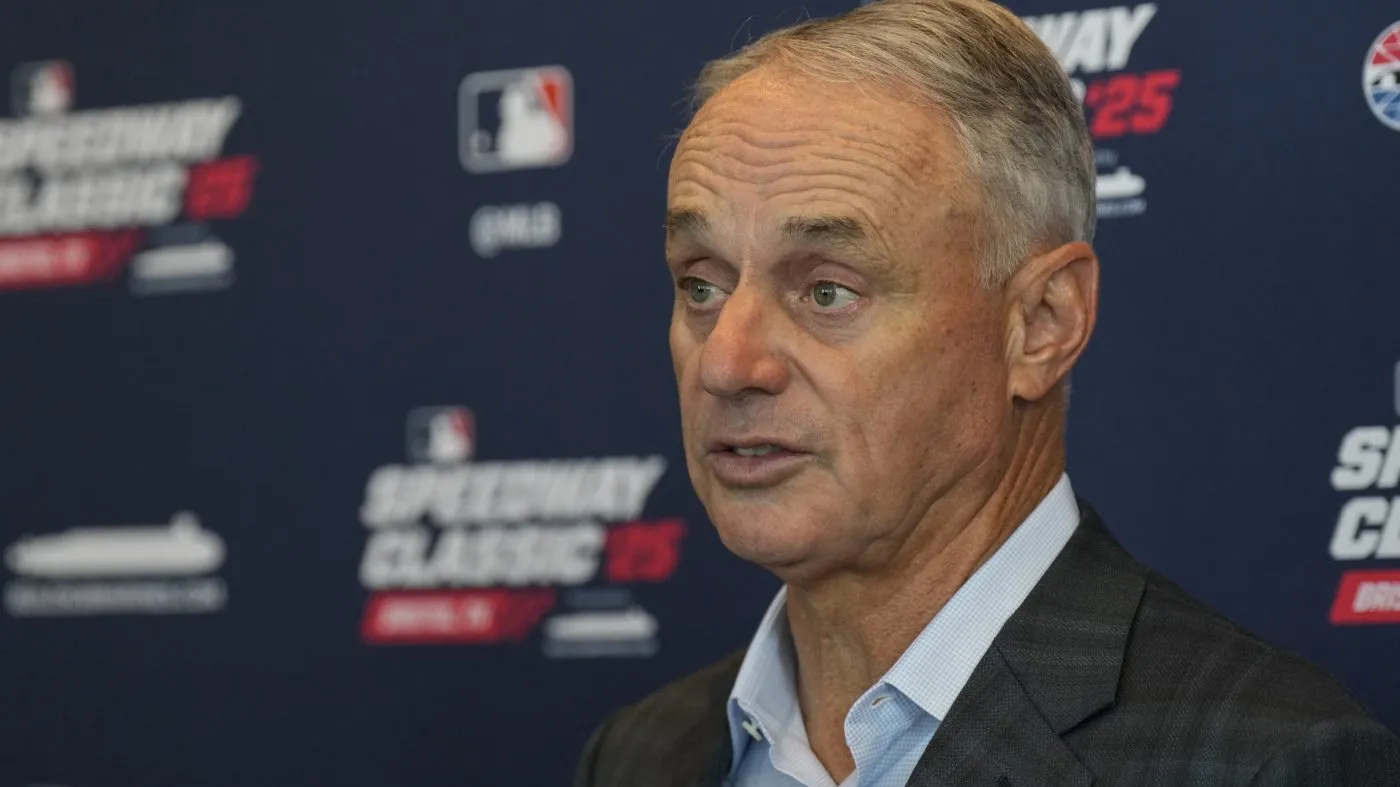
Dhillon’s letter to MLB Commissioner Robert Manfred Jr. argued that the league’s actions could constitute a violation of Title VII of the Civil Rights Act of 1964. The law prohibits employment discrimination based on race, color, religion, sex, and national origin, and Dhillon contended that the Giants players faced an unreasonable burden by being singled out for their religious messages.
“Federal law is clear: employers must modify their uniform requirements to reasonably accommodate their employees’ exercise of religion,” Dhillon wrote. She stressed that the policy’s application to Bible verses but not to pro-Pride messages reflected a “double standard,” undermining the principle of equal treatment under the law.
The matter has also been referred to the Equal Opportunity Employment Commission (EEOC), which will assess whether the league’s actions align with protections against religious discrimination. This step underscores the potential legal ramifications of the incident, as it could set a precedent for how sports organizations balance team branding with individual rights.
State-Level Probe and Broader Context
Adding to the scrutiny, Florida Attorney General James Uthmeier (R) announced a separate state investigation on Friday, focusing on what he described as a “pattern or practice” of selective enforcement. In his letter to Manfred, Uthmeier argued that the league’s rules were applied inconsistently, favoring ideological messages over religious ones. “MLB therefore appears to applaud—even change its rules for—the ideological beliefs it prefers, but targets players who express religious views the League doesn’t like,” he wrote.
The Florida probe highlights concerns that MLB’s uniform policy may have disproportionately affected Christian players, creating an unequal standard for expression. Uthmeier’s allegations build on Dhillon’s, framing the issue as a systemic problem in how the league enforces its rules. This has reignited discussions about the role of sports organizations in promoting diversity while respecting religious traditions.
Historical Precedents and Policy Evolution
MLB’s decision to allow “Black Lives Matter” patches during Pride Night events reflects a broader trend of incorporating social messages into team uniforms. Over the years, players have used their gear to support various causes, such as holiday greetings or civil rights initiatives. However, the league’s willingness to grant exceptions for certain messages, while enforcing stricter guidelines for others, has raised questions about its intent.
Critics argue that the league’s approach to uniform modifications is evolving, with a growing emphasis on aligning with contemporary social values. The Giants players’ incident, though not the first of its kind, has intensified the focus on how religious expressions are treated compared to other forms of advocacy. This dynamic has prompted some to view the policy as a tool for shaping the cultural narrative of the sport.
Implications for Athletes and Team Identity
The controversy underscores the tension between individual expression and team branding. While Pride Night is designed to celebrate LGBTQ+ inclusion, the Giants players’ choice to add Bible verses to their caps has been interpreted as a challenge to the league’s message. This has sparked dialogue about whether religious symbols should be permitted during events that prioritize other identities, and how such decisions affect players’ autonomy.
Supporters of the league’s policy argue that it allows for creative representation of values while maintaining uniformity. They note that the players’ warnings were minor, with no formal disciplinary action taken. However, opponents see the verbal reprimands as a symbolic act of suppression, particularly when compared to the leniency shown toward other messages. This disparity has fueled calls for a more inclusive approach to uniform customization across all leagues.
As the DOJ and Florida AG investigate further, the case could influence future policies on religious and ideological expression in sports. The outcome may determine whether MLB’s actions are viewed as a legitimate enforcement of uniform rules or a form of discrimination based on religious beliefs. For now, the debate continues, with fans and players alike watching closely to see how the league navigates this cultural intersection.