This week on the Hill: FISA negotiations at a standstill after Clayton hearing delayed

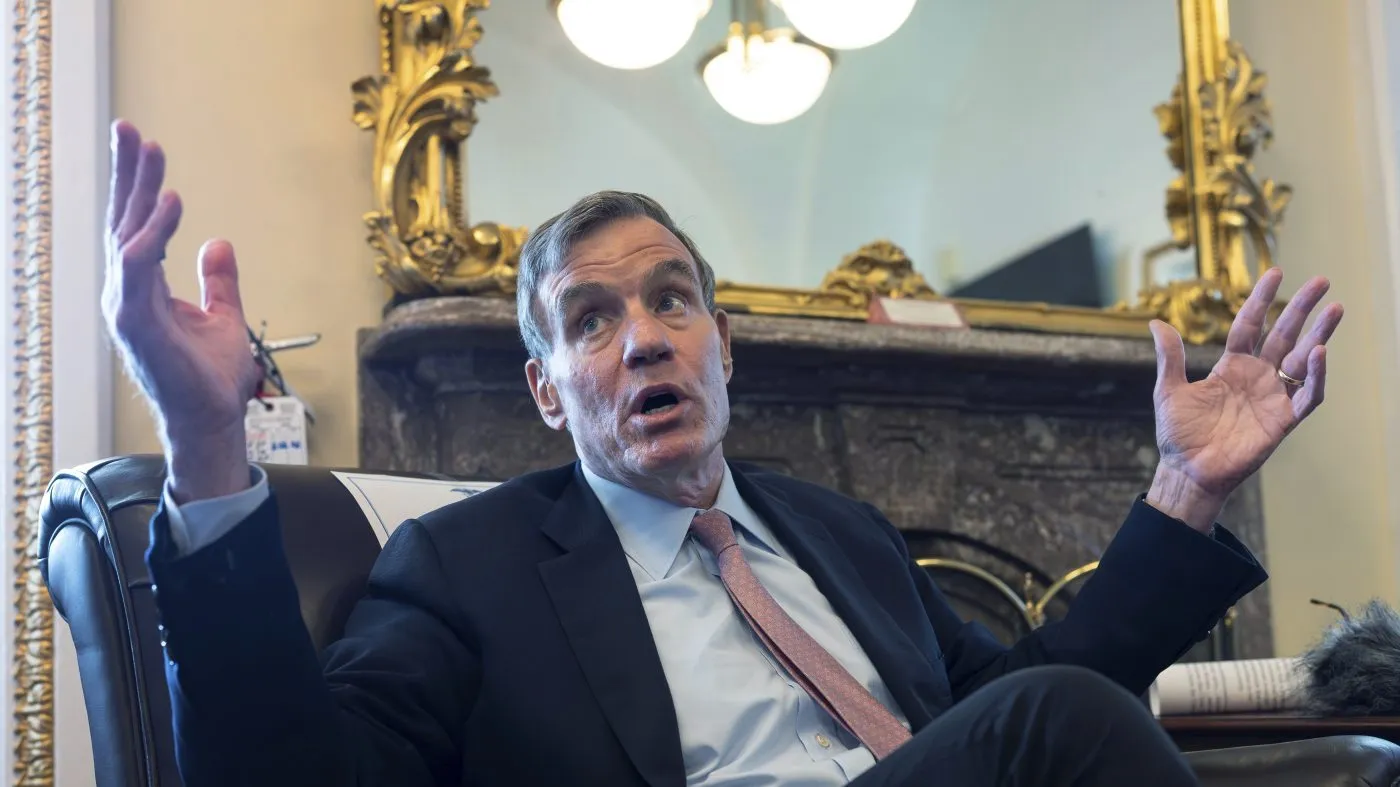
Table of Contents
FISA Spy Powers Legislation Stalls Amid Clayton Hearing Delay
Provpnadvice.com – This week on the Hill, FISA surveillance powers legislation faces a deadlock after the Senate Intelligence Committee postponed Jay Clayton’s nomination hearing. The delay, triggered by President Trump’s decision to push back the confirmation process, has left the renewal of Section 702 of the Foreign Intelligence Surveillance Act (FISA) hanging in the balance. Democrats had previously opposed the measure, arguing that Trump’s choice of Bill Pulte as the acting Directorate of National Intelligence (DNI) director undermined the reform’s intent. With the hearing delayed, the Senate remains stalled on reauthorizing the provision that allows warrantless surveillance of foreign individuals, a critical tool for national security.
Democrats’ Concerns Over Jay Clayton’s Nomination
Section 702, a cornerstone of FISA, grants intelligence agencies the authority to monitor non-U.S. citizens abroad without a warrant. Its expiration on June 12 has intensified debates about its revival. Democrats have made it clear that Pulte’s continued role as acting director is a key sticking point. Sen. Mark Warner (D-Va.), the committee’s top Democrat, expressed uncertainty about whether the hearing delay signals a strategic pause or a complete withdrawal. “I am not sure whether Jay Clayton has simply been postponed or withdrawn. I wonder whether Jay Clayton knows whether he has been postponed or withdrawn,” Warner said, highlighting the confusion within the chamber.
“I am not sure whether Jay Clayton has simply been postponed or withdrawn. I wonder whether Jay Clayton knows whether he has been postponed or withdrawn.”
Senate Minority Leader Chuck Schumer (D-N.Y.) criticized Republicans for their inability to coordinate, linking the stalemate to Trump’s influence. “This is a Republican president, Republican House, Republican Senate, all screwing up with each other,” Schumer stated. “They’ve got to come to an agreement and have the courage to buck the president, who clearly doesn’t want a DNI director and doesn’t want FISA renewed.” His comments underscore the political tension, with Democrats viewing the delay as a sign of Republican hesitation on security issues.
Republicans’ Strategy to Secure FISA Renewal
Sen. Kevin Cramer (R-N.D.) questioned the logic behind the postponement, suggesting it reflects a lack of confidence in Senate Majority Leader John Thune (R-S.D.) to manage the process. “One of the things may very well be, as I try to explain it in my own brain, sort of maybe a lack of trust or faith in [Thune]’s clear-eyed understanding of the sequence of things that have to happen,” Cramer explained. He noted that Clayton’s confirmation was intended to provide a counterbalance to Pulte, offering Democrats a rationale to support the FISA renewal. Without this, the prospects for compromise appear uncertain.
Democrats have maintained their stance, arguing that Pulte’s leadership compromises the bill’s effectiveness. The controversy has created a rift between the parties, with Republicans struggling to advance their agenda. Meanwhile, the debate over FISA has taken on broader implications, as the issue becomes intertwined with another legislative effort: the Safeguard American Voter Eligibility (SAVE America) Act.
SAVE America Act and the FISA Link
President Trump has tied the fate of Section 702 to the SAVE America Act, which mandates voter ID requirements for registration and polling. The measure aims to bolster election security by preventing voter fraud. However, Democrats have resisted, claiming it could disproportionately impact minority voters. This standoff has further entrenched partisan divisions, with both sides unwilling to concede on key provisions. The situation illustrates how the “This week on the Hill” political landscape is shaped by interconnected legislative priorities.
Sen. John Thune has defended the strategy of linking the SAVE America Act to FISA renewal, stating it is a realistic approach to secure support. “It would be unrealistic to get the SAVE America Act passed simply by attaching it to an extension of FISA authorities,” Thune told Punchbowl News. His remarks reflect the Republicans’ attempt to leverage the FISA debate as a platform for broader policy goals, even as Democrats remain skeptical about the compromise’s fairness. The “This week on the Hill” dynamics continue to evolve, with each party navigating its own strategic priorities in the face of stalled legislation.