WSJ editorial board: Trump ‘stuck a shiv in the back’ of Graham’s legacy

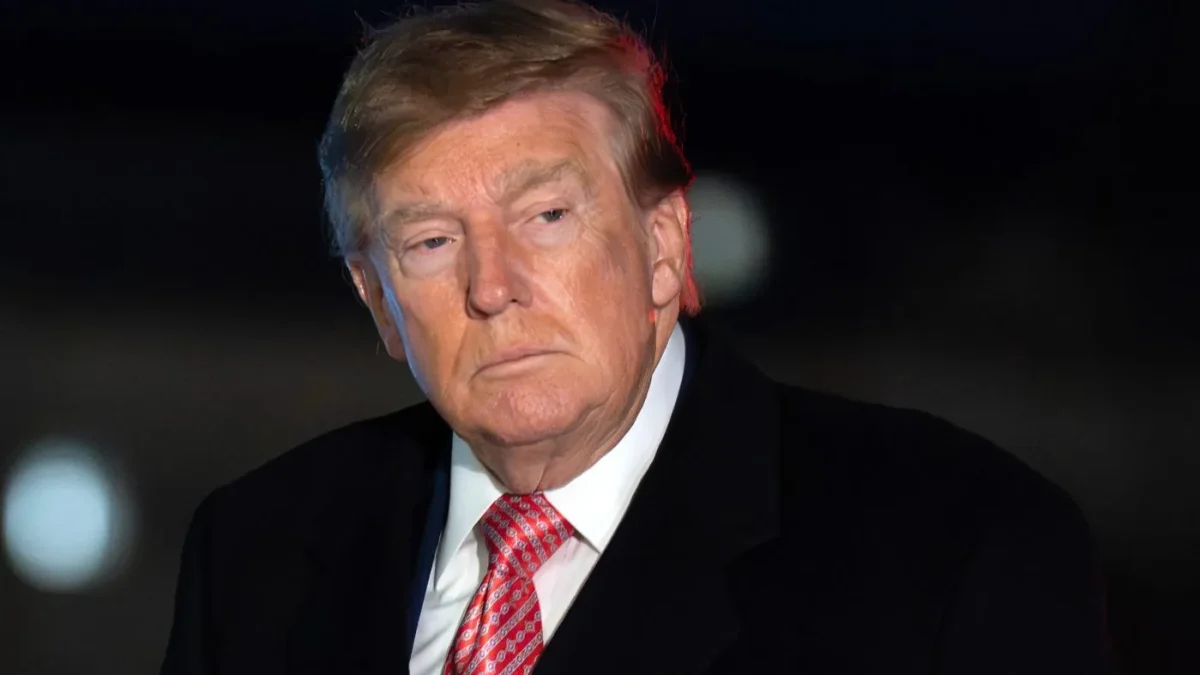
Table of Contents
Trump’s Russia Sanctions Waiver Sparks Sharp Criticism Over Ukraine Policy
Provpnadvice.com – President Trump’s decision to delay enforcement of Russia-related sanctions included in legislation honoring the late Sen. Lindsey Graham has triggered backlash from lawmakers in both parties and a pointed rebuke from a prominent conservative editorial board.
The measure was designed to increase pressure on Moscow as Russia’s military campaign in Ukraine continues. Its provisions included tariffs aimed at major purchasers of Russian energy as well as entities accused of helping Russia bypass existing restrictions.
Trump chose to waive the sanctions while his administration seeks a negotiated end to the conflict. In explaining the move, he said imposing the measures immediately could complicate diplomatic efforts with Moscow.
“We are in the process of negotiating Peace in the war between Russia and Ukraine, and don’t want to do anything that will drive, foolishly, Russia away from the bargaining table.”
Trump also said he retained the option to approve the sanctions later if circumstances warranted it.
“Signing that document at this time will do that, and I can sign it later, or any time that I want.”
Editorial board attacks decision
The Wall Street Journal editorial board argued that the waiver undermined Graham’s legacy. In unusually harsh language, the board wrote that Trump had “stuck a shiv in the back” of the South Carolina Republican’s record on confronting Russia.
Its editorial portrayed Trump as overly accommodating toward Russian President Vladimir Putin and contended that the president’s approach could pressure Ukraine to accept an outcome favorable to Moscow. The board warned that the issue could eventually require a broad political reassessment of U.S. relations with the Kremlin.
“When the election is over there needs to be a bipartisan reckoning for Mr. Trump’s budding alliance with the Kremlin against Ukraine, Europe and American interests.”
The criticism highlights a growing divide over how Washington should balance diplomacy with economic pressure. Supporters of the sanctions believe restrictions on energy revenues and international trade are necessary tools for limiting Russia’s ability to sustain its war. Those backing a temporary pause argue that preserving room for talks may be important if negotiations have a realistic chance of reducing the fighting.
Bipartisan objections on Capitol Hill
The sanctions package cleared both the House and Senate by wide margins, giving the waiver added political significance. Several Republicans who supported the legislation have publicly challenged the president’s decision to postpone its implementation.
Sen. Thom Tillis of North Carolina called the waiver “entirely irresponsible,” while Rep. Don Bacon of Nebraska argued that it would lengthen rather than resolve the conflict.
“The President is prolonging the war, not ending it.”
The response reflects concern among some lawmakers that delaying consequences for Russia could reduce leverage at a critical point in negotiations. The legislation’s sponsors intended the sanctions and tariffs to signal that countries buying Russian energy, or assisting efforts to evade penalties, could face heightened economic costs.
Critics also see the waiver as part of a wider debate over Trump’s dealings with Putin and the Kremlin. In recent days, Republican lawmakers have raised questions about the president’s approach to Russian energy at a time when global energy prices have been rising.
Russian diesel agreement intensifies scrutiny
Those concerns have been amplified by Trump’s announced Russian oil arrangement. Under the agreement described by the president, Russia could begin supplying 300,000 tons of diesel immediately, followed by another 500,000 tons in November. A further one million tons would be delivered “immediately thereafter.”
The proposed flow of Russian diesel has become a central point of contention because it arrives alongside the decision to hold back sanctions intended to penalize Russia’s energy sector and its commercial partners. The two developments have prompted critics to question whether U.S. policy is applying sufficient pressure on Moscow while the war continues.
For supporters of Trump’s approach, the stated objective remains a negotiated peace. His administration’s calculation is that new sanctions at this stage could discourage Russian participation in talks. Whether that strategy produces a durable agreement, however, remains the central test for a policy that has already drawn resistance from Congress.
Zelensky presses case for Ukraine
Ukrainian President Volodymyr Zelensky criticized both the sanctions waiver and the Russian diesel arrangement, adding another point of strain to his relationship with Trump. Ukraine has depended heavily on continued international political and economic support as it confronts Russia’s military operations.
During an appearance on NBC News’s “Meet the Press” on Sunday, Zelensky said Ukraine continued to trust Trump. At the same time, he said it would be difficult to comprehend if the United States chose to align with Putin rather than Kyiv.
“It would be unbelievable” for the United States to support Putin over him.
The dispute places renewed attention on the stakes surrounding U.S. policy toward Russia and Ukraine. The sanctions waiver is not simply a procedural decision: it affects congressional efforts to use economic pressure, Trump’s attempt to keep negotiations alive, and Ukraine’s confidence that Washington will remain committed to its security and sovereignty.
Related Reading
Frequently Asked Questions
What is WSJ editorial board?
WSJ editorial board is the main topic of this guide. The article explains the context, practical details, and next steps readers should understand.
Why does WSJ editorial board matter?
WSJ editorial board matters because readers are looking for a useful answer, not just a short summary. Good content should match search intent and help them decide what to do next.