Moore says Trump uses Constitution like a ‘suggestion box’ in banning CNN, Politico, MS NOW reporters from White House

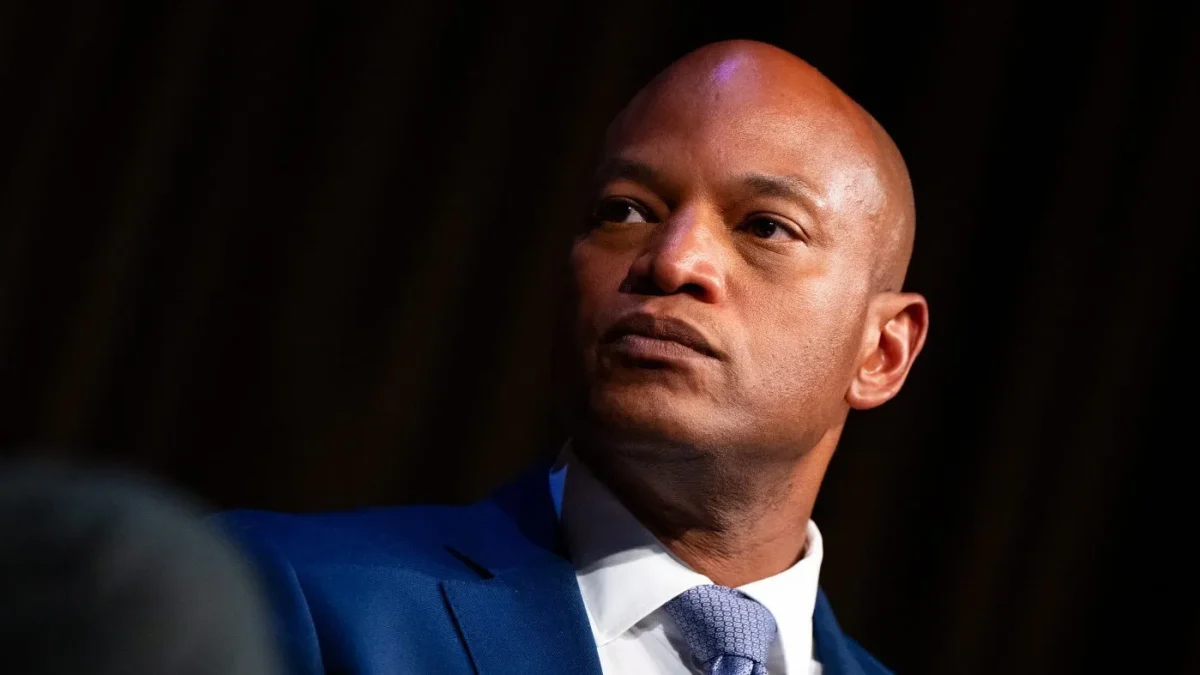
Table of Contents
Moore Says Trump Uses Constitution as Suggestion Box
Provpnadvice.com – Moore says Trump uses Constitution like a “suggestion box” after the president barred reporters from CNN, Politico and MS NOW from covering the White House in person. Maryland Gov. Wes Moore argued that the restrictions conflict with constitutional protections for freedom of the press.
During a Sunday appearance on CNN’s “State of the Union,” hosted by Dana Bash, the Democratic governor said the dispute involved more than criticism of individual news outlets. He said the public depends on journalists being able to question officials and report on the actions of government.
“The founding fathers of this country found it to be so important that they made things like the freedom of the press and free speech and freedom of assembly so important that they made it the First Amendment, the first thing they wanted to get done in this country,” Moore said.
Moore says Trump uses Constitution protections selectively when coverage does not meet the president’s approval. He said the administration should pay closer attention to the principles contained in the nation’s governing document.
“Continues to use the Constitution like it is a suggestion box simply because he does not like the coverage,” Moore said.
“I would just hope that this administration would spend a little bit of time reading, instead of just talking,” he said.
White House Restrictions Follow Trump’s Post
Trump announced the restrictions in a Friday Truth Social post, saying they took effect immediately. He cited what he called the outlets’ continued reporting of “FAKE NEWS!” and suggested other news organizations could face similar limits.
Reporters from CNN, Politico and MS NOW were denied entry to White House grounds on Saturday. The outlets condemned the decision, while MS NOW said it would take necessary steps to defend the First Amendment rights of its reporters covering the president.
White House access is a major part of daily political reporting. Reporters attend briefings, seek answers from administration officials and observe events that may affect federal policy. Critics say excluding selected organizations can limit the public’s direct access to information, even when those outlets can continue reporting in other ways.
Waltz Defends Trump’s Authority
U.S. Ambassador to the United Nations Mike Waltz defended Trump during the same CNN broadcast. Waltz said the president had the authority to prevent reporters from covering him in person and urged news organizations to examine their reporting practices.
“I would hope that the media would take a good introspective look at itself and its practices, because it throws things out there and then puts a little baby correction that nobody pays attention to, and it sticks to people like napalm,” Waltz said.
Bash challenged Waltz’s position, highlighting the larger debate over how public officials should respond to reporting they view as inaccurate or unfair. Opponents of the ban argue that officials can answer reports with statements, corrections and public debate rather than restricting access for journalists.
Weijia Jiang, a CBS News senior White House correspondent and former president of the White House Correspondents’ Association, said the issue reaches beyond the three affected outlets. She described press access as essential to gathering information for the public.
“This is a restriction of information that we work so tirelessly to gather, to give to the public,” Jiang said.
Frequently Asked Questions
Which outlets were affected by the White House restrictions? CNN, Politico and MS NOW reporters were denied entry to the White House grounds after Trump announced the restrictions.
What did Wes Moore say about the ban? Moore says Trump uses Constitution principles as though they are optional, arguing that press freedom and free speech are fundamental rights.
Why does White House press access matter? Access allows journalists to attend events, question officials and report directly on the president and executive branch for audiences across the United States.