Russia targets Ukraine energy facilities despite Trump ‘energy ceasefire’

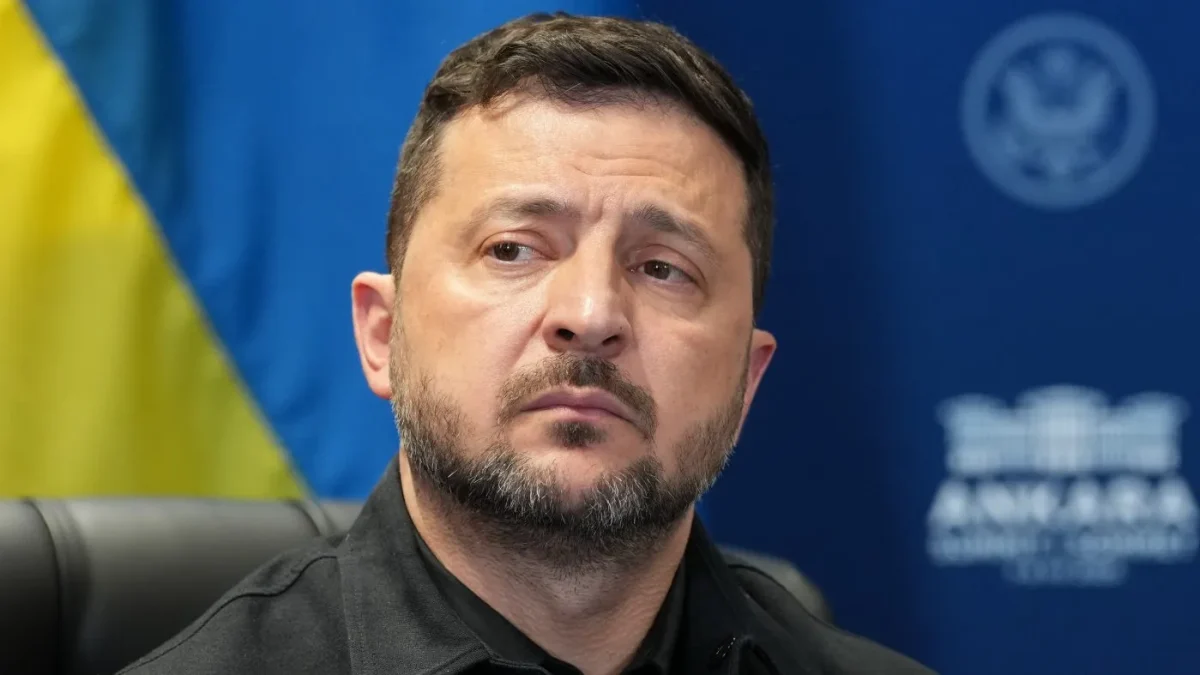
Table of Contents
Ukraine Says Russian Energy Strikes Continued After Claimed Ceasefire
Provpnadvice.com – Ukraine’s energy system remained under attack on Monday, President Volodymyr Zelensky said, despite President Trump’s announcement that Kyiv and Moscow had agreed to stop hitting each other’s energy infrastructure.
Zelensky said Russian forces struck a thermal power station in Kharkiv as well as other energy-related sites. The reported attacks came one day after Trump said an immediate halt to such strikes had been agreed during a telephone call with Russian President Vladimir Putin.
“It is clear that [Russian President Vladimir] Putin does not read Truth Social, and his ‘shahed’ drones follow a different set of instructions,” Zelensky wrote Monday on X.
The exchange underscored the difficulty of turning a publicly announced pause into an enforceable arrangement on the ground. Energy facilities have been a central concern throughout the war because damage to generation, transmission and heating infrastructure can disrupt daily life far beyond the immediate area of an attack. For Ukraine, protecting critical services is closely tied to the country’s ability to withstand continued military pressure.
Kyiv Seeks Equal Terms for Any Pause
Trump announced the proposed energy ceasefire on Sunday through Truth Social. He said both sides had agreed to stop targeting energy infrastructure immediately and warned against violations.
Zelensky, however, said Ukraine was surprised by the declaration and first learned of it through media coverage while he was attending the Warsaw Security Forum in Poland. Ukraine supports the idea in principle, he said, but Kyiv does not intend to halt retaliatory operations unless Russia also ends its attacks on Ukrainian energy facilities and other vital infrastructure.
“If Russia wants us to stop our long-range strikes against its oil refineries and oil exports, then Russia must stop its strikes against our energy system and critical infrastructure. This is only fair,” Zelensky wrote.
Ukraine’s position reflects the different targets involved in the dispute. Kyiv has used long-range attacks against Russian oil refineries and petroleum exports, while Moscow has repeatedly targeted Ukraine’s power and other essential systems. Zelensky has argued that a one-sided restriction would leave Ukraine exposed while limiting one of its tools for putting pressure on Russia.
He called on the Trump administration to press Moscow to follow through. A functioning agreement focused on energy could serve as a limited confidence-building step, Zelensky suggested, and potentially contribute to wider efforts to end a war that has lasted more than four years.
Refineries and Fuel Prices Add to Friction
The dispute has also sharpened tensions between Trump and Zelensky over Ukrainian strikes on Russian refineries. Trump has linked those attacks to rising diesel prices in the United States ahead of November’s midterm elections.
On Saturday, Trump told Zelensky he had “better damn well stop” attacking Russian refinery facilities. The warning followed an agreement Trump reached with Putin a day earlier to purchase 300,000 tons of Russian diesel, a move intended to ease fuel costs.
Zelensky strongly criticized that diesel arrangement, saying it would give Russia additional resources for its war against Ukraine. His response framed the purchase as more than a fuel-market decision, arguing that revenue from petroleum sales can strengthen Moscow’s capacity to continue the conflict.
“Gifts to Putin will not bring peace or any benefit to the civilized world,” Zelensky wrote in a lengthy post on X. “Russia will ‘repay’ the diesel with further terror and perfidy. Allowing Russia to sell petroleum products is an investment in a war that must be ended, not prolonged.”
The disagreement illustrates how energy policy, military strategy and domestic economic concerns have become intertwined. A ceasefire focused on energy infrastructure would require clear expectations for both sides: what types of facilities are covered, how alleged violations are assessed and whether there are consequences when attacks continue. Without those elements, competing claims could quickly undermine the proposal.
For Ukrainians, the issue is immediate. Damage to energy facilities can affect electricity, heating, businesses and public services, especially when attacks are repeated. Zelensky’s remarks signaled that Kyiv sees protection of its critical infrastructure as inseparable from any discussion of limiting its own long-range operations.
Whether the announced pause can take hold will depend on events beyond public statements. Trump has presented the arrangement as an opening for de-escalation, while Zelensky has made clear that Ukraine will judge it by Russia’s actions against the country’s energy network. The reported strikes in Kharkiv and elsewhere have already placed that test at the center of the diplomatic dispute.
Related Reading
Frequently Asked Questions
What is Russia targets Ukraine energy facilities despite?
Russia targets Ukraine energy facilities despite is the main topic of this guide. The article explains the context, practical details, and next steps readers should understand.
Why does Russia targets Ukraine energy facilities despite matter?
Russia targets Ukraine energy facilities despite matters because readers are looking for a useful answer, not just a short summary. Good content should match search intent and help them decide what to do next.