Zelensky says critics blaming him for Russia-Ukraine war ‘can’t find a key how to stop Putin’

Table of Contents
Zelensky Responds to Critics Over Russia-Ukraine War
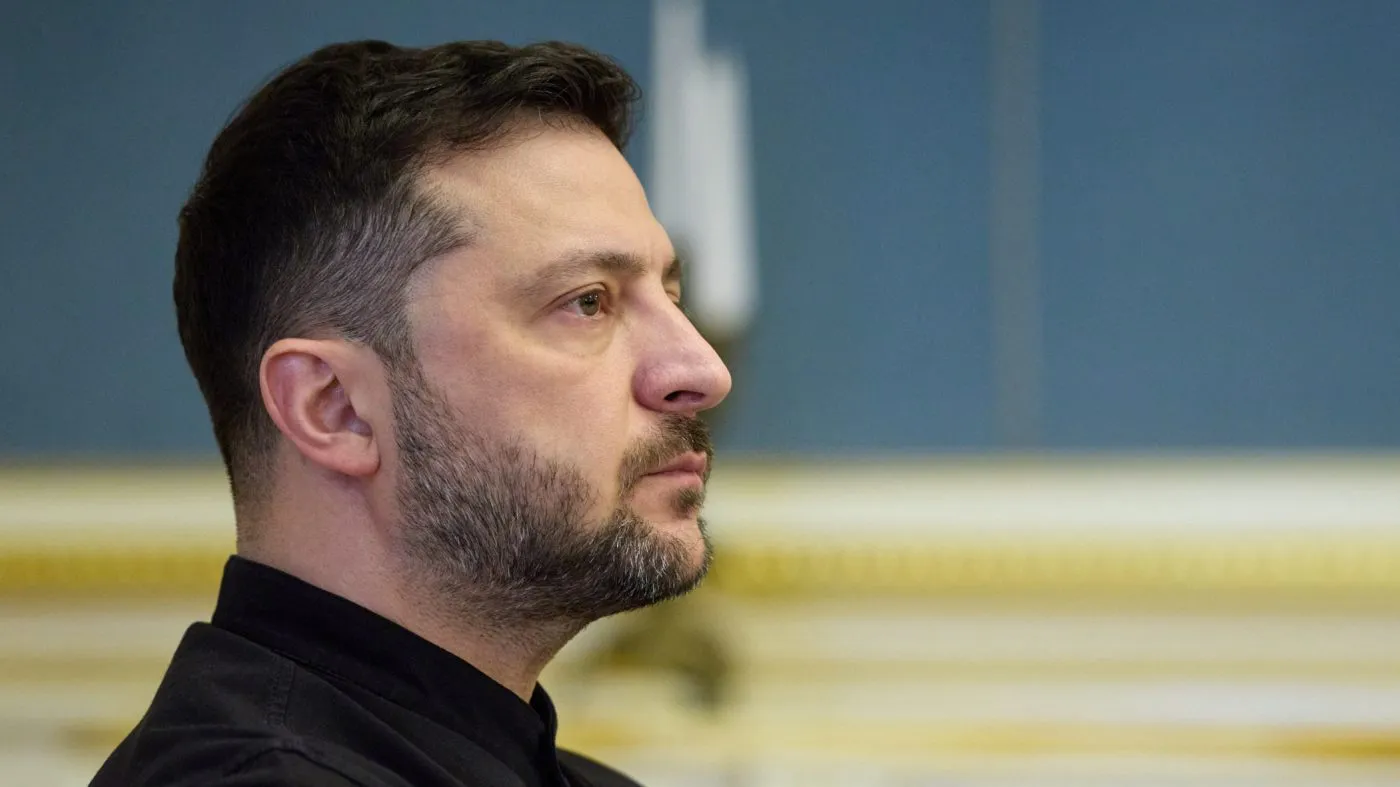
Provpnadvice.com – Zelensky says critics blaming him for Russia’s war against Ukraine are focused on the wrong problem: how to stop Russian President Vladimir Putin. In an interview with Jonathan Karl, Ukrainian President Volodymyr Zelensky defended his leadership as debate intensified among prominent U.S. figures.
President Trump had said Ukraine should seek “a new leader who can make a deal.” His comments followed Zelensky’s criticism of a U.S.-Russia diesel arrangement. Elon Musk has also argued that Zelensky has gone too far.
“These people can’t find a key [for] how to stop Putin,” Zelensky said.
Zelensky argued that criticism of Ukraine’s government does not address Russia’s continued military campaign. He said discussion of leadership and fuel prices should not distract from the wider challenge of ending the conflict.
Oil Prices and the War Debate
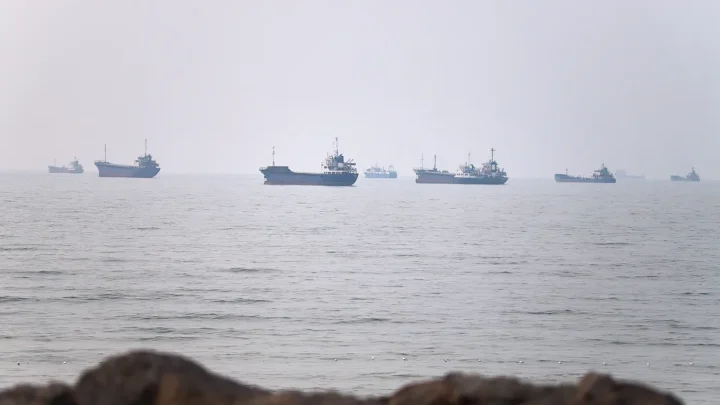
Zelensky also rejected claims that the Russia-Ukraine war is the main reason for higher oil prices. He said the rise was connected to the war involving Iran and disruptions to shipping through the Strait of Hormuz, an important route for global energy supplies.
He called for a more direct public conversation about the pressures affecting fuel markets rather than attributing every increase to Ukraine’s conflict with Russia.
“Don’t play games with people,” Zelensky said.
Ukraine Elections and a Possible Ceasefire
Questions about elections have become part of the political dispute. Zelensky says critics blaming him should recognize that Ukrainians—not foreign leaders—must decide who governs the country. He nevertheless said holding a secure nationwide election during active fighting would be extremely difficult.
Russian attacks on infrastructure and civilian areas, along with the displacement of millions of Ukrainians, present major obstacles to voting. Military personnel, people living in occupied territory and Ukrainians abroad would all need a safe and fair way to participate.
Zelensky said Putin has long wanted a change in Ukraine’s president. He said he had discussed elections with Trump’s team and proposed a full 60-day ceasefire as a condition for organizing a vote.
“Give us two months, 60 days off. Total ceasefire, 60 days, and we will organize elections,” Zelensky said.
He said Ukraine would accept the choice made by its people under those circumstances. The proposal presents an election as dependent on enough security and stability to make the process credible.
Questions Over an Energy Truce
After the interview aired, Trump said Ukraine and Russia had agreed to stop attacks involving energy targets. Ukraine has sought to disrupt Moscow’s energy grid, while Russian forces have continued striking Ukrainian infrastructure.
“Both parties have agreed,” Trump wrote on Truth Social. “Do not break it!”
Zelensky later told Axios that the announcement was new to him. He said Ukraine could consider an energy-focused halt in attacks, even if it did not amount to a broader settlement.
“Don’t attack us. Don’t kill our children. We will stop attack your diesel,” Zelensky said. “And I think it’s fair, fair deal.”
Russia’s attacks on Ukrainian energy facilities have repeatedly threatened vital services. Ukraine’s strikes on Russian energy infrastructure have meanwhile formed part of its effort to impose costs on Moscow’s war capacity.
Frequently Asked Questions
Why does Zelensky oppose elections during the war?
He says a nationwide vote would be difficult to conduct safely and fairly while Russian attacks continue and many Ukrainians are serving in the military, living abroad or residing in occupied areas.
What ceasefire did Zelensky propose?
He proposed a total 60-day ceasefire that would give Ukraine time to organize elections.
What would an energy ceasefire involve?
It would limit attacks on energy-related targets. Zelensky described it as a possible practical step, while maintaining that ending the war remains the preferred outcome.