Iraq oil pipeline plan would take years to build, cost billions: Report

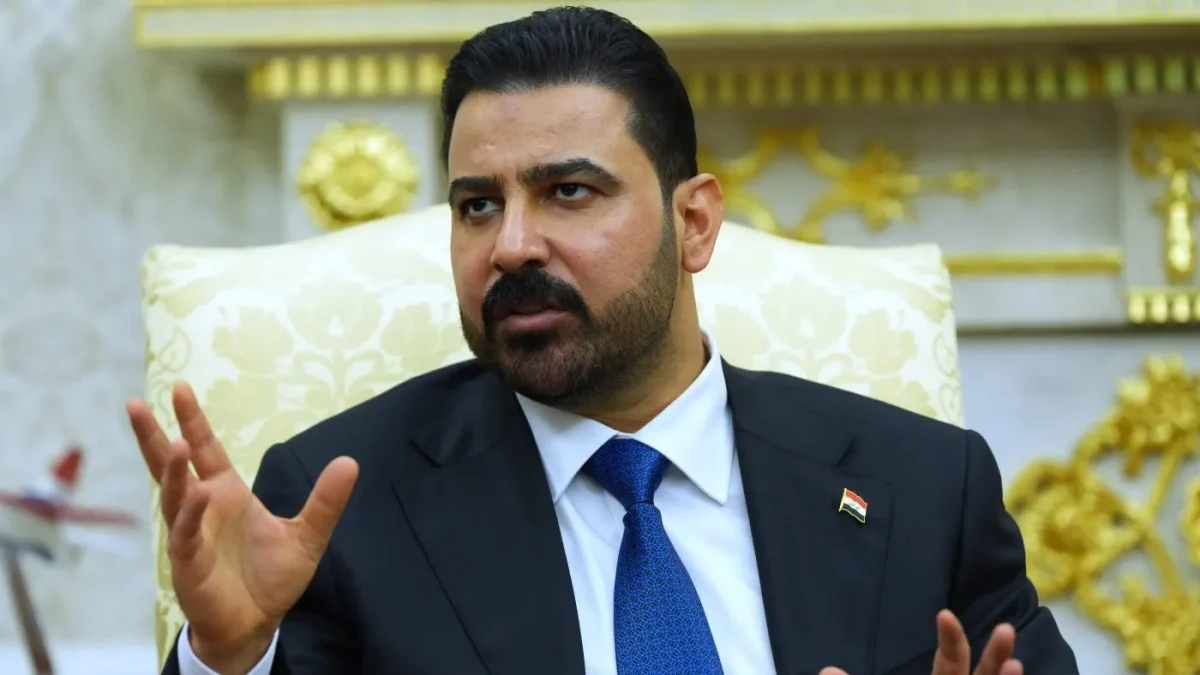
Table of Contents
Iraq’s $15 Billion Pipeline Gamble Through Syria Faces a Four-Year Buildout
Provpnadvice.com – A sweeping Iraqi initiative to reroute crude exports through Syria — bypassing the Strait of Hormuz entirely — will require roughly four years of construction and carry a price tag of at least $15 billion, two sources familiar with the project confirmed this week. The timeline represents a doubling of the schedule previously floated by Washington officials, reflecting the sheer scale of new infrastructure needed and the regulatory obstacles still unresolved on the Syrian side of the border.
A Strait Under Pressure
The project’s urgency stems from a prolonged closure of the Strait of Hormuz amid the ongoing conflict between Iran, the United States, and Israel. For decades, the narrow waterway between Iran and Oman has served as the chokepoint through which roughly a fifth of global oil consumption flows. Its current shutdown has sent shockwaves through energy markets, spiking fuel costs from Houston to Tokyo and reshaping export logistics for every Gulf producer.
Treasury Secretary Scott Bessent framed the stakes bluntly in a public interview last week, asserting that well over half of the crude normally transiting the strait would shift to overland pipeline routes within a short window.
“Over the next two years, the strait is going to become irrelevant. It is going to become just another body of water,” Bessent said.
He added that between 50 and 70 percent of oil exports typically routed through the strait would be redirected through underground pipeline corridors. The four-year construction estimate now circulating among project insiders effectively pushes that transition well beyond the two-year horizon Bessent outlined, introducing a gap in which Gulf producers remain exposed to the strait’s continued closure.
Reviving a Decades-Old Corridor
The Iraqi plan is not a greenfield build. It rehabilitates a pipeline corridor that once linked the Kirkuk oil fields in northern Iraq to the Mediterranean port of Banias in Syria. That original line fell into disuse after successive wars left its infrastructure shattered; it has not carried regular commercial volumes since the 1980s. What the new project adds is a fully integrated crude-oil system connecting Iraq’s southern producing regions to its northern fields, funneling both into a central processing hub at Haditha in western Iraq before the line runs eastward across the Syrian border to Banias.
One source noted that the refurbishment schedule must absorb the task of clearing decades-old abandoned infrastructure along the route and securing land-use approvals from Syria’s current leader, Ahmad al-Sharaa. Those approvals remain outstanding and represent a diplomatic variable that could stretch the timeline further.
Industrial and Financial Backing
The initiative has attracted substantial Western and Gulf capital. Chevron, ConocoPhillips, and Qatar’s UCC Holding signed on to a pipeline agreement in June, backed by U.S. government financial support. The consortium’s involvement signals that major integrated oil companies view the overland corridor as a structural shift in Middle East export geography rather than a temporary workaround.
The commercial logic is straightforward: a pipeline to the Mediterranean eliminates dependence on a single maritime chokepoint, reduces transit insurance premiums, and shortens delivery times to European and North African refineries compared with the longer Hormuz-to-Suez routing.
Political Dimensions
The pipeline deal gained momentum after Iraqi Prime Minister Ali al-Zaidi met President Trump, who characterized Iraq’s hydrocarbon endowment as representing “tremendous potential wealth.” Iraq holds the world’s fifth-largest proven crude-oil reserves, a position that has historically made its export infrastructure a strategic priority for Baghdad and, increasingly, for Washington.
For the Iraqi government, which has absorbed significant economic pain from the strait’s closure, the pipeline offers a hedge against future geopolitical disruptions. For the United States, it deepens energy-sector entanglement with Baghdad and creates a physical infrastructure dependency that aligns Iraqi export interests with American security commitments in the region.
Market Fallout and Consumer Impact
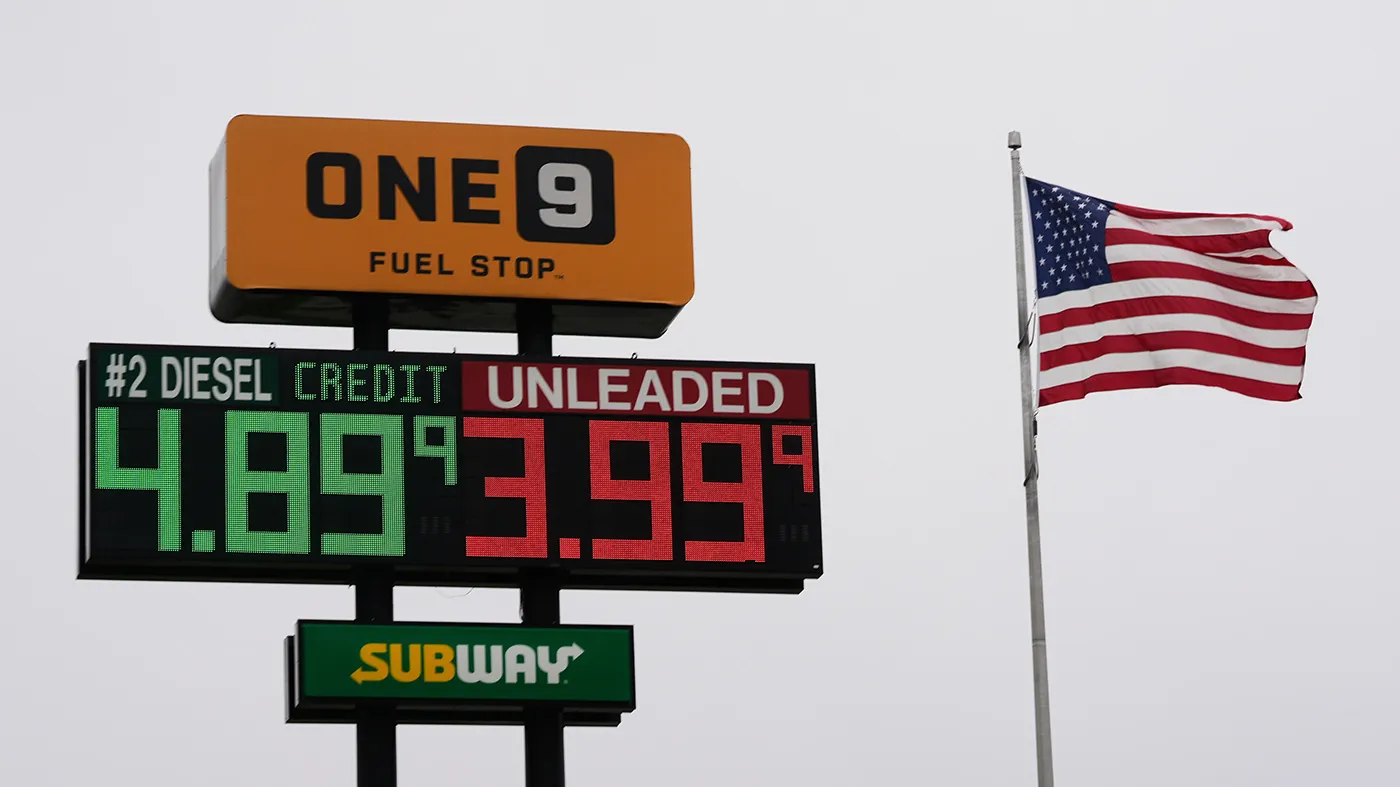
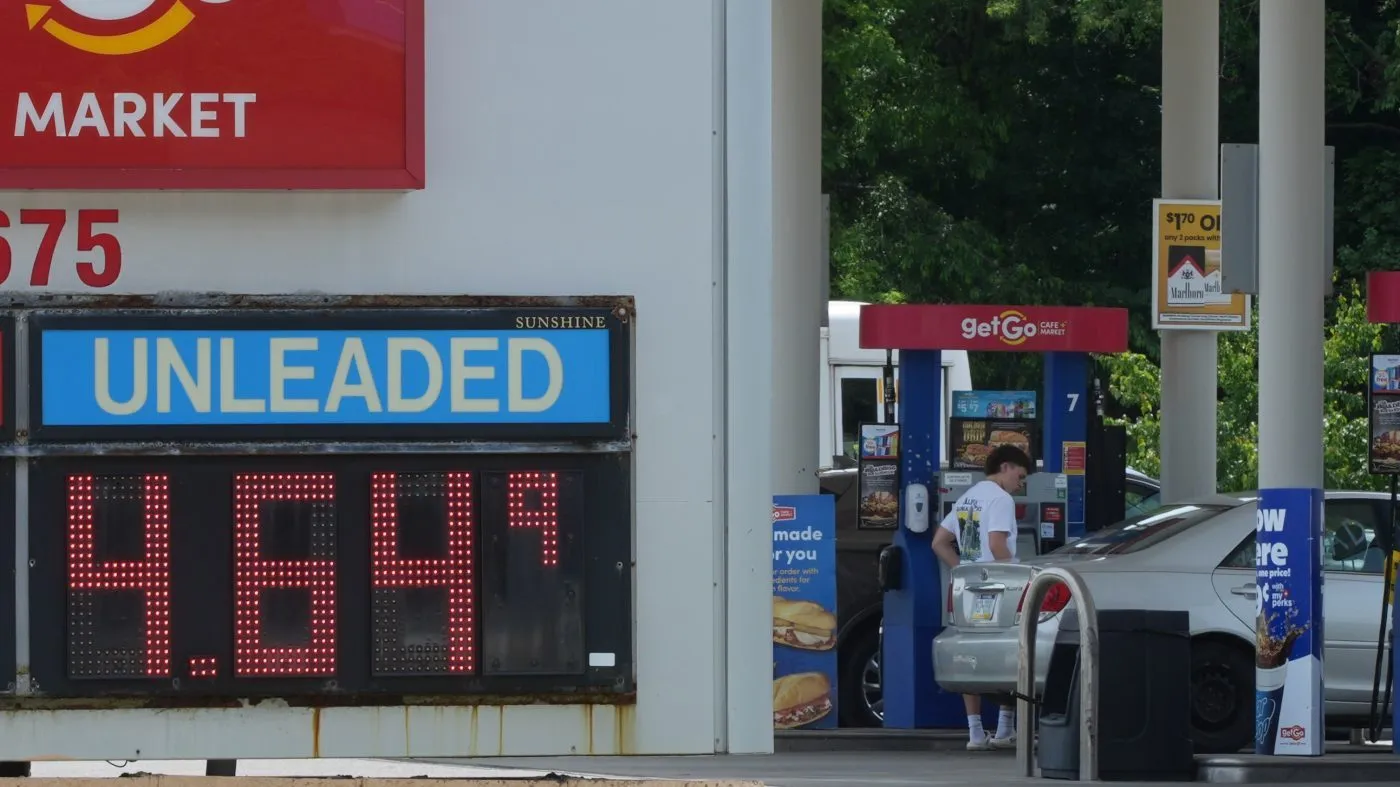
The broader energy-market consequences of the Hormuz shutdown are already visible at the pump. Chevron Chair and CEO Mike Wirth described the post-war energy landscape as “somewhat fragile and uncertain” in a public interview earlier this month, noting that gas and oil prices have surged since hostilities began.
In the United States, the American Automobile Association reported that the national average gasoline price on Monday stood at $4.06 per gallon, a jump from $3.14 at the same point a year earlier. That roughly 30 percent increase has fed into inflation pressures and political debate over energy policy, adding domestic urgency to the case for diversifying export routes away from the strait.
What Comes Next
With the four-year timeline now the working assumption, the earliest meaningful volumes from the rehabilitated corridor would not arrive before the middle of the next decade. In the interim, Gulf producers face continued exposure to strait disruptions, elevated shipping costs, and the risk of further escalation in the Iran conflict. The $15 billion investment, if executed on schedule, would represent one of the largest single-infrastructure energy projects in the Middle East since the Saudi East-West pipeline of the 1950s — and would permanently redraw the map of how Middle Eastern crude reaches global markets.
Related Reading
Frequently Asked Questions
What is Iraq oil pipeline plan would take?
Iraq oil pipeline plan would take is the main topic of this guide. The article explains the context, practical details, and next steps readers should understand.
Why does Iraq oil pipeline plan would take matter?
Iraq oil pipeline plan would take matters because readers are looking for a useful answer, not just a short summary. Good content should match search intent and help them decide what to do next.