How a heat dome works

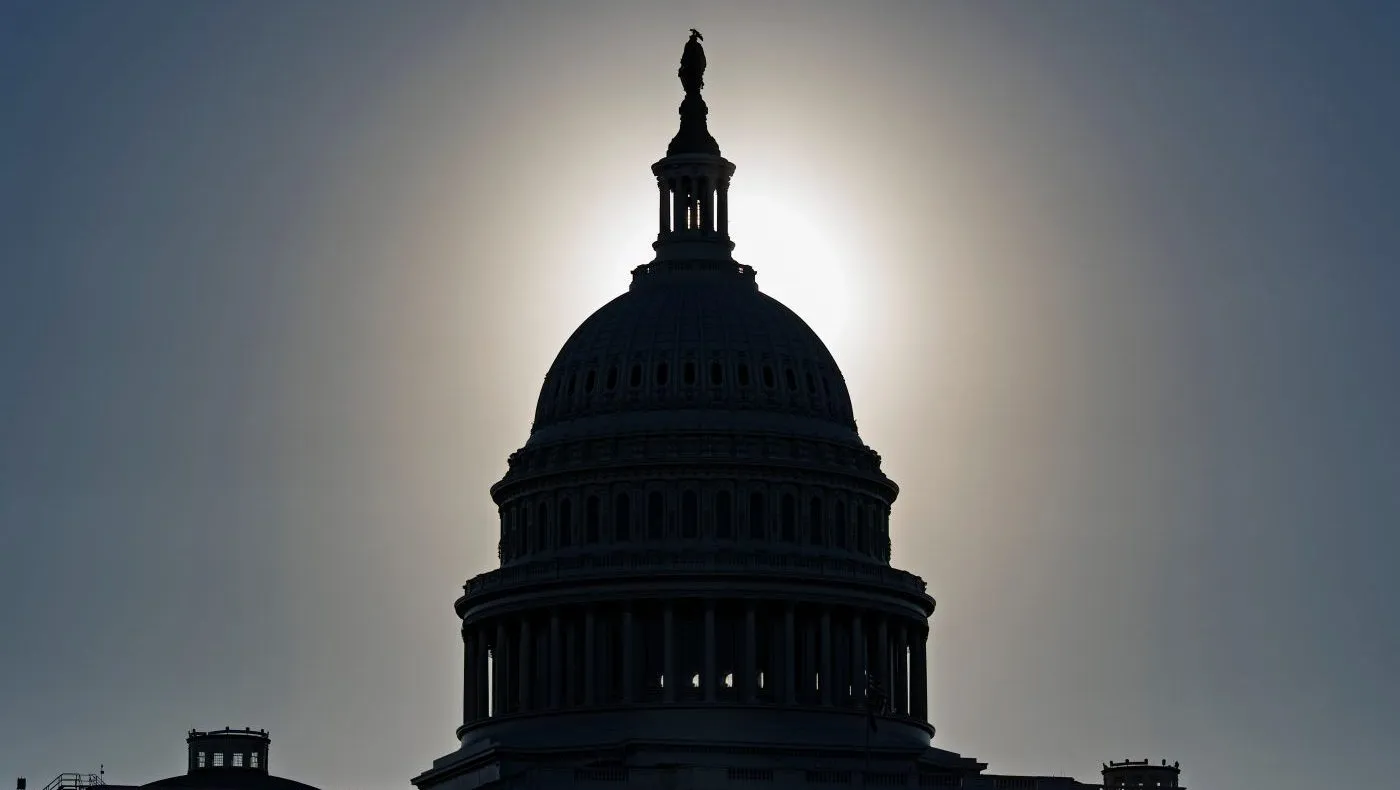
How a Heat Dome Works
Provpnadvice.com – As millions of Americans prepare to commemorate the nation’s 250th year, the Fourth of July holiday is facing a significant weather challenge. What meteorologists refer to as a heat dome is expected to blanket much of the country, transforming the weekend into a period of extreme heat. This phenomenon, which creates prolonged periods of intense warmth, is not only affecting the East Coast but also extending its reach into the South and parts of the Midwest.
The Science Behind a Heat Dome
A heat dome is a weather pattern characterized by a mass of warm air that becomes trapped beneath a high-pressure system. This system acts like a lid, preventing cooler air from moving in and allowing the hot air to stagnate over a region. The result is a prolonged period of high temperatures, often surpassing normal levels by a significant margin. The National Integrated Heat Health Information System (NIHHIS) explains that such events are rare but can have devastating effects on public health, especially for the elderly and those with chronic illnesses.
Historically, heat domes have caused major disruptions. One of the most notable examples occurred in the Pacific Northwest in 2021, where temperatures soared to unprecedented levels. The Centers for Disease Control and Prevention (CDC) reported that over 1,000 people sought emergency care for heat-related illnesses during that period. In Oregon and Washington, record-breaking heat was recorded, with Portland’s high temperature reaching 116 degrees—a stark contrast to the typical June average of 74 degrees.
Regional Forecast and Heatwave Trends
The National Weather Service (NWS) has issued detailed forecasts for the upcoming days, highlighting the severity of the heat dome’s impact. Along the Eastern Seaboard, temperatures are projected to climb to 100 degrees throughout the weekend. The combination of high humidity and heat indices will make the conditions feel even more oppressive, potentially pushing the perceived temperature beyond 108 degrees in certain areas.
Washington, D.C., and the broader DMV region (which includes Maryland, Virginia, and the District of Columbia) are under extreme heat warnings until late Saturday. The NWS anticipates that heat index values will peak at 112 degrees on Friday and remain around 111 degrees on Thursday. By Saturday, the heat index is expected to slightly decrease to 110 degrees, though the relative humidity will fluctuate, reaching 70 percent by 2 a.m. on Sunday after dropping to 48 percent in the early afternoon.
While the heat dome’s influence will gradually wane by the end of the weekend, it will shift toward the Plains, easing conditions in the Northeast. New England and the interior Northeast are expected to see some relief on Sunday, with temperatures moderating into the 90s and high 80s. However, cities like New York and Philadelphia may still reach 100 degrees, with heat indices nearing the same threshold. In Boston, the high could hover near 97 degrees, but the discomfort will persist due to lingering humidity and higher perceived temperatures.
Health Risks and Preventative Measures
AccuWeather has emphasized the importance of taking precautions against heat-related illnesses. The organization urges individuals to limit outdoor exposure, especially during the peak heat hours, and to monitor for symptoms such as intense thirst, dizziness, nausea, and a rapid heartbeat. Recommendations include wearing light-colored, loose-fitting clothing to promote airflow and reducing activities to the cooler parts of the day, such as early morning or evening.
“Anyone who chooses to be outside should be mindful of their risk and take steps to stay hydrated and cool,” AccuWeather advised. “It’s crucial to recognize the signs of heat exhaustion before they escalate into more severe conditions.”
These measures are particularly important for communities that may not have access to air conditioning. Prolonged exposure to high temperatures can lead to heatstroke, which is a life-threatening condition. The NWS has also warned that vulnerable populations, including children, the elderly, and those with preexisting health conditions, are at greater risk. Public health officials are urging people to stay indoors, use fans or air conditioning, and check on neighbors who may be at risk.
Impact on Celebrations and Daily Life
The heat dome has already begun to disrupt plans for the July Fourth celebrations. In some parts of the Eastern U.S., cities have opted to scale back or cancel outdoor events to mitigate the risks. However, Washington is set to proceed with its 250th anniversary festivities on the National Mall, despite the challenging weather conditions. The city’s forecast calls for a high of 103 degrees, with temperatures slowly cooling into the 90s by midnight on Sunday.
President Trump is scheduled to address the crowd on Saturday night, promising a “really long speech just to show that I can do anything” before the fireworks display. This event will serve as a test of the nation’s resilience to the extreme weather. While the heat will continue to challenge residents, the NWS has noted that a shift in the jet stream may bring some relief to the region starting Sunday, easing the pressure on the heat dome and allowing for a gradual cooldown.
As the weekend progresses, the focus will shift from intense heat to manageable conditions. However, the persistence of high humidity and the potential for heat index values to remain near 100 degrees will keep the weather uncomfortable. Communities are advised to stay informed and take advantage of the cooler hours to avoid heat-related complications. With the Fourth of July marking a pivotal moment in the nation’s history, the weather’s influence on the celebration underscores the importance of preparedness in the face of extreme climate events.