Mixed messages on Strait of Hormuz create uncertainty for oil

Mixed Messages on Strait of Hormuz Create Uncertainty for Oil
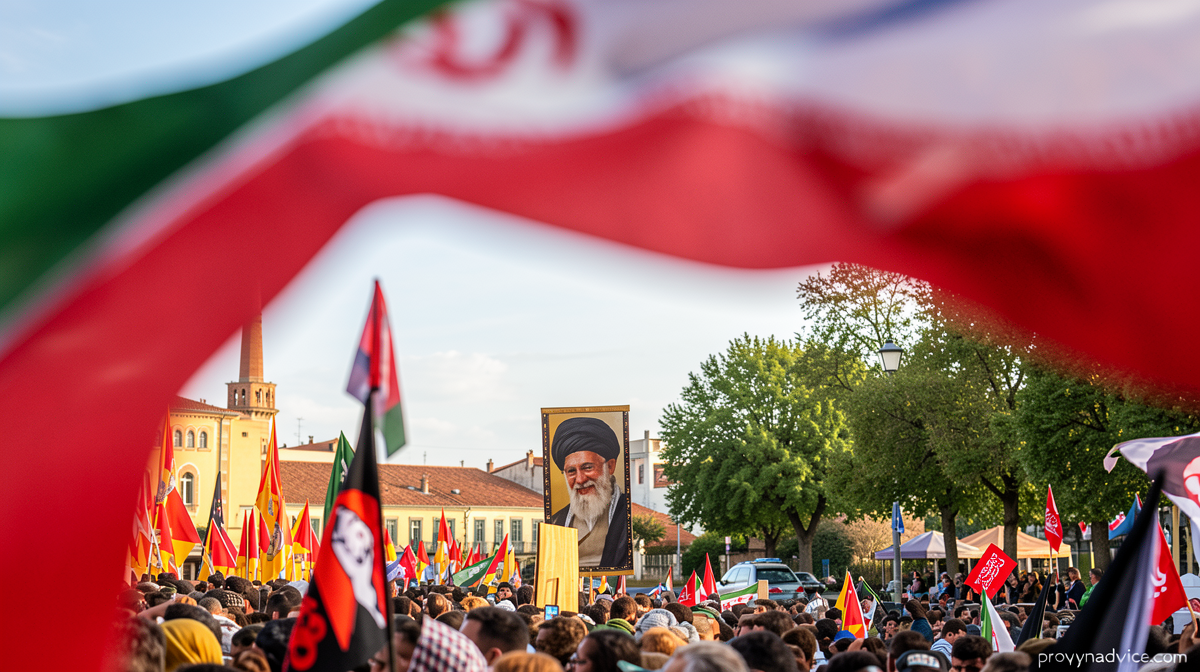
Provpnadvice.com – The conflicting statements from the United States and Iran regarding the Strait of Hormuz have introduced new layers of unpredictability into the region’s critical oil transportation routes and the broader global energy market. Over the weekend, the Iranian military announced plans to shut down the strategic waterway in response to Israeli strikes in Lebanon, while Washington assured that the channel remained open. This divergence in messaging has left international shipping operators and energy analysts in a state of cautious anticipation, unsure of the long-term stability of the vital maritime passage.
Strait of Hormuz Closure and Initial Reactions
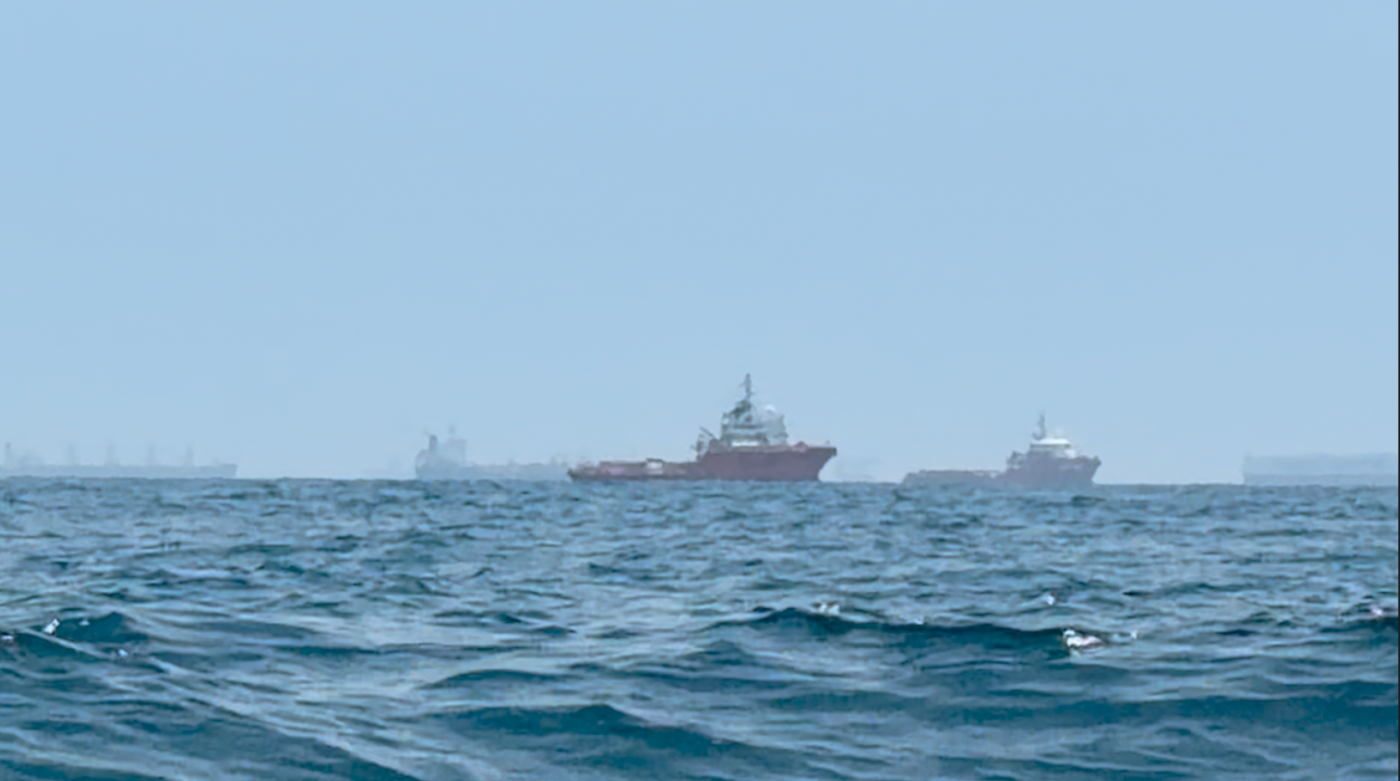
U.S. Central Command reported on Saturday that commercial vessel traffic through the strait had “increased” compared to previous days, and that “safe passage remained intact.” However, these assurances came amid Iran’s declaration that it would close the waterway, a move that could disrupt global oil flows. The strait, a narrow channel between the Persian Gulf and the Gulf of Oman, serves as a crucial conduit for approximately 20% of the world’s oil exports. Its closure has historically caused ripples in global markets, and the current situation has reignited concerns about potential disruptions.
Despite the initial optimism from the U.S., analysts noted that the strait’s full operational capacity might not be restored quickly. The 60-day ceasefire agreement between the two nations, while providing temporary relief, does not guarantee immediate resumption of prewar shipping levels. Patrick De Haan, head of petroleum analysis at GasBuddy, highlighted the lingering uncertainty, stating on Monday that “everything’s unpredictable.” He emphasized that ship operators might take time to rebuild confidence, as they weigh the risks of navigating a waterway that could once again be targeted.
Market Reactions and Price Movements
The oil market showed relative calm on Monday afternoon, with U.S. benchmark West Texas Intermediate crude trading at around $75 per barrel. This was a slight decline from its price late last week, reflecting some relief after the weekend’s tensions. Yet, the stability masked deeper concerns. Since the conflict began earlier this year, Iran’s periodic closures of the strait had driven oil prices to a peak of $4.56 per gallon for gasoline in the U.S., a level that had not been seen in months. By Monday, the average had eased to $3.93, according to AAA, but the market remained on edge.
De Haan pointed out that the U.S. and Iran have both vested interests in maintaining the agreement. “Americans and their affinity for cheap energy is kind of a driving power right now,” he said. “Imagine the pressure of seeing … $5 gas and $6 diesel, that would really be the undoing of the GOP under Trump.” For Iran, the peace deal offers a temporary reprieve from U.S. sanctions, which could allow the country to reestablish its oil export capabilities without immediate economic repercussions. However, the agreement’s lack of enforceable mechanisms has left some questioning its effectiveness.
Uncertainty in Compliance and Monitoring
While the MOU between the U.S. and Iran outlined a 60-day period of safe passage for commercial vessels, it left many questions unanswered. Christopher Aversano, director of maritime partnerships for Wood Mackenzie, observed that the recent closure had caused a noticeable drop in vessel traffic. On Saturday, vesseltracker.com recorded around 50 ships entering the strait, but this number dropped significantly the following day. Aversano noted that the reason for the decline was unclear, citing possibilities such as ships disabling their AIS tracking systems or hesitating due to Iran’s threat to block the passage.
“It is unclear whether vessels simply switched off their AIS tracking, or whether they held back due to Iran’s declaration that the Strait was closed,” Aversano said. The automatic identification system (AIS), which allows ships to broadcast their positions, has become a key tool for monitoring maritime activity. Its use or absence can signal shifts in confidence among operators. The lack of clarity in the agreement’s compliance measures has been a recurring issue, with Tom Kloza, chief oil analyst for Gulf Oil, warning last week that the market had “overreacted with a little too much unbridled optimism.” He argued that the MOU fails to address critical aspects of enforcement, leaving open the possibility of renewed disruptions.
Geopolitical Implications and Ongoing Concerns
Clay Seigle, a nonresident scholar in energy security at the Center for Strategic and International Studies, echoed similar concerns, noting that the agreement might not fully alleviate the risks. “Ship owners will probably be cautious, and they’ll probably be gradual about moving to resume normal activities,” he said. This caution is rooted in the understanding that Iran retains the ability to impose stricter tolls or resume attacks on shipping lanes, a capability that could once again threaten the stability of the region.
Seigle added that the recent events have underscored a broader geopolitical dynamic: Iran’s strategic leverage in the Gulf. “Now we know Iran always has the option of getting strict with tolls and/or resuming hostilities against shipping or assets,” he explained. This sentiment reflects a growing awareness that the strait is not just a geographical point but a symbolic battleground for global energy dominance. Analysts suggest that the U.S. and Iran’s ability to manage this tension will determine the future of the waterway and, by extension, the global oil market.
Meanwhile, the 60-day ceasefire has been welcomed as a temporary measure, but its success depends on Iran’s willingness to maintain the agreement. The MOU also includes a provision for Iran to engage in dialogue with Oman to define the long-term governance of the strait. This collaboration could be a key factor in ensuring the waterway remains open, though it has yet to resolve the core issue of security and compliance. As the world watches, the balance of power in the region continues to shift, with energy markets reacting to every development in real time.
The ongoing uncertainty has prompted a renewed focus on alternative energy routes and supply chain diversification. While the Strait of Hormuz remains a vital artery for global oil, its instability has highlighted the need for contingency plans. The U.S. and Iran’s mixed signals have not only affected immediate shipping patterns but also influenced long-term strategies for energy security. As the 60-day period progresses, the question remains: will this agreement pave the way for stability, or will it simply delay the next crisis?