Trump opens up Pacific marine national monuments to commercial fishing

Trump Opens Pacific Marine National Monuments to Commercial Fishing
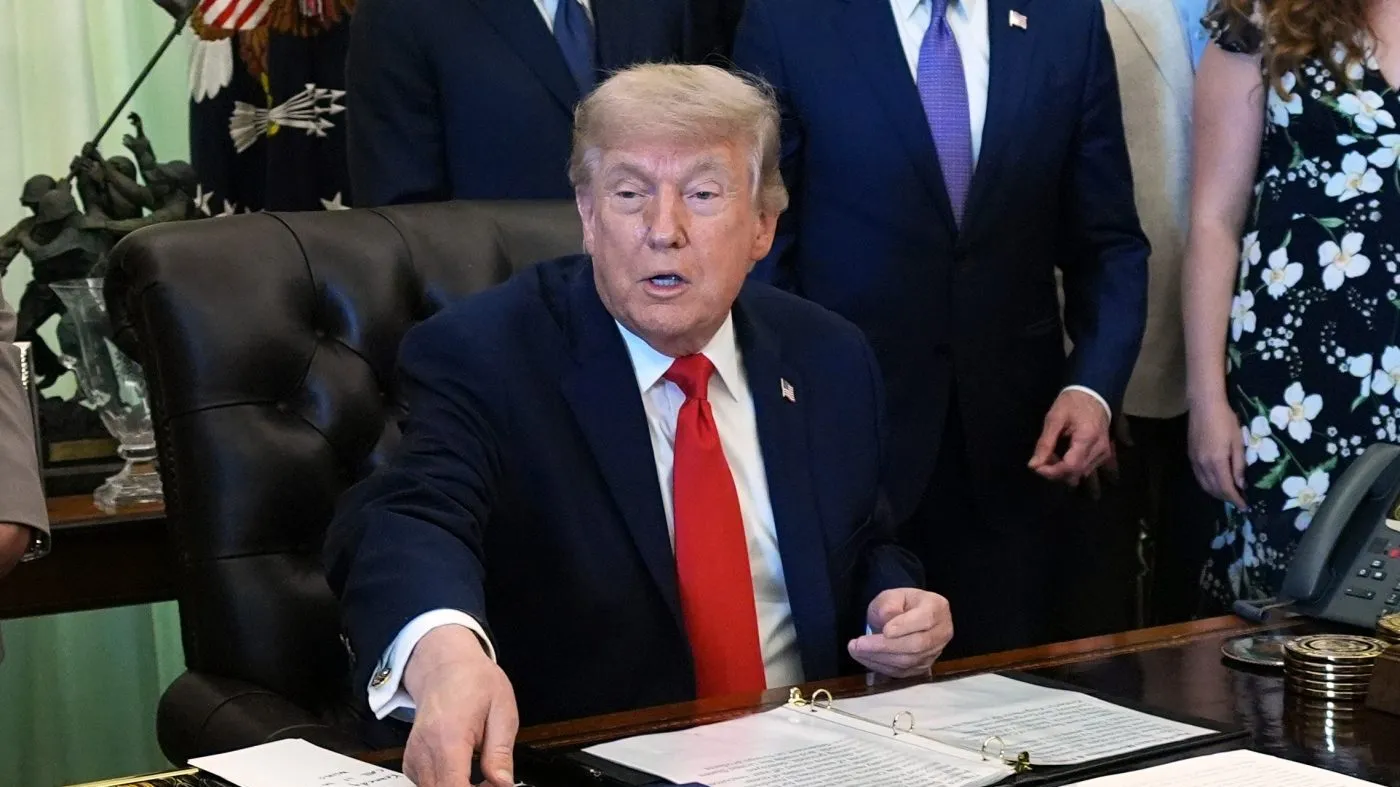
Provpnadvice.com – President Donald Trump announced a major policy shift on Thursday, lifting protections on key areas of the Pacific Ocean to allow commercial fishing operations. The decision marks a departure from prior conservation efforts and has sparked debate among environmentalists and industry stakeholders. By revising the status of three designated marine national monuments, the administration aims to balance ecological preservation with economic growth, prioritizing the fishing sector’s interests.
Key Monuments Reopened
The action affects regions surrounding the Northwestern Hawaiian Islands, the Northern Mariana Islands, and American Samoa. These areas, once safeguarded from industrial fishing, are now open to activities such as trawling, longlining, and netting. The proclamation was signed by Trump, signaling a new approach to managing marine resources. The move is part of a broader strategy to streamline regulations and promote resource utilization, according to officials.
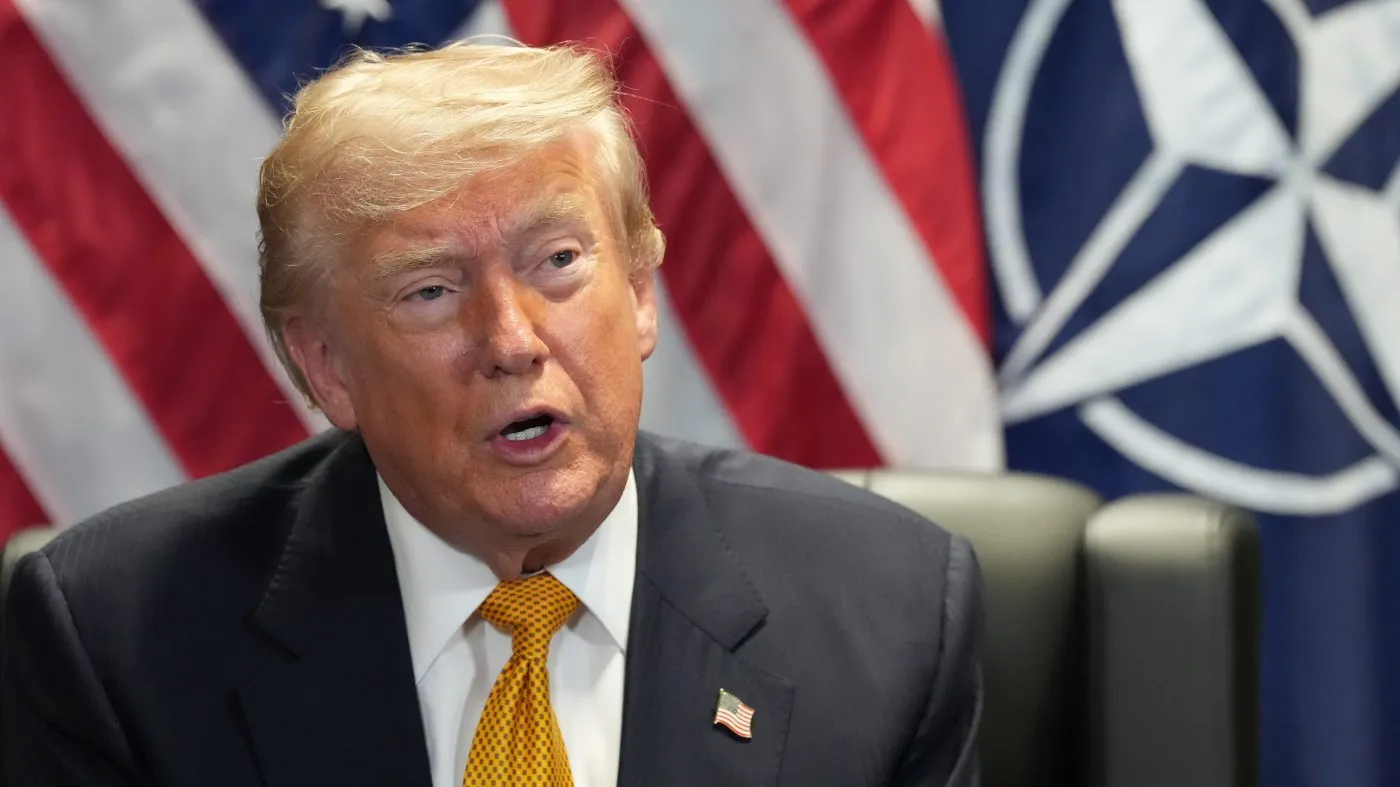
“We’re officially reopening nearly half a million square miles — wow — of water around [the] northwestern Hawaiian Islands, Northern Mariana Islands and American Samoa,” Trump stated, emphasizing the economic advantages of the change. He claimed the action would “lower seafood costs” and “protect thousands and thousands of jobs from great people that voted for Trump.”
While the president highlighted the economic benefits, critics argue the decision may compromise fragile ecosystems. The areas in question were previously set aside to protect biodiversity, coral reefs, and marine species. By allowing commercial fishing, the administration seeks to enhance access for industries that have long advocated for reduced federal oversight.
Historical Context of the Monuments
The monuments in question were first established under the administration of former President George W. Bush, who designated them to preserve critical habitats. Later, former President Barack Obama expanded the Papahānaumokuākea Marine National Monument, significantly increasing its size to encompass vast underwater regions. This expansion was a landmark effort to protect marine life in the central Pacific, but Trump’s recent move challenges that legacy.
The Mariana Trench Marine National Monument, one of the reopened zones, is located in the western Pacific and includes some of the deepest parts of the ocean. The Papahānaumokuākea Monument, known for its rich ecosystems, has been a focal point for conservationists. Rose Atoll, another area affected, is a remote atoll with unique marine habitats. Together, these regions represent a significant portion of the Pacific’s protected waters, now subject to commercial exploitation.
Economic Impact and Industry Support
Trump’s administration framed the decision as a win for the fishing industry, claiming it would unlock “billions of dollars in economic value.” The move is intended to reduce bureaucratic hurdles and expand fishing opportunities for companies and fishermen. Proponents argue that opening these areas will stimulate job creation, particularly in coastal communities reliant on seafood exports. They also suggest that increased fishing activity could lead to greater supply, potentially stabilizing prices for consumers.
However, environmental groups have raised concerns about the potential ecological consequences. They warn that these areas are home to endangered species and delicate ecosystems that could be disrupted by commercial operations. While the president’s statement highlights the economic benefits, it does not address the long-term impacts on marine life. The White House defended the policy, stating it aligns with the goal of maximizing the use of natural resources.
Broader Regulatory Changes
This decision is not the only step taken by the Trump administration to ease restrictions on commercial fishing. In previous months, the administration had already begun revising regulations in other regions, including the Northeast Canyons and Seamounts Marine National Monument in the Atlantic. These changes reflect a pattern of reducing environmental protections to support industry expansion, according to reports.
Industry representatives welcomed the updates, describing them as necessary to address the growing demand for seafood. They argue that the current regulatory framework has been too restrictive, limiting the ability of fishermen to operate efficiently. By opening up these monuments, the administration aims to provide more flexibility, enabling the fishing sector to adapt to market conditions and global supply chains.
Environmental advocates, on the other hand, view the policy as a rollback of conservation efforts. They emphasize that these areas have been designated as protected zones to preserve marine biodiversity and ensure sustainable practices. The reopening of the monuments may lead to overfishing, threatening species like tuna, swordfish, and certain types of coral. Conservationists have called for further studies to assess the long-term effects of this change.
Public Reaction and Political Implications
The announcement has elicited mixed responses from the public. Supporters of the policy praise Trump for prioritizing economic development, while opponents criticize the decision as a move that prioritizes industry interests over environmental stewardship. The move also underscores the political divide in marine conservation, with the current administration contrasting its approach against the more protective policies of its predecessors.
Experts note that the decision could have far-reaching implications for fisheries management. By allowing commercial fishing in these areas, the administration is signaling a shift toward more flexible, industry-friendly policies. This approach may influence future legislation and regulatory decisions, potentially leading to broader changes in how marine resources are managed across the United States.
Despite the debate, Trump’s administration maintains that the action will create a win-win scenario. They argue that opening these monuments to commercial fishing will not only boost the economy but also encourage responsible practices by allowing the fishing industry to manage resources more effectively. The White House has also pointed to the potential for increased employment in the sector, particularly in regions where fishing is a primary source of income.
Global and Local Considerations
The policy’s impact extends beyond the Pacific Ocean, as the U.S. fishing industry plays a significant role in global markets. By expanding access to these areas, the administration hopes to enhance the competitiveness of American seafood producers. However, some analysts caution that this could lead to increased pressure on fish stocks, requiring careful monitoring to prevent depletion.
Local communities, especially those in Hawaii and the Northern Mariana Islands, have expressed mixed views. While some see the change as an opportunity for economic growth, others worry about the environmental consequences. The decision may also affect tourism, as marine protected areas are often popular for recreational activities. Balancing these competing interests remains a challenge for policymakers.
As the policy takes effect, the debate over marine conservation and economic development will likely continue. The opening of these monuments to commercial fishing represents a significant shift in priorities, with potential effects on both the environment and the seafood industry. Whether this decision will lead to long-term benefits or unforeseen challenges remains to be seen, as the administration moves forward with its agenda.