US military resumes Iran strikes as Trump ramps up rhetoric

American Forces Renew Offensive Against Iran Following Presidential Directive
Escalation in the Persian Gulf
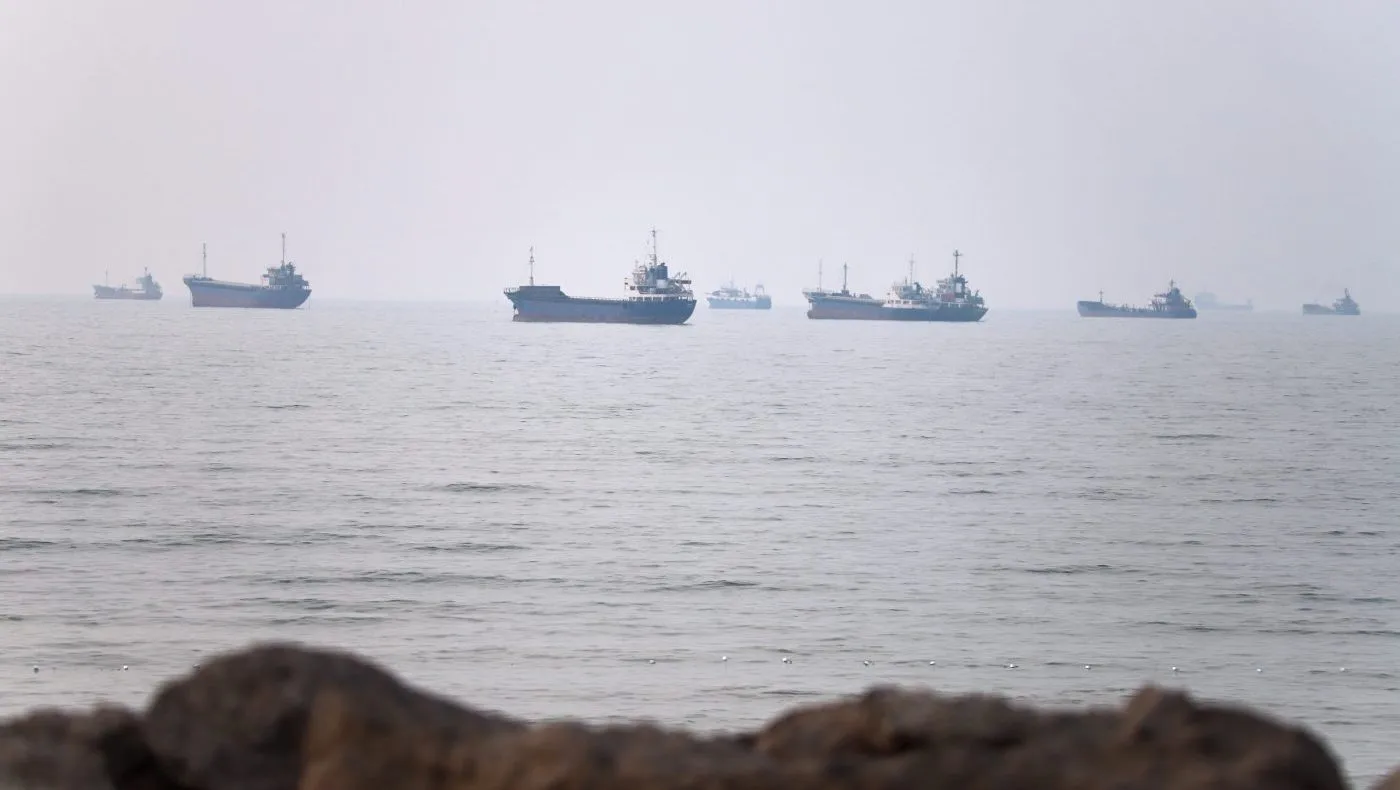
Provpnadvice.com – On Wednesday, American military units initiated a fresh wave of attacks targeting Iranian positions, marking a significant escalation in tensions within the Persian Gulf region. This renewed offensive comes mere hours after President Donald Trump signaled his intention to launch a substantial military operation against Tehran. The primary objective of these strikes is to severely diminish Iran’s capacity to interfere with maritime commerce and disrupt vital shipping lanes in the region.
According to an official statement released by U.S. Central Command shortly after 4 p.m. Eastern Daylight Time, the operations were conducted under direct orders from the Commander in Chief. The command, which maintains oversight of all American military forces stationed throughout the Middle East, emphasized that these additional strikes aim to further degrade Iran’s ability to threaten freedom of navigation through the strategically critical Strait of Hormuz.
“The United States is holding Iran accountable for recent unjustified aggression against commercial shipping and civilian crews freely navigating a vital international waterway,” Central Command stated in its official communication.
Trump’s Warning and Diplomatic Shift
President Trump had already foreshadowed the military response during the NATO summit held earlier on Wednesday. Speaking to gathered reporters, the president offered a clear warning about the impending action. He explained that while he would provide a brief advance notice, American forces would deliver a powerful blow to Iranian targets that very evening.
“I’ll give them a little warning: We’re going to hit them hard tonight, but we’ll see how it all works out,” Trump told the press corps, noting his dissatisfaction with Iran’s current leadership.
In addition to announcing the military strikes, Trump also suggested that the United States might reinstate a naval blockade against Iran. This particular blockade had been suspended in mid-June following the signing of a memorandum of understanding between Washington and Tehran, which was intended to bring an end to the ongoing conflict. However, the president indicated that this diplomatic arrangement may no longer be viable.
“I don’t want to deal with them anymore. They’re scum,” Trump declared, expressing his frustration with Iranian negotiators and suggesting that continued diplomacy with Tehran would be a waste of time.
Scope of Military Operations
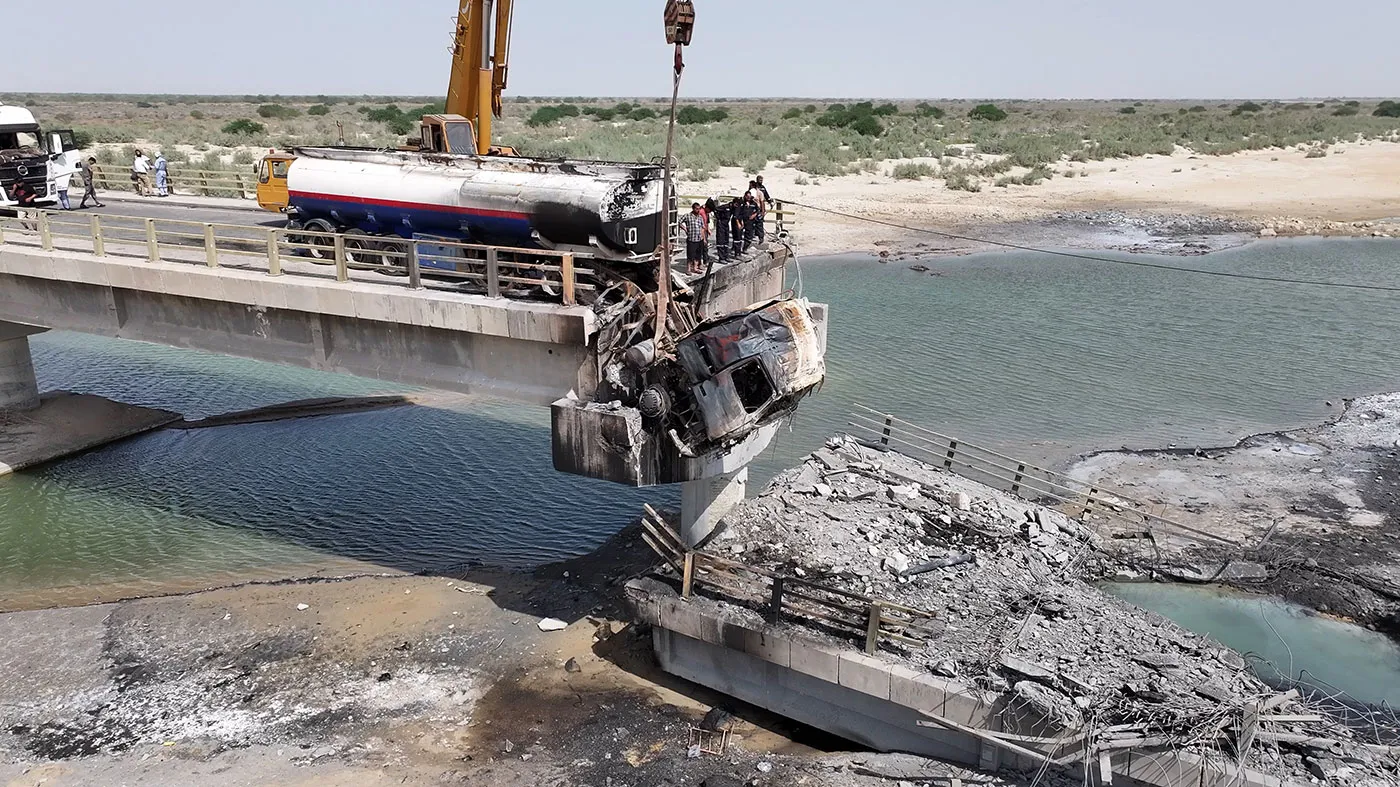
The latest round of American attacks follows a substantial barrage that was launched against Iran on Tuesday evening. That initial response was designed as retaliation for Tehran’s targeting of three commercial vessels that had been transiting through the Strait of Hormuz in recent days. According to Central Command, the Tuesday operation lasted approximately four hours and involved the destruction of more than eighty separate targets.
These targets encompassed a wide range of Iranian military infrastructure, including air defense systems, command and control networks, coastal radar installations, and anti-ship missile capabilities. Additionally, American forces destroyed over sixty small boats belonging to the Islamic Revolutionary Guard Corps that were positioned both inside and near the strait. The Strait of Hormuz represents a crucial chokepoint through which approximately twenty percent of the world’s oil and natural gas supplies flow, making its security a matter of global economic importance.
Iranian Response and Casualty Assessment
Iran responded swiftly to the American attacks, launching drones and missiles against Bahrain and Kuwait during the overnight hours of Tuesday. Both nations host significant American military assets and troop deployments, making them logical targets for Iranian retaliation. Despite the intensity of the Iranian response, a U.S. military official speaking on condition of anonymity reported to The Hill that no American service members sustained injuries. The official noted that incoming missiles and drones were either successfully intercepted or failed to cause major damage to American positions.
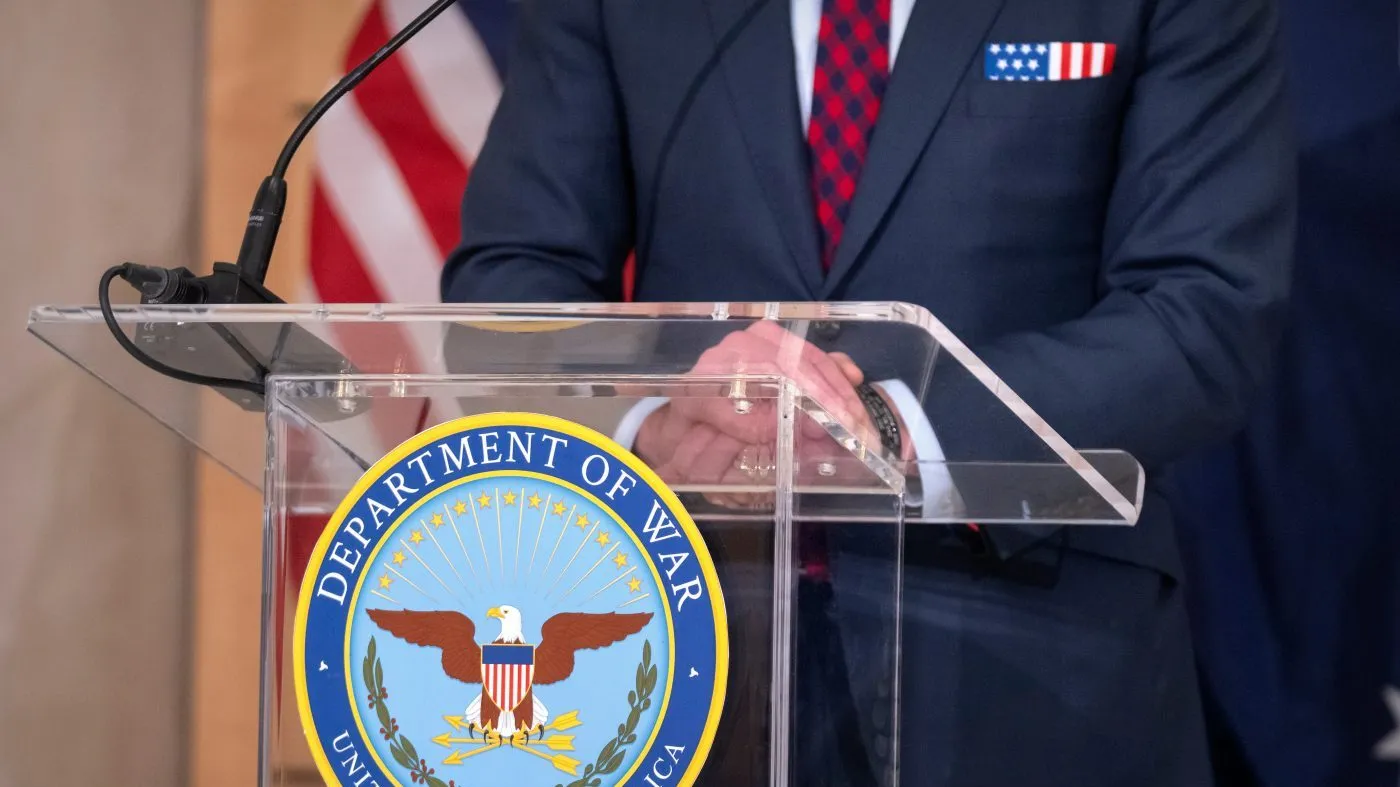
Meanwhile, Defense Secretary Pete Hegseth provided additional context regarding the potential for further escalation. He stated that the Pentagon would be prepared to strike Iran “even more and even deeper” if President Trump authorizes such an expansion of military operations. This statement suggests that the current strikes may represent only the beginning of a broader American military campaign against Iranian targets if the situation continues to deteriorate.
The rapid succession of events—from the initial commercial vessel attacks to the American military response, Iranian retaliation, and now the renewed American offensive—demonstrates the volatile nature of the current crisis in the Persian Gulf. With Trump expressing clear dissatisfaction with the existing diplomatic framework and signaling his willingness to pursue more aggressive military action, the region faces the possibility of continued and potentially intensified hostilities in the coming days and weeks.