Iran strikes on US diplomatic facilities in 4 Gulf countries cost $184M: IG report

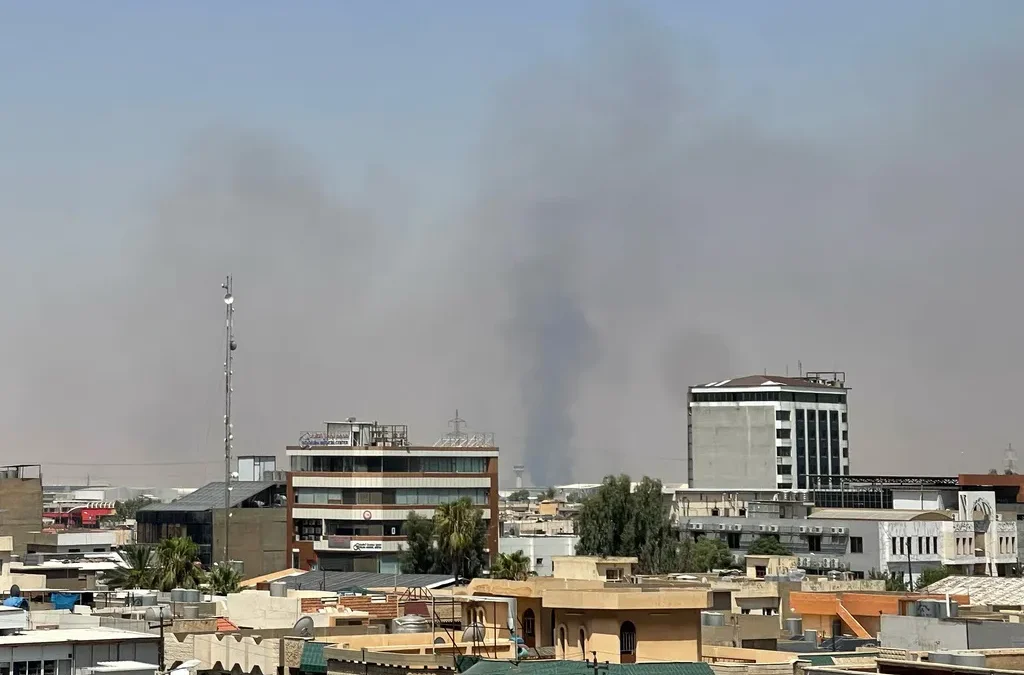
Table of Contents
Iranian Attacks Cause $184M in U.S. Diplomatic Damage
Provpnadvice.com – Iran strikes on US diplomatic facilities caused an estimated $184 million in damage across Iraq, Kuwait, Saudi Arabia and the United Arab Emirates, according to a Pentagon inspector general review. The findings show that the conflict’s costs have extended beyond military bases and combat operations.
The 44-page report, released Monday, is the watchdog’s first broad assessment of damage since the United States and Israel began the war in late February. It details major repair needs at facilities supporting U.S. diplomatic, intelligence and military activity in the Gulf region.
Iraq accounts for most diplomatic repair costs
Iraq sustained by far the largest share of the reported damage, with repair costs exceeding $157 million. U.S. diplomatic facilities in Kuwait recorded more than $14 million in damage, while Saudi Arabia reported $11.5 million. The U.S. diplomatic post in the United Arab Emirates had an estimated $125,000 in damage.
The U.S. mission in Iraq faced more than 600 Iranian attacks. That volume illustrates the sustained pressure placed on American facilities and personnel during the conflict, including locations not ordinarily viewed as front-line military targets.
Iran strikes on US diplomatic facilities have therefore added a significant infrastructure burden to broader U.S. war spending. Restoring damaged buildings, communications systems and operational support sites may take additional time and funding beyond the initial repair estimates.
War spending does not include all restoration expenses
Iranian forces have struck U.S. bases throughout the Gulf since Operation Epic Fury began on Feb. 28. The attacks have also affected diplomatic and intelligence sites, creating costs outside the Pentagon’s primary operational estimate.
From Feb. 28 through June 29, the Pentagon estimated that the war had cost $33.4 billion. That figure did not include infrastructure restoration. In July, Defense Secretary Pete Hegseth told senators that the estimate had risen to $37.5 billion, although some experts argued the total was likely too low.
The State Department had recorded $113 million in war-related costs by June 2 and warned that its spending could increase as property-damage assessments continued. Operational costs can include deployments, munitions and logistics, while rebuilding facilities can create a separate and longer-term expense.
Casualties and regional deployments continue
The conflict has lasted more than six months. Eighteen U.S. service members have been killed, and roughly 800 have been wounded.
About 50,000 American troops remain deployed in the region. The Trump administration has not outlined a clear strategy for ending the conflict, which has become deeply unpopular.
Facilities used for diplomacy, intelligence gathering, air operations and naval logistics remain important to the continuing U.S. presence. Even limited physical damage can disrupt routine operations, communications and support for deployed personnel.
Disputes over aircraft damage
Senior administration officials have at times minimized the effect of Iranian one-way attack drones and missiles on U.S. aircraft, bases and other equipment in the U.S. Central Command theater.
President Trump rejected reports that Iranian strikes on Muwaffaq Salti Air Base in Jordan had damaged several U.S. aircraft. He was asked about an A-10 Thunderbolt that lost a wing and eight F-15s that sustained light damage.
“None whatsoever. No damage. No nothing,” the president said.
However, the Pentagon watchdog’s review lists more than 50 U.S. aircraft damaged or destroyed since the war began. The total includes four F-15Es, seven KC-135 refueling aircraft, four AH-6 helicopters and at least 30 MQ-9 Reaper drones.
The losses highlight the range of equipment exposed during the conflict. Refueling tankers support long-distance air operations, Reaper drones are used for surveillance and strike missions, and fighter aircraft provide combat and air-defense capabilities.
Bahrain base faces recovery questions
Naval Support Activity Bahrain has also become a focus of the damage and recovery debate. The installation is home to U.S. Naval Forces Central Command and the U.S. Fifth Fleet, and it serves as the Navy’s principal logistics hub in the Middle East.
Acting U.S. Navy Secretary Hung Cao described the destruction at the installation in stark terms during an interview.
“They blew the hell out of Bahrain,” Cao said.
The Navy is weighing options for the base, including whether repairs should proceed. The decision has broader implications because the installation supports naval activity across a strategically important region with major shipping routes.
FAQ: What the report means for U.S. diplomatic facilities
What did the inspector general report find? The review estimated $184 million in damage to U.S. diplomatic facilities in four Gulf countries, with Iraq accounting for more than $157 million of the total.
Are these costs included in the Pentagon’s war estimate? No. The Pentagon’s reported operational cost estimate did not include infrastructure restoration, meaning repair expenses may add to the overall financial impact.
Which facilities were affected? The report covered diplomatic facilities in Iraq, Kuwait, Saudi Arabia and the United Arab Emirates. It also documented wider damage to U.S. aircraft and installations across the region.
Why does diplomatic-site damage matter? These facilities support U.S. diplomatic work, intelligence operations and regional military logistics. Damage can affect daily operations even when the sites are not primarily military installations.