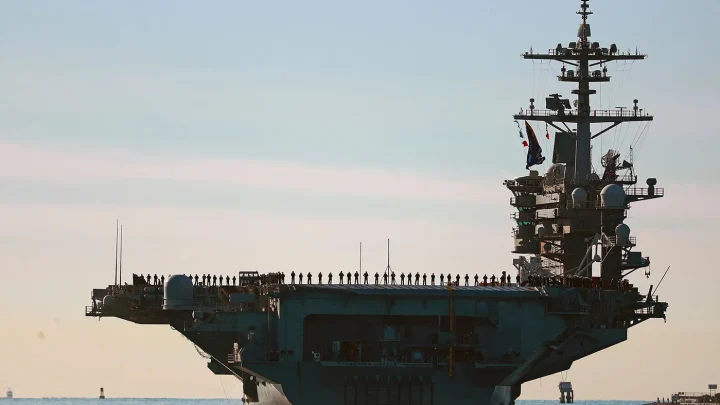
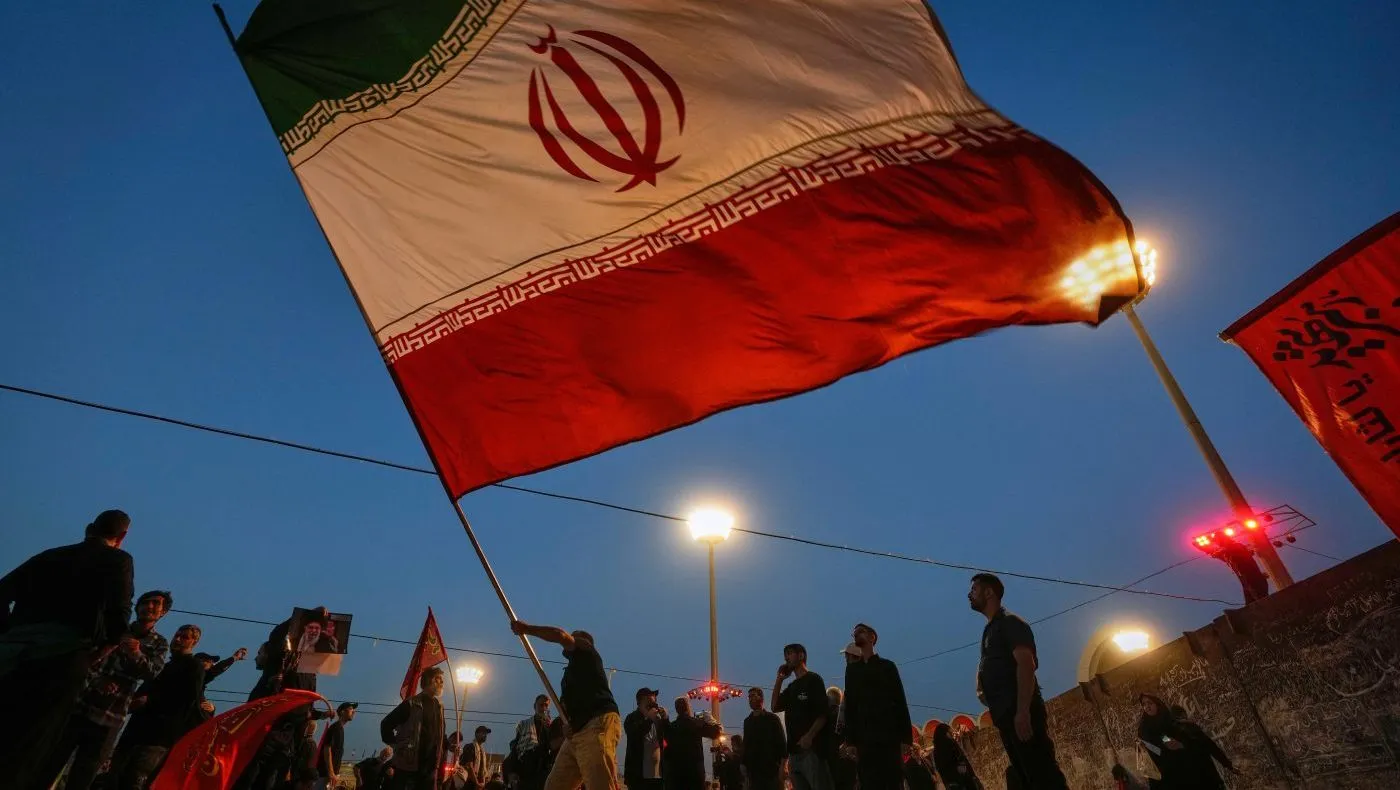
US military lifts Strait of Hormuz naval blockade after Iran MOU signed

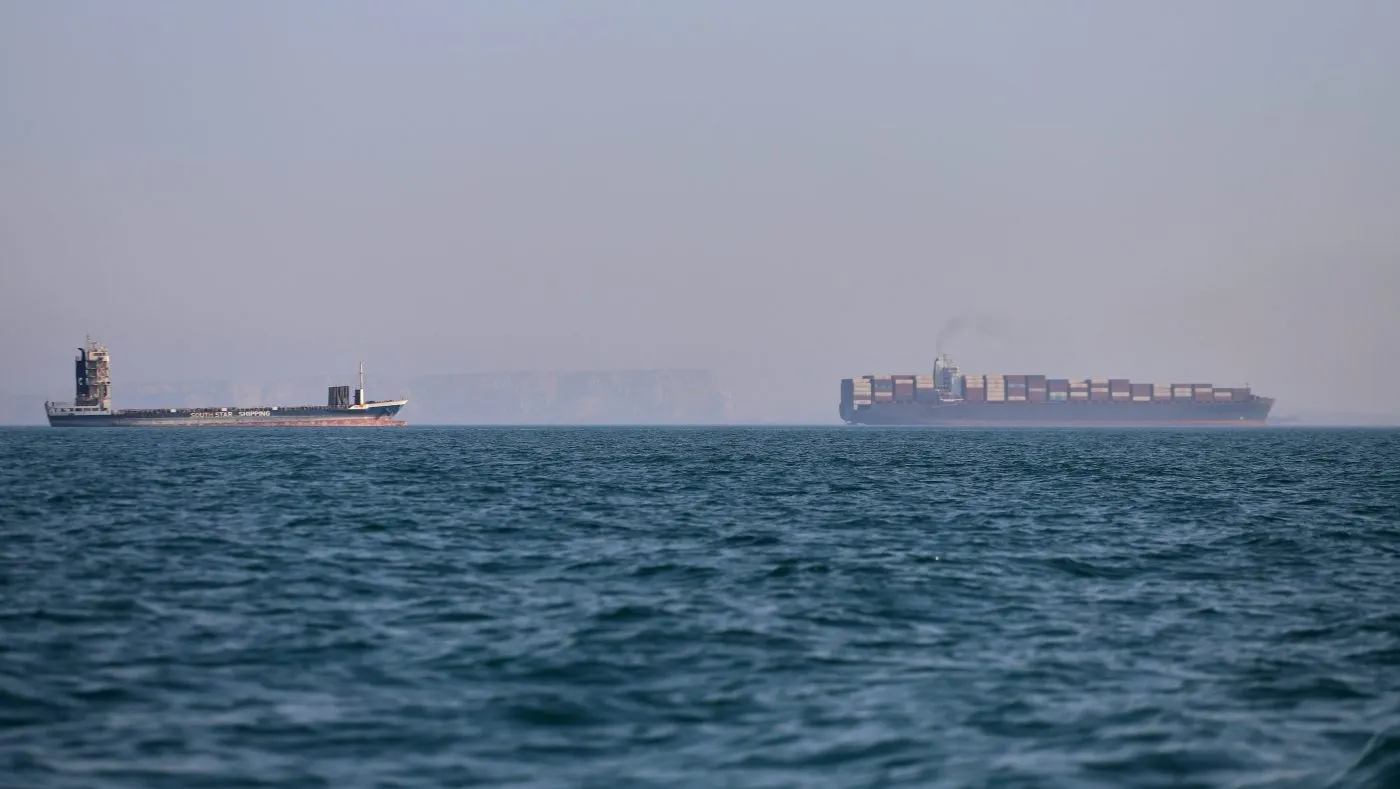
Strait of Hormuz Freed from Blockade Following U.S.-Iran Agreement
Provpnadvice.com – The U.S. military has officially ended its naval blockade in the strategic Strait of Hormuz, marking a significant shift in the region’s dynamics. This decision came after the United States, Iran, and intermediary nations reached a Memorandum of Understanding (MOU) aimed at resolving tensions and stabilizing maritime operations. The agreement, signed by President Donald Trump in France on Wednesday, has allowed commercial vessels to navigate the critical waterway without interference, according to the U.S. Central Command (Centcom).
End of Blockade Confirmed by Centcom
Centcom announced the conclusion of the blockade in a Thursday social media update, confirming that American forces had ceased all actions to restrict maritime movement near Iranian ports and coastal areas. The blockade, which had been in effect since mid-April, was initially imposed to limit Iran’s ability to export oil and exert pressure on its leadership. However, with the MOU in place, the U.S. has signaled a willingness to ease restrictions and restore normalcy to the region’s shipping lanes.
“American forces are no longer blocking the passage of vessels to or from Iranian ports in the Arabian Gulf and Gulf of Oman,” stated Centcom in its release. “All military efforts to enforce the blockade have been suspended.” The statement underscores the agreement’s goal of reducing conflict and ensuring the free flow of maritime traffic.
Despite the blockade’s termination, U.S. naval assets remain stationed in the area to monitor compliance with the MOU and safeguard its provisions. The presence of these forces is intended to deter any potential breaches of the agreement and maintain security in the strait. The MOU’s success will depend on sustained cooperation and the enforcement of its terms, which include measures to de-escalate hostilities and prevent further disruptions to global energy supply.
Strait of Hormuz: A Vital Energy Corridor
The Strait of Hormuz, a narrow waterway connecting the Arabian Gulf to the Gulf of Oman, serves as a lifeline for global oil transportation. Approximately 20% of the world’s oil supply passes through this passage, making it a focal point of geopolitical tensions. During the height of the conflict between the U.S., Iran, and Israel, Iran effectively disrupted the strait, leading to sharp increases in oil and gas prices worldwide. This move was part of a broader strategy to assert control over the region’s energy resources and challenge U.S. influence.
The U.S. response to Iran’s actions included a series of military strikes targeting Iranian facilities and the imposition of a naval blockade. On April 13, the administration escalated its efforts by establishing a blockade to cut off Iran’s oil exports, aiming to apply economic pressure on the regime. The operation involved redirecting 142 commercial ships that adhered to U.S. warnings and disabling nine vessels that failed to comply, as reported by Centcom’s social media updates.
The economic impact of the blockade was substantial, with Iran estimated to have lost around $4.8 billion in oil revenue. This figure, highlighted by The Hill in early May, reflects the cost of the U.S. military actions on Iran’s economy and its ability to sustain its energy-dependent infrastructure. The blockade’s termination now brings the potential for renewed economic activity, though challenges remain in fully restoring the strait’s operations.
Remaining Challenges and Mine Threats
While the U.S. has lifted the blockade, the path to full normalization of maritime traffic in the Strait of Hormuz is not yet clear. Experts have noted that Iran has deployed mines in the waterway, which could delay the return to routine shipping. These mines, difficult to detect and highly effective in creating uncertainty, pose a lingering threat to commercial vessels and may deter some shipping companies from using the strait.
“Mines are an unknown factor; they’re hard to find and create a sense of fear that other weapons don’t,” explained Steven Wills, a naval analyst at the Navy League’s Center for Maritime Strategy. “They can emerge unexpectedly if placed strategically, and it will take time to clear them and regain confidence among ship operators.” Wills’ comments highlight the complexity of ensuring safe passage, even with the agreement in place.
Analysts suggest that the process of removing these mines could take weeks or months, requiring specialized equipment and coordination between U.S. and Iranian forces. The presence of mines adds a layer of risk to the strait, which has historically been a target for sabotage and strategic disruption. Until these hazards are addressed, some companies may opt for alternative routes, potentially affecting global oil markets and supply chains.
The MOU represents a pivotal moment in the U.S.-Iran standoff, but its long-term effectiveness will depend on mutual adherence to its terms. The agreement not only lifts the immediate blockade but also sets the stage for broader diplomatic engagement. However, the lingering threat of mines and the residual tensions from the conflict indicate that the situation remains fragile. The U.S. aims to ensure that the strait becomes a neutral zone, allowing for the uninterrupted movement of goods and resources.
As the region stabilizes, the focus shifts to monitoring the implementation of the MOU and assessing its impact on international relations. The U.S. military’s continued presence in the area underscores its commitment to maintaining security and supporting the agreement’s objectives. Meanwhile, Iran’s actions during the blockade demonstrate its strategic leverage in the region, with the ability to disrupt global markets through localized disruptions.
The resolution of the blockade marks a step toward de-escalation, but it also highlights the delicate balance of power in the Middle East. The agreement between the U.S., Iran, and intermediaries provides a framework for cooperation, yet the ongoing challenges of mine clearance and trust-building suggest that the path to full normalization will require sustained efforts. The Strait of Hormuz, once a battleground for economic and military influence, now stands as a symbol of the potential for diplomatic progress in a volatile region.