Newsom says he won’t run for president in 2028 if Harris does

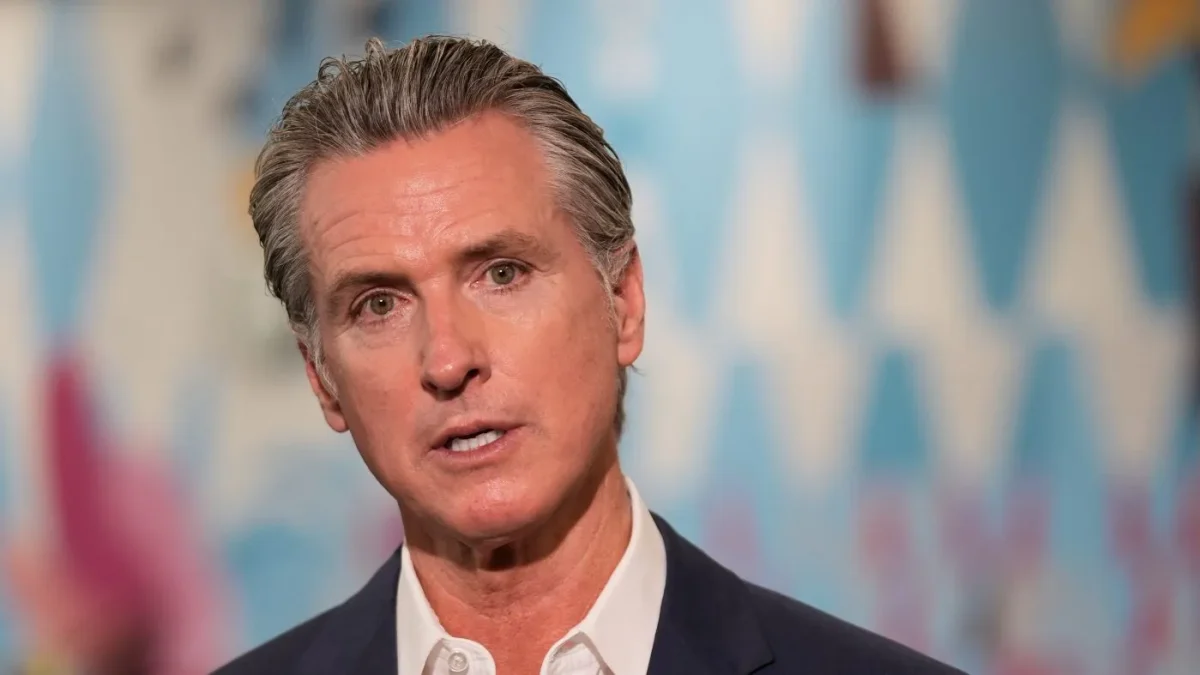
Table of Contents
Newsom Signals He Would Step Aside if Harris Enters 2028 Presidential Race
Provpnadvice.com – California Gov. Gavin Newsom said he would not seek the Democratic presidential nomination in 2028 if former Vice President Kamala Harris decides to make another run for the White House, arguing that the two Californians would compete for much of the same support.
Newsom made the comments during a Monday interview with CNN’s Jake Tapper while fly fishing in Montana. The governor, who has frequently been mentioned as a possible future presidential contender, portrayed a contest between himself and Harris as politically counterproductive for both candidates and their party.
“First of all, electorally, it’s a gift from God for everybody else. They’d enjoy the hell out of it,” Newsom said. “Mutual assured destruction. It services no greater good.”
The remarks represent Newsom’s first public indication that Harris’s decision could shape his own plans for 2028. Both figures have deep political roots in California, and both have developed national profiles that place them in discussions about the Democratic Party’s next generation of presidential candidates.
Overlapping political coalitions
When Tapper suggested that Harris had already won two national campaigns and lost one, while Newsom has not previously run for president, Newsom focused on the practical challenge of dividing support in a Democratic primary.
He said their campaigns would likely depend on many of the same donors, allies, activists and voters. In his view, a primary fight between the two would not simply create a competitive contest; it could weaken each candidate by splitting a similar political coalition.
“I know her base of supporters. I know her friends,” Newsom said. “The [Venn] diagram on that is just pure crossover.”
That assessment reflects the close overlap in their political worlds. Harris served as California’s attorney general and later represented the state in the Senate before becoming vice president. Newsom has served as governor since 2019 after holding statewide office as lieutenant governor and serving as mayor of San Francisco. Their careers have unfolded within the same large Democratic state, even as they have built separate national followings.
For primary voters, a crowded field can create opportunities for candidates who assemble distinct regional or ideological coalitions. Newsom’s comments suggest he sees little advantage in having two prominent Californians seek the same nomination at the same time, particularly if they appeal to many of the same constituencies.
Early attention on 2028
The next presidential primary remains years away, but the discussion has already begun around possible Democratic contenders. Newsom is weighing whether to enter the race, while Harris is also considering her political future after serving as vice president and mounting a previous presidential campaign.
Potential candidates from both major parties are expected to clarify their intentions after the November midterm elections. Those contests will help shape the political environment heading into the next presidential cycle, offering clues about voter concerns, party strength and the appeal of national figures who may seek higher office.
Newsom has recently traveled to early-voting and politically significant states including South Carolina and Michigan. Such visits often draw attention when made by high-profile officials with national ambitions, though they can also serve broader party-building and campaign purposes. Harris has traveled around the country on a book tour and has also spoken about midterm races.
The prospect of a Democratic field including more than one candidate from California raises another strategic question. Rep. Ro Khanna, a California Democrat, has also been mentioned as a possible presidential hopeful. A field with Newsom, Harris and Khanna would place considerable attention on one state at the outset of a national contest.
California’s advantage and challenge
California offers presidential candidates an enormous base of donors, political talent and media attention. It is also reliably Democratic in presidential elections, which can create a different challenge for candidates trying to persuade independents and Republicans dissatisfied with their own party.
A nominee from a competitive state can sometimes point to a record of winning over a broader cross-section of voters. Candidates from California must instead explain how their experience in a heavily Democratic state translates to a national electorate that includes more politically divided regions.
That does not make a California candidacy impossible, but it could become a central part of the debate in a crowded primary. Democratic voters may weigh governing records, campaign experience, regional appeal and the ability to compete in closely contested states. The party’s eventual nominee will also need to build a coalition broad enough to succeed beyond the Democratic strongholds of the West Coast and Northeast.
Newsom’s comments do not settle whether either he or Harris will run. They do, however, establish a notable condition around his own potential candidacy. By saying he would stay out if Harris enters the contest, Newsom has placed party unity and electoral calculation at the center of an early conversation about 2028.
For now, both California Democrats remain figures to watch as the midterms approach. Their decisions, along with those of other potential contenders, will determine whether the next Democratic presidential primary becomes a contest shaped by generational change, familiar national names or an effort to avoid dividing overlapping blocs of support.
Related Reading
Frequently Asked Questions
What is Newsom says he won t run?
Newsom says he won t run is the main topic of this guide. The article explains the context, practical details, and next steps readers should understand.
Why does Newsom says he won t run matter?
Newsom says he won t run matters because readers are looking for a useful answer, not just a short summary. Good content should match search intent and help them decide what to do next.