Supreme Court rules blue states sued too early over Trump’s mail voting order

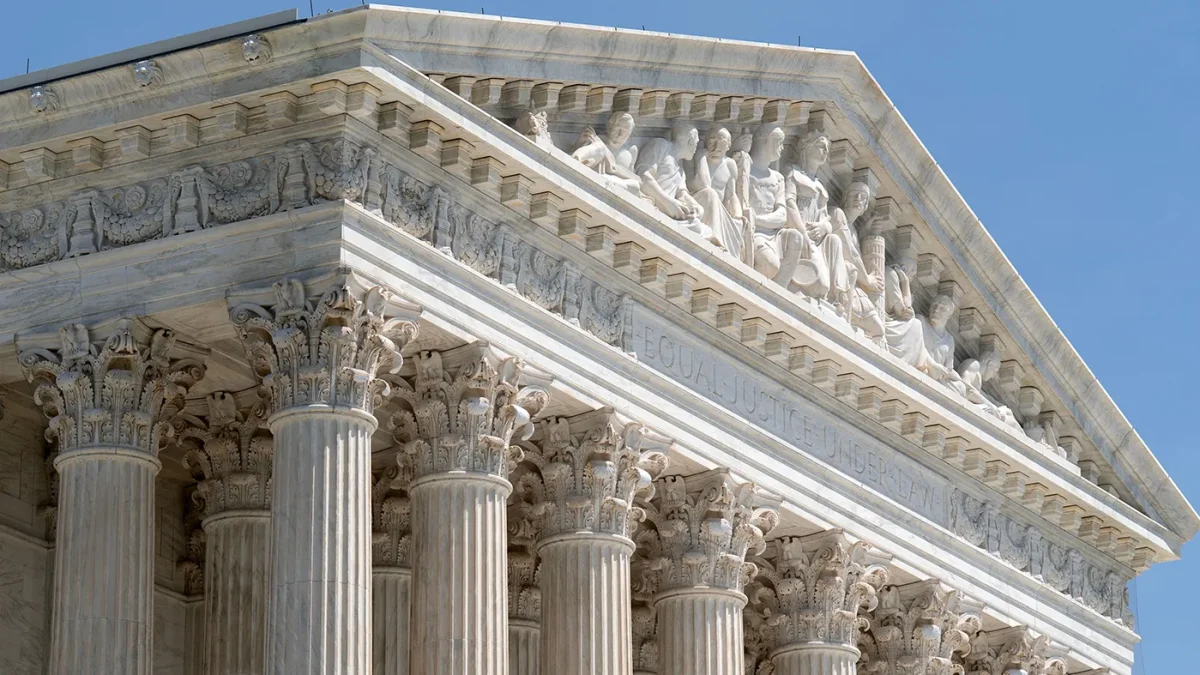
Table of Contents
Supreme Court Clears Path for Trump’s Mail Ballot Restrictions Ahead of Midterms
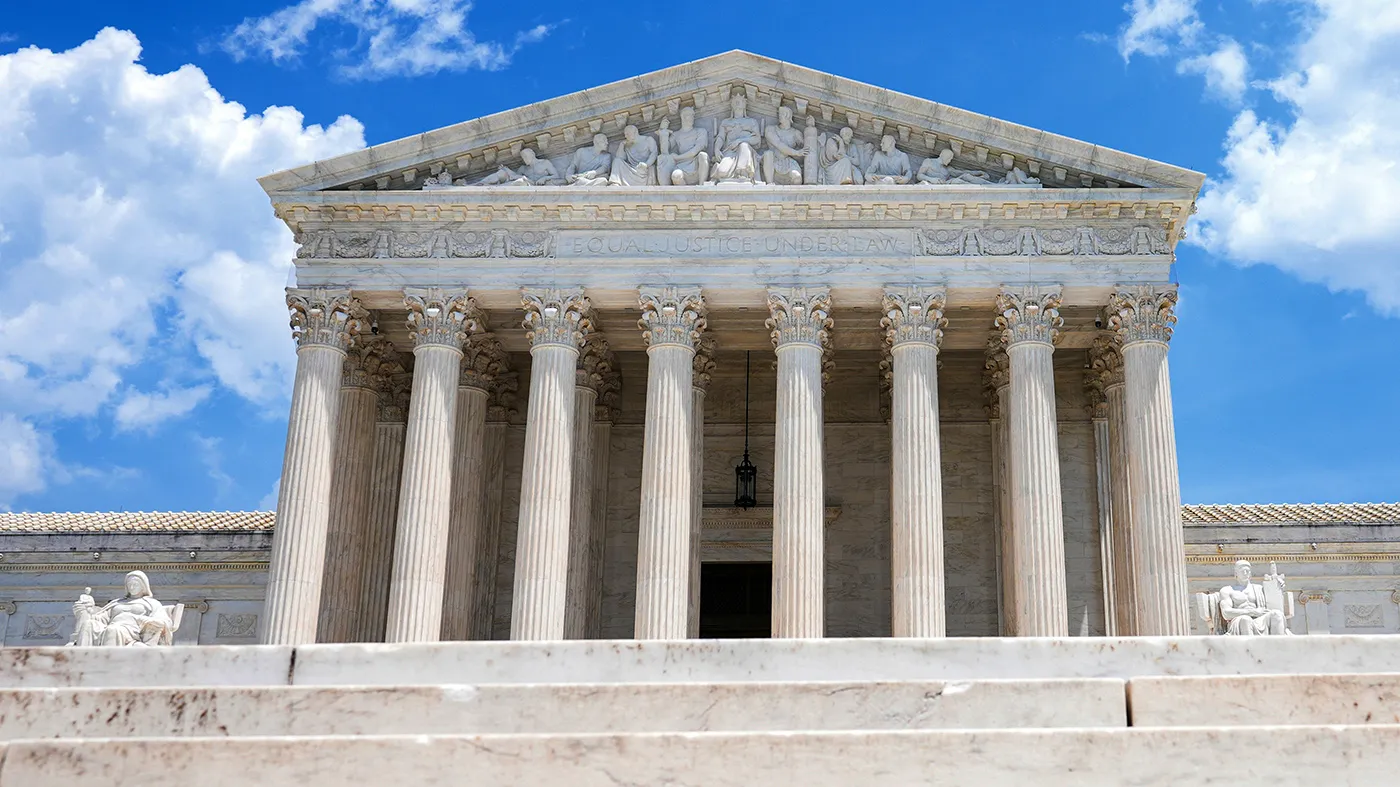
Provpnadvice.com – The U.S. Supreme Court on Monday struck down a lower-court injunction that had frozen President Trump’s executive order imposing new requirements on mail-in ballots, effectively removing the last major legal obstacle between the administration and its plan to reshape how Americans cast votes by post in November’s midterm elections. The decision, handed down without oral argument on the court’s emergency docket, split the justices along familiar ideological lines, with the three liberal members of the bench filing pointed dissents.
The Core Legal Question: Timing of Judicial Review
At the heart of the ruling was a procedural question that has long divided courts: when exactly may a federal judge step in to block an executive action? The majority concluded that District Judge Indira Talwani, an Obama-era appointee, had reached too far by enjoining the president’s directive before the U.S. Postal Service had actually issued a final regulation implementing the new ballot standards.
“Federal courts review final rules, not proposed rules—and certainly not antecedent internal directives to propose a rule. If the Postal Service’s final rule harms the States, they may challenge that rule,” the court wrote.
In practical terms, the majority held that an executive order instructing an agency to draft regulations is not itself a final agency action subject to judicial review. States must wait until the agency completes the rulemaking process before they can mount a full constitutional or statutory challenge. That waiting period, however, is now considerably shorter than the states had hoped, because the Postal Service announced its final regulation just days before the Supreme Court’s ruling.
Liberal Dissents: A Warning About Election Interference
The three liberal justices pushed back forcefully. Justice Sonia Sotomayor, joined by Justice Elena Kagan, argued that the majority’s narrow procedural ruling should not be read as a green light for the administration’s broader ambitions.
“Today’s decision does not address whether the President’s attempts to interfere with States’ administration of the November 2026 elections are lawful,” Sotomayor wrote. “Nor does it suggest that the Executive Branch has any constitutional or statutory authority to implement the President’s directives. Instead, today’s decision merely postpones adjudication of those challenges.”
Justice Ketanji Brown Jackson, the court’s most junior liberal member, went further in a separate dissent, accusing her colleagues of a “lack of situational awareness” and of injecting chaos into an already tense election cycle.
“Rather than swallow the Government’s gamesmanship whole, the Court should have given this empty, strategic, and bad-faith stay bid the swift rejection it deserves,” Jackson wrote.
What the Executive Order Actually Requires
Trump signed the executive order in March, directing two principal actions: first, that his administration compile a list of verified citizens eligible to vote; and second, that the Postal Service adopt new standards governing the handling and delivery of mail ballots. The order is the latest chapter in a years-long campaign by the president to cast doubt on mail voting, which he has repeatedly characterized as a vector for mass election fraud. State election officials and courts have documented isolated instances of ballot irregularities and noncitizen voting, but none at the sweeping scale the president has described.
The order sits within a broader pattern of executive actions aimed at tightening federal oversight of elections, a domain that has traditionally been administered by state and local authorities under the Constitution’s Elections Clause. Critics argue that the president’s interventions blur the line between federal administrative authority and state sovereignty over ballot administration.
The States’ Case and What Happens Next
California, Massachusetts, Nevada, and Washington co-led the lawsuit, which ultimately drew in 23 states plus the District of Columbia. The coalition argued before the Supreme Court that forcing them to wait for a final rule before suing “would not be sensible,” given the compressed timeline before November’s contests and the difficulty of convincing courts to issue last-minute injunctions once ballots are already in circulation.
The case now returns to the lower courts. Judge Talwani has already set an expedited schedule to evaluate the legality of the Postal Service’s newly announced final regulation. Separately, Talwani had also enjoined the executive order in response to a lawsuit brought by private groups; unlike the states’ challenge, that injunction applied nationwide rather than only to the suing states.
Solicitor General D. John Sauer, representing the administration before the Supreme Court, framed the stay request as a matter of basic administrative-law hygiene.
“The issuance of a final rule underscores the need for relief from the district court’s improper, unripe injunction,” Sauer wrote.
Political Reactions and Election-Integrity Stakes
Washington Attorney General Nick Brown (D) issued a statement characterizing the ruling as a procedural delay rather than a substantive endorsement of the president’s authority.
“A majority of the U.S. Supreme Court does not seem to recognize the grave threat the president’s actions pose for our democracy. There is nothing hypothetical about his intent to illegally suppress legitimate votes,” Brown said. “Fortunately, today’s decision does not bless the substance of the president’s actions, it simply says states must wait slightly longer to challenge them. We stand ready to take action to protect the integrity of our elections and prevent this clearly unconstitutional overreach from taking effect. States control elections, not the president.”
The ruling marks yet another victory for the administration on the Supreme Court’s emergency docket, where justices resolve time-sensitive disputes on compressed timelines, typically without the benefit of oral argument. For voters in the 23 states and the District of Columbia, the practical consequence is that the Postal Service’s new mail-ballot standards may take effect before courts have fully adjudicated their constitutionality. Whether that window proves short enough to matter will depend on how quickly the lower courts move on the expedited schedule Talwani has already set.
Related Reading
Frequently Asked Questions
What is Supreme Court rules blue states sued?
Supreme Court rules blue states sued is the main topic of this guide. The article explains the context, practical details, and next steps readers should understand.
Why does Supreme Court rules blue states sued matter?
Supreme Court rules blue states sued matters because readers are looking for a useful answer, not just a short summary. Good content should match search intent and help them decide what to do next.